
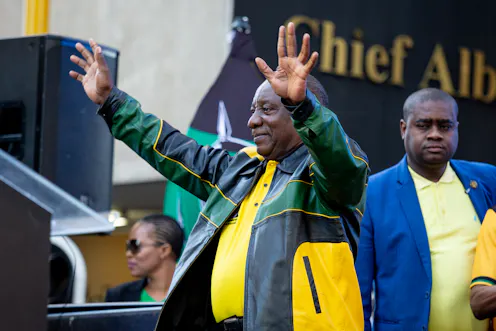
Secrecy over who funds political parties should trigger fears that government decisions will reflect the wishes of large donors.
- Professor of Political Studies, University of Johannesburg
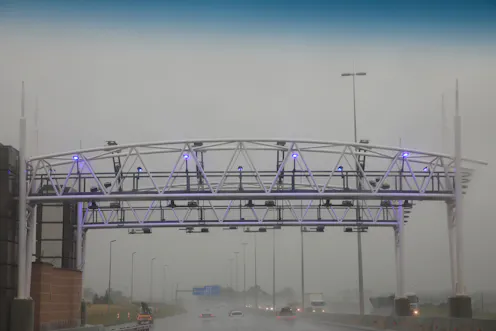
Politicians oppose toll roads on Johannesburg’s highways, yet they are textbook example of progressive taxation that favours the poor.
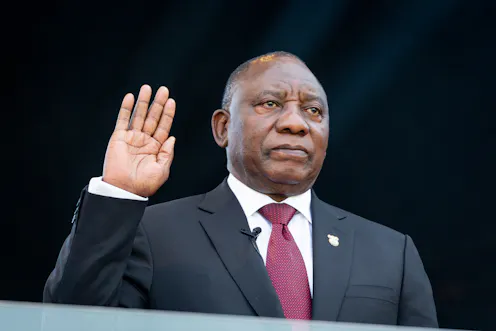
Politics is being reduced to personalities in South Africa. The real issue is whether the damage that’s been done can be undone.
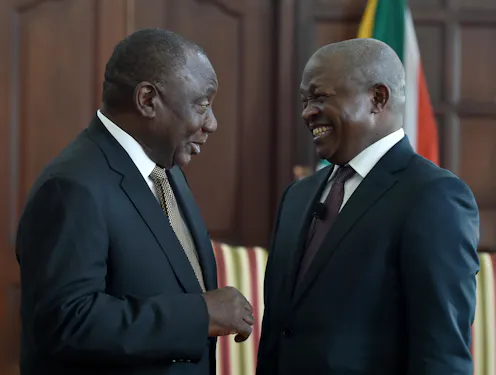
The Cabinet signals to the Zuma faction that the Ramaphosa group believes their star is waning and that they are not strong enough to turn the tide.
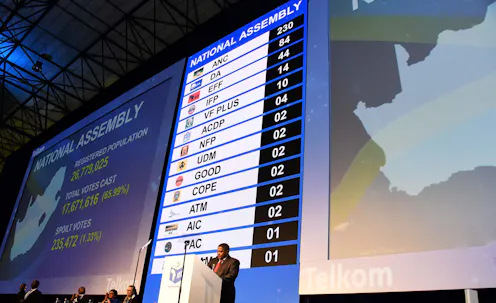
The recent election has shown again that the extremism which worries democrats in much of the world has little traction in South Africa.
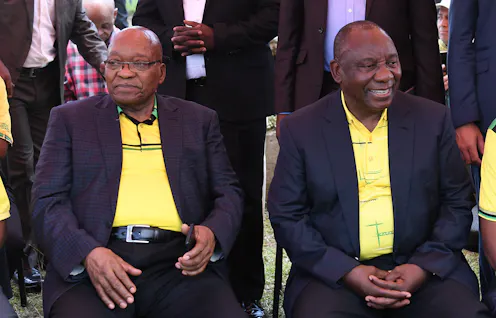
The election will not change the government, but may change the balance of power between the two factions of the governing ANC, led by Cyril Ramaphosa and Jacob Zuma.
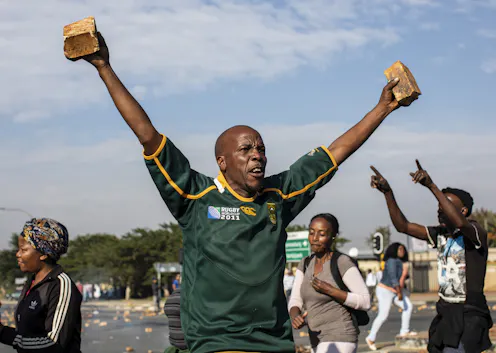
To claim that protests are being organised suggests sinister motives. But all protest is organised. So are cake sales and shopping expeditions.
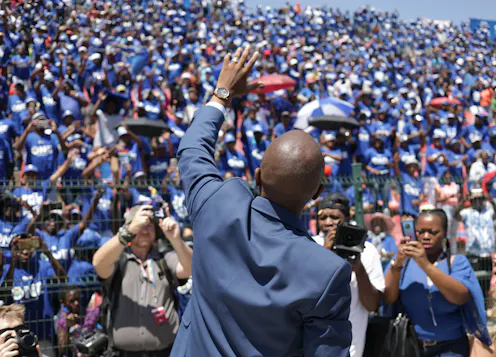
There is a huge divide between what is important right now and what the election is likely to be about.
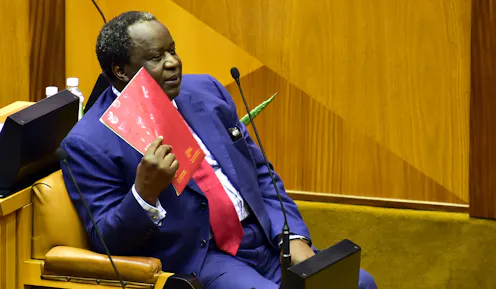
South Africa’s latest budget was a necessary stop-gap after the ravages of the past decade. But it didn’t have ideas that addressed the needs of poor people.
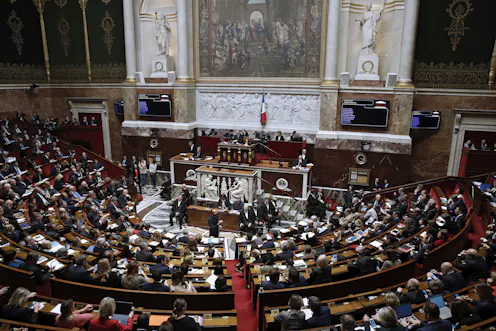
The argument isn’t whether African democracies are better than those in the West. It’s simply that the idea of “real” and “not yet real” democracies expresses a colonial mentality, not reality.
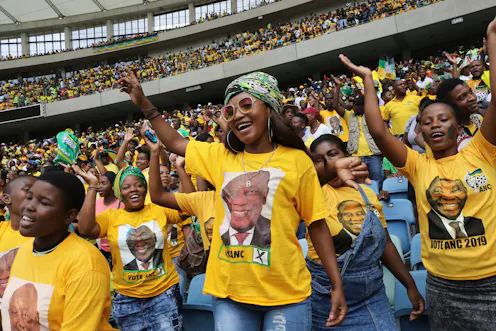
A great deal of analysis on South Africa and the ruling ANC seems to be based on wishful thinking, not concrete reality.
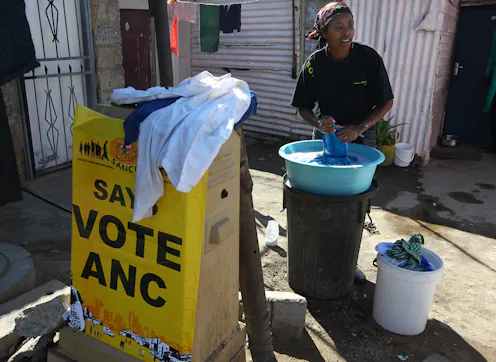
The ANC, alienated from intellectuals and the middle class and having lost most of its talented youth leadership, is clearly on a downward path.
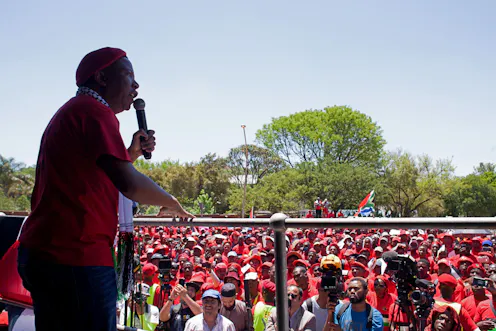
The Economic Freedom Fighters’ strategy of painting President Ramaphosa and his allies as corrupt is unlikely to succeed.
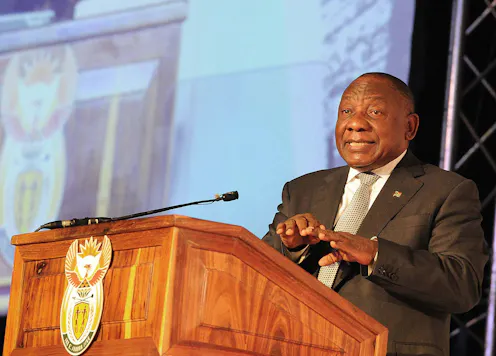
Ramaphosa’s stimulus package is more interesting for what it says about the politics of economic decision making than for its likely impact on the economy.
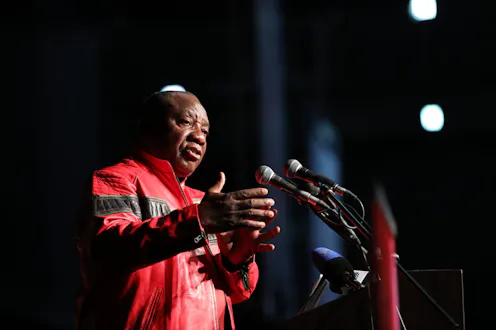
Electoral support by trade union federation Cosatu has been a huge asset for South Africa’s governing ANC.
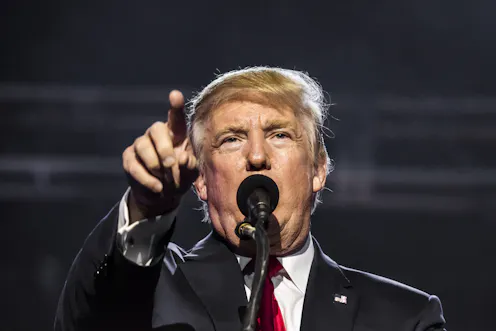
The US president’s comments about South Africa’s land reform stem from his view that whites are under attack from blacks.
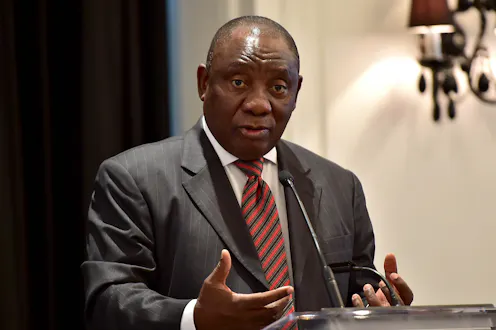
Clarifying when and how the South African constitution allows for expropriation of land without compensation will strengthen property rights.

Debates around South Africa’s health market inquiry must remember that not all proposals for regulating private economic activity are an attack on the market.
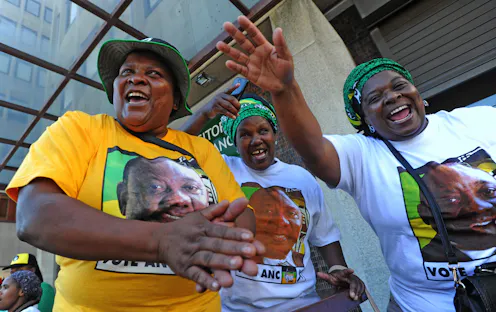
The problem with South Africa’s governing ANC, is that to many of its members, politics is not about public service but about resources.
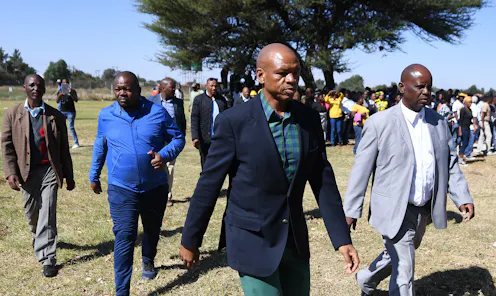
The chaos visiting South Africa’s North-West province shows that ordinary people in rural areas have got a raw deal from ruling party.
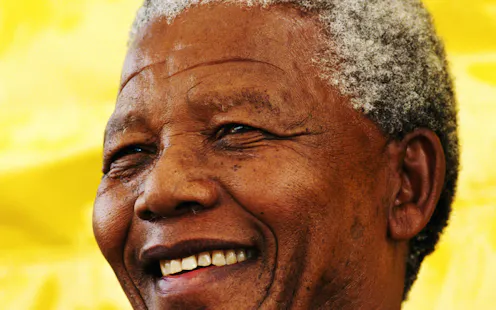
Mandela’s reconciliation message may have partly reflected his view of the world. But it was also a product of his party, the ANC.

The Mark Lamberti case shows that South African business suffers from deeply rooted racial prejudices.
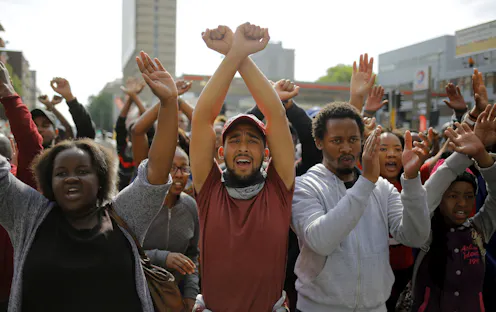
Land expropriation without compensation in South Africa will be resolved by opening up the economy and addressing inequalities.
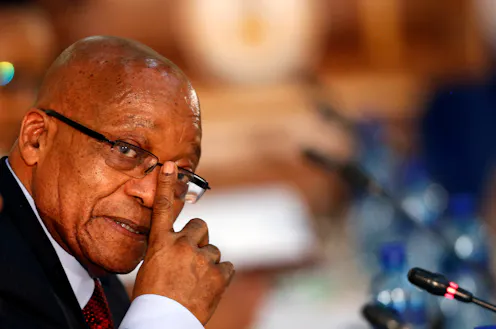
The politicians who removed Zuma are likely to be running the government for the next five years. Current events were their first test and offered a hint of how the country may be governed.
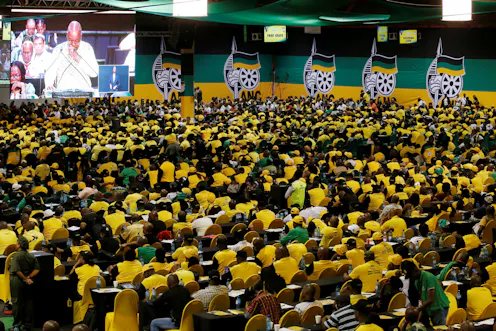
A closer look at the resolution of South Africa’s ruling party, the ANC, show that it won’t undertake a radical economic transformation agenda as suggested by media reports.
Contact Steven for
- General
- Media request
- Speaking request
- Consulting / Advising
- Research collaboration
- Research supervision
- Location: Johannesburg, South Africa
- Website
- Article Feed
- Joined
