
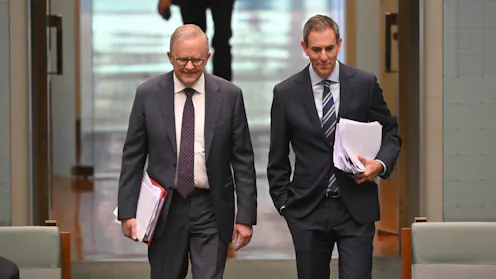
Governments in rich nations tend to spend more on health. Do we really want them to spend less?
- Professor of Economics, University of Canberra
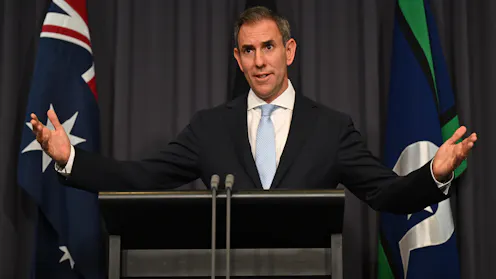
The report counts on a lot of factors turning out for the best: AI boosting economic growth and global warming meeting the Paris goals for a start.
The growth figures for June beat expectations – helped in part by record EV sales. But on a per-person basis, the economy is not doing so well.
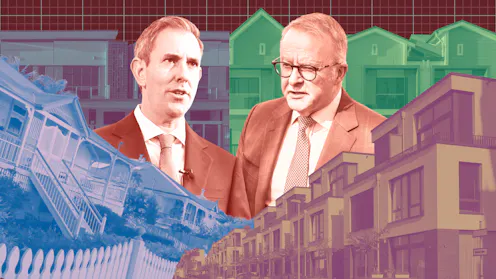
Budget 2026 contains important changes to capital gains tax, negative gearing and trusts. While the reforms are significant, the timing is cautious.
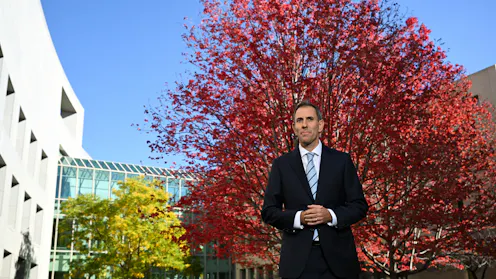
The government is under pressure to spend more on cost-of-living help. Getting the balance wrong could trigger further interest rates hikes.

Both private-sector and government spending contributed to the fastest GDP growth since 2022. Yet it’s still well below the growth Australians saw in the past.
Government spending – federal, state and local – grew by less than consumer spending and business investment last year.
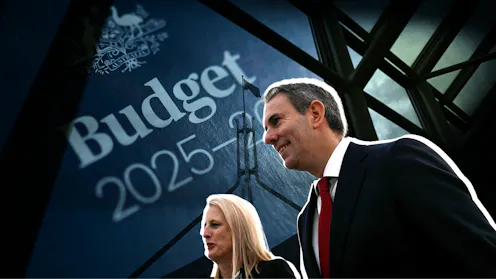
The drivers of the improvement are largely outside the government’s control. Meanwhile, total debt is projected to exceed $1 trillion for the first time by mid-2027.
Inflation remains stuck above the Reserve Bank’s target band, as hopes for a rate cut fade.
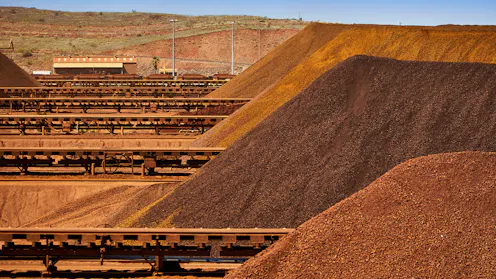
While simply scrapping the 2018 deal might not be feasible, moving to an altogether new system could be a way forward.
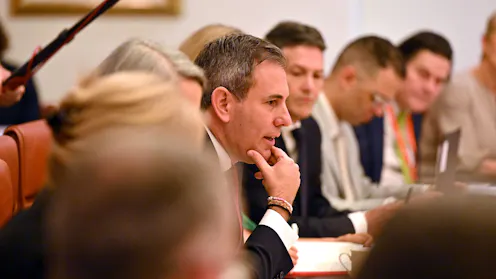
The summit brought agreement on broad principles for tax reform. The objections will come when it gets down to details.
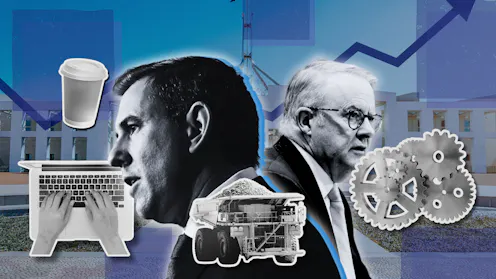
Boosting living standards by fixing the structural problems in the economy has been prioritised by the government. There is no shortage of advice where to start.
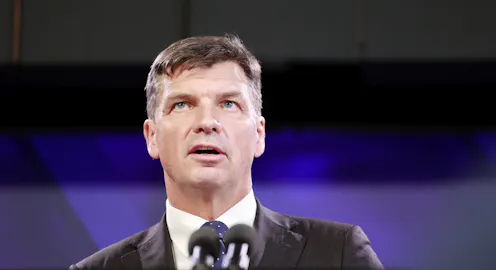
Most of the proposed savings seem achievable – except for the cuts to the public service.
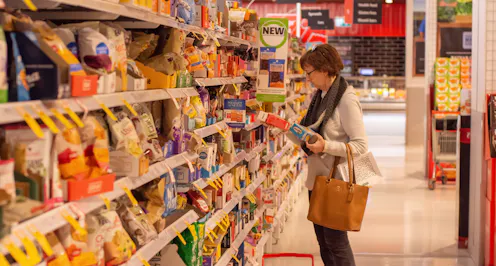
With the key measures of inflation back within the Reserve Bank’s target band, expectations are growing for a second rate cut in May.
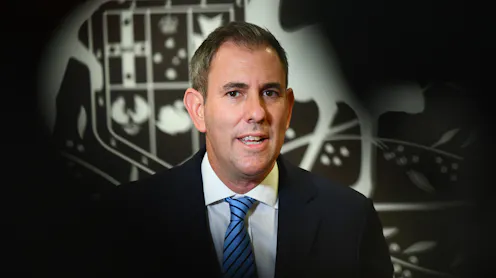
Labor has released details of how much its election spending promises will cost, putting pressure on the Coalition to do the same.

Even when parties release their costings, voters may not get the full picture. Parties may omit particular items that might attract criticism.

Here’s what you need to know about the big spends in Labor’s last budget before the election.

The Budget Paper 2 book, which contains new measures, is a slim document.
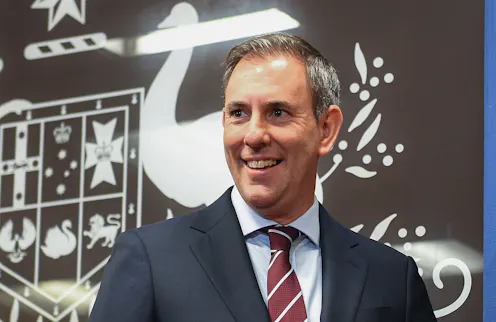
In the Albanese government’s last federal budget before the election, new spending promises are likely to be limited.
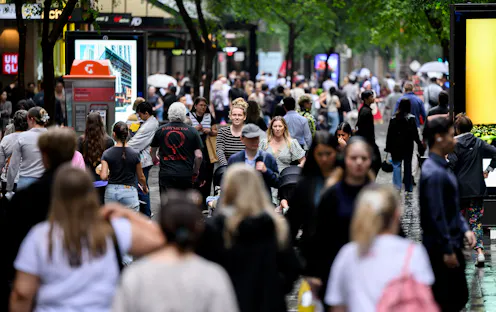
Household and government spending contributed to the strongest growth in two years, data on Wednesday showed.

After two successive surpluses, the federal budget will be back in deficit for 2024-25, according to the much anticipated budget update.

Growth is painfully slow, according to data released on Wednesday. But this could well be seen by next year as the point when Australia started to move into positive territory.
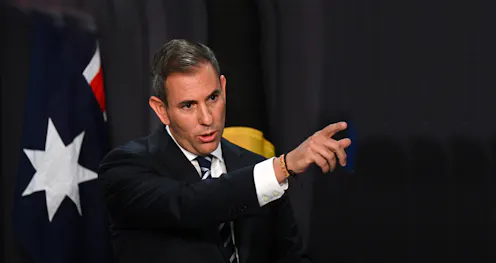
The economy hasn’t been this weak outside of a recession since the 1980s. GDP per capita has fallen for six consecutive quarters – the longest period in records going back to the 1970s.
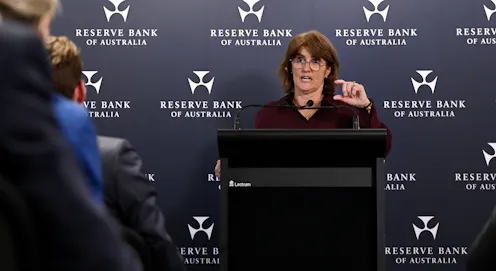
The Reserve Bank will keep rates high until it sees clear evidence inflation is heading back toward its target band. It’s really that simple.
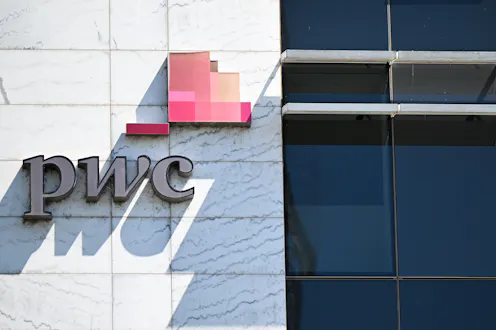
The hooks of the consulting industry are deeply embedded in public service departments.
Contact Stephen for
- General
- Media request
- Speaking request
- Consulting / Advising
- Research collaboration
- Research supervision
- Location: Canberra, Australia
- Website
- Article Feed
- ORCID
- Joined
