
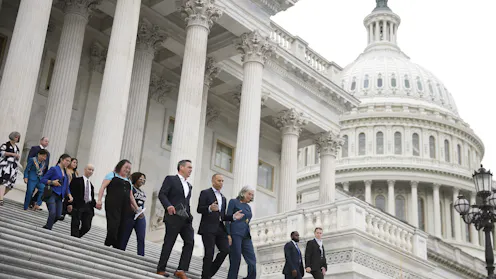
As the battle for health care plays out in Washington, the shutdown itself could also make it harder for Americans to get the care they need.
- Associate Professor of Public Health, The Ohio State University

The biggest changes will be to the Medicaid program, which currently covers more than 78 million people. And Congress may cut health care spending further.

All told, more than 16 million Americans could become uninsured, reversing major progress seen since the Affordable Care Act’s passage in 2010.
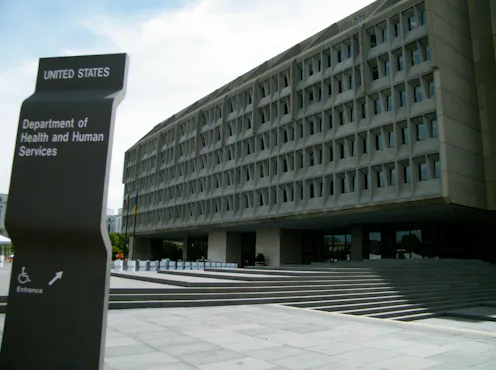
Health Secretary Robert F. Kennedy Jr.’s new vision for US health policy prioritizes deregulation and leaves Americans with fewer benefits, services and protections.

About 4% of dogs and 12% of cats remain unvaccinated against rabies, posing risks for society.

Insurers in many ways are the face of US health care, which may help explain the public reaction to the murder of an insurance executive.

People ages 65 and up will likely reap significant out-of-pocket savings on prescription drugs when the negotiated prices take effect. But other benefits could pay bigger dividends in the long run.

The drug pricing reform may drastically lower prices for some of the most critical life-saving drugs in the long run. But numerous obstacles stand in the way.
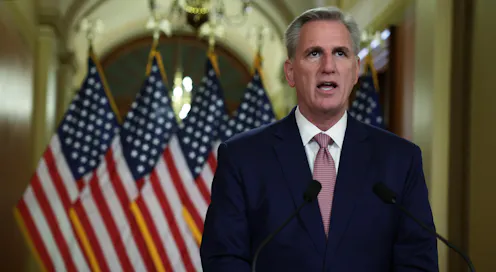
Adults insured by Medicaid who are 19 to 55 years old and don’t have children or other dependents would need to spend 80 hours a month doing paid work, job training or community service.

A new law will let Medicare bargain for the first time. But a health policy scholar explains why it’s unlikely to make much of a difference in how much seniors – or anyone else – pays for their meds.

A health policy researcher explains how doctors determine their pay rates, and the system that lets them do it.
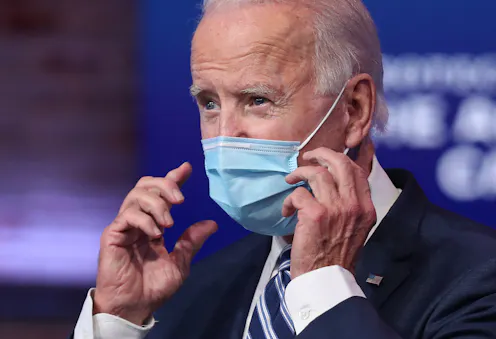
From expanding children’s coverage to reducing surprise bills, Biden and lawmakers may be able to broaden health care access.
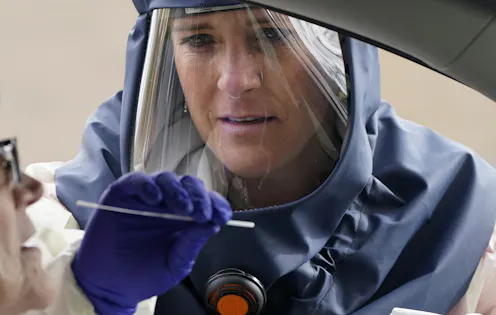
Health policy and politics scholars expect political fallout from the federal response to the pandemic will play out for years, with trust in government taking a big hit.

La constitucionalidad de la ley de Cuidados de Salud Asequible, u Obamacare, está siendo desafiada en la Corte Suprema por el gobierno del presidente Donald Trump.
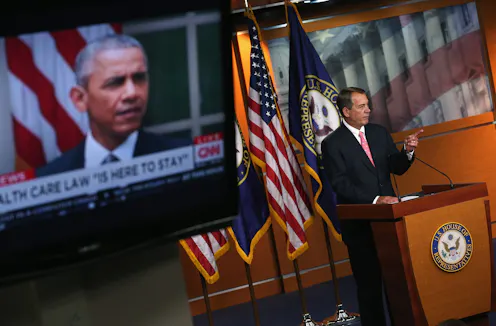
Democrats are outraged at what they say is the hypocrisy of allowing a president to appoint a new Supreme Court justice near the end of his term. One of their biggest practical concerns is the ACA.
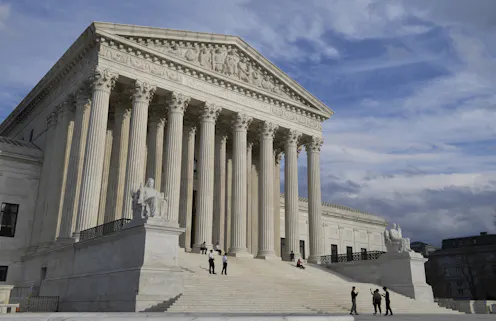
The Supreme Court will again consider the fate of the Affordable Care Act next month. But Trump’s record and a reading of his health executive order make it unlikely that he can offer a meaningful alternative to the ACA.

The Affordable Care Act has a date with the U.S. Supreme Court on Nov. 10. In the wake of Justice Ginsburg’s death, the health care law hangs in the balance of a court with a four-four split.

Studies repeatedly have shown that health care in general and the high cost of drugs in particular are among the top concerns of US voters. But with coronavirus, the issue may fade from prominence.

Help is out there for those many who have lost health insurance because of the pandemic. You can thank Obamacare.

Trump called coronavirus a hoax, and he dragged his feet in addressing it. But the US health care system was ill-equipped from the start to deal with such a crisis. The pandemic shows the flaws.

The Trump administration’s budget for healthcare proposes significant cuts to Medicare, Medicaid and the Affordable Care Act.
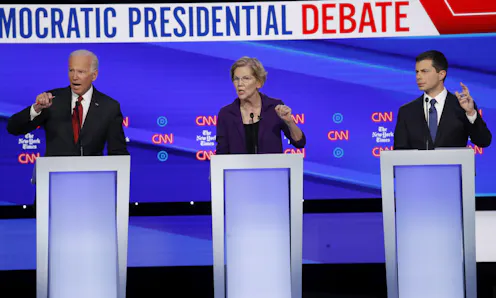
Among the issues candidates will debate Tuesday night is health care – an important, yet confusing, topic for viewers. An expert simplifies, explaining where and what the candidates stand for.

The US has been trying to reform its complicated health care system since 1993. In 2020, it continues to be one of the biggest and most complicated issues of the presidential campaign.
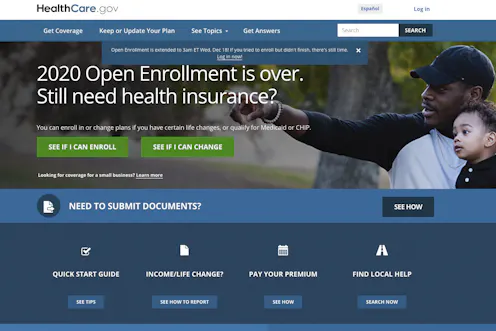
Obamacare has been under siege since its passage in 2010. A ruling by a three-judge panel on Dec. 18 further chopped at the law by saying a key provision is unconstitutional.

Americans who live in rural parts of the country have fewer doctors, specialists and hospitals than those who live in cities. It also appears that insurers are working against them.
Contact Simon for
- General
- Media request
- Speaking request
- Consulting / Advising
- Research collaboration
- Research supervision
- Location: Columbus, Ohio, U.S.
- Website
- BlueSky: @simonfhaeder.bsky.social
- LinkedIn: Simon Haeder
- X (formerly Twitter): @simonfhaeder
- Article Feed
- ORCID
- Joined
