

Dogs’ lives have monetary value, and several researchers recently measured it. Their method shows how research and funding decisions can be made. Just don’t tell Bowser he’s worth only $10,000.
- Associate Professor of Public Health, The Ohio State University
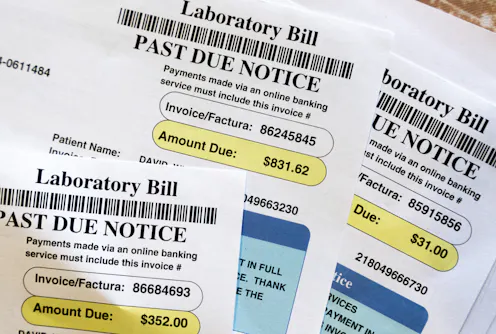
Just how big a problem are medical bankruptcies? For someone going through one, it’s devastating. And it happens far more often than you might think.

A trip to the emergency room can turn expensive fast if the providers are not in your network. That is happening more often, as some doctors choose to opt out of insurance plans. Here’s why.
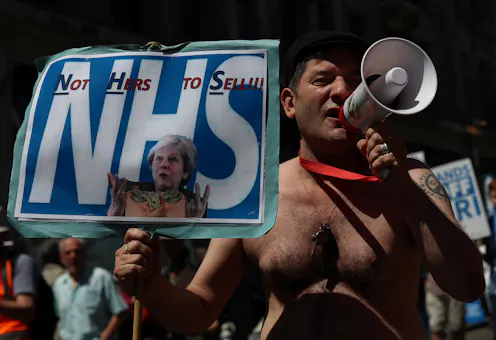
As candidates propose ways to provide health insurance for more people, it’s important to know that some proposals could have unexpected consequences, including potential closure of public hospitals.
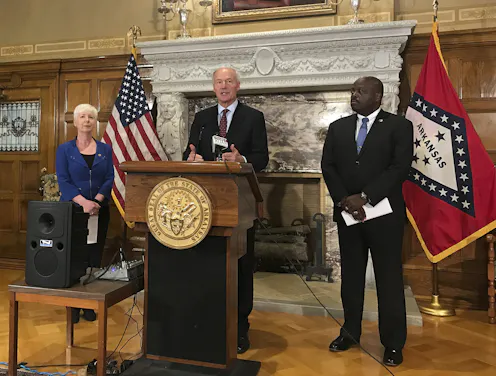
In the wake of a judge’s ruling that Medicaid work requirements in two states are not legal, questions remain. The most pressing ones are about how to help low-income people, not punish them.

Some are calling the FAA’s relationship with Boeing an open-and-shut case of ‘regulatory capture.’ The reality is more complicated.

As coal companies look for ways to cut costs, many are reneging on their promises for health care for retired miners. Unless Congress intervenes, these miners could face ill health and poverty.

The Trump administration’s proposal to lower drug prices focuses on discounts. A health policy scholar argues that the US could learn from Europe’s system of measuring drug value and effectiveness.

A judge in Texas ruled Dec. 14 that the Affordable Care Act is unconstitutional. His ruling has no immediate effect, however, except to signal more perils ahead for the health care law.
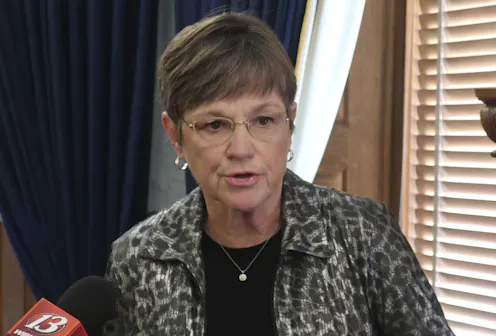
Republicans have sought to limit Medicaid, and a key component of those efforts is requiring that those who receive Medicaid benefits work. But many already do, and others can’t, a scholar explains.
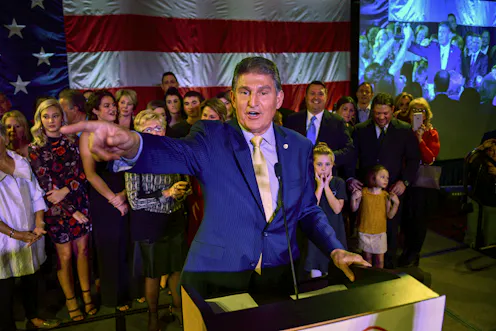
Voters listed health care as one of their biggest concerns in the midterm elections. Were their concerns addressed? The results are mixed.
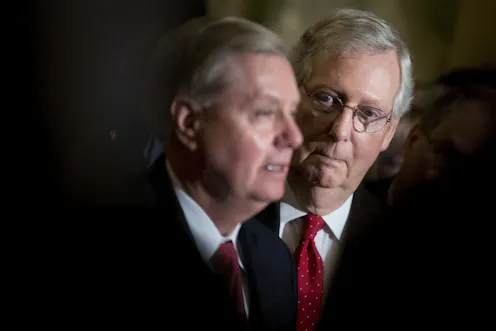
The Trump administration’s latest effort to undermine the Affordable Care Act is the expansion of short-term insurance plans. But these shorter plans are also short on real benefits.

A routine childbirth proves expensive and complicated. Insurance company adjustments, inconsistent billing and mystery costs flummoxed even a health policy expert and his wife, a teacher.
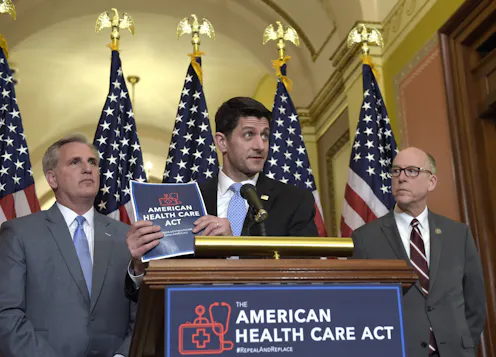
Efforts to undo Obamacare went far beyond grass-roots activities, with new research showing that contributions by businesses were significant. Does this signal a change in the political process?
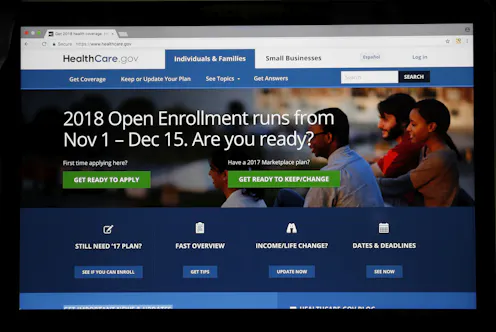
The Affordable Care Act has been under siege since it became law eight years ago. What impact will the latest lawsuit against it have?

Funding for a children’s health insurance program ran out at the end of last September. Despite the program’s clear benefits, plans to renew it have been caught in partisan bickering.
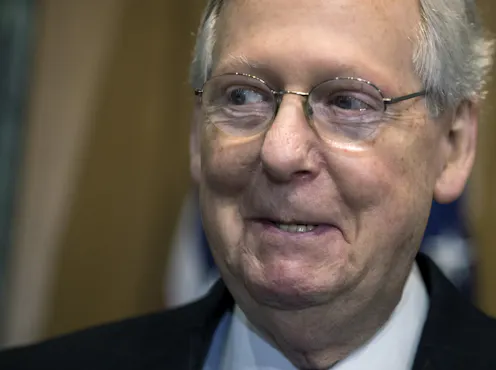
The Senate tax bill cuts taxes for many of the nation’s richest and cuts programs for social safety nets. Here’s how the Affordable Care Act, Medicare and Medicaid are all affected.
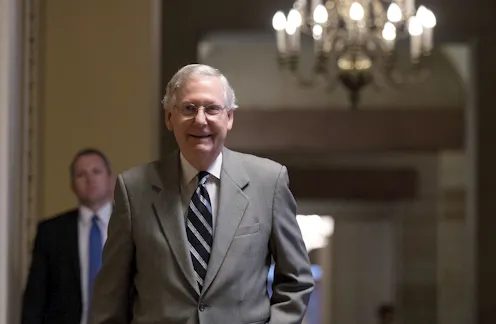
Many Western, industrialized nations provide health insurance. The US has repeatedly balked at universal coverage. So what kind of system are we left with? A very unpopular one.

Funding for the children’s health insurance program is in jeopardy if Congress does not act by September 30. Here’s a look at what’s at stake, and how Congress could act to secure funding for CHIP.
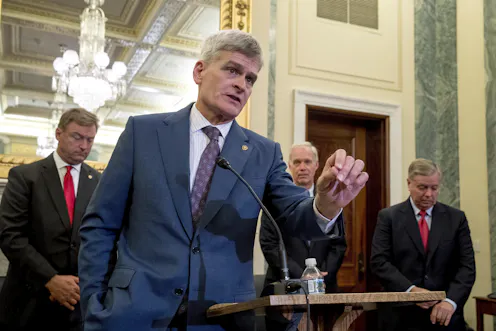
A Senate vote in July seemed to signal the end of efforts to kill the Affordable Care Act. With a Sept. 30 deadline looming, though, a new bill has real possibilities. Here’s why that could be bad.
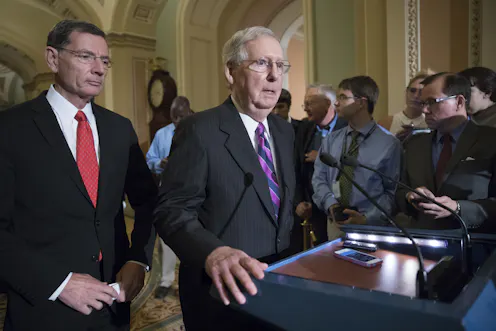
With Obamacare in peril and no health care plan in sight, it’s logical to ask whether states could design their own single-payer health insurance plans. Efforts in California show why it’s unlikely.
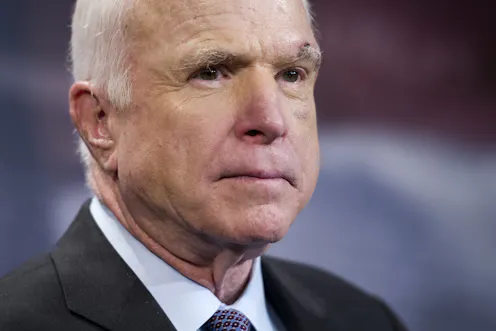
After the Senate nixed a repeal of Obamacare, Pres. Trump turned to Twitter, vowing to let the law die. But he’s actually doing much more. Here’s how he’s taking an active part in destroying the law.

West Virginia favored Trump by more than 2:1 in the 2016 election, but Trump’s policies would particularly hurt the state. Its residents depend heavily on Medicaid to treat opioid addiction.
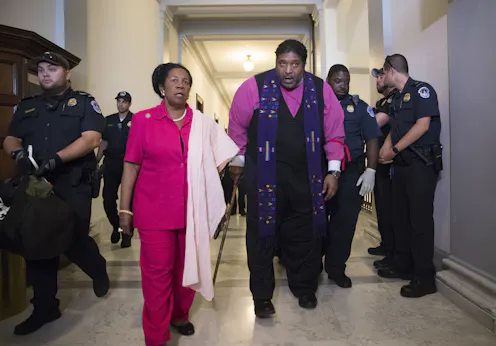
The latest Senate health care bill is still a hodgepodge of efforts to repeal Obamacare, critics say. One of their concerns is the focus on HSAs.
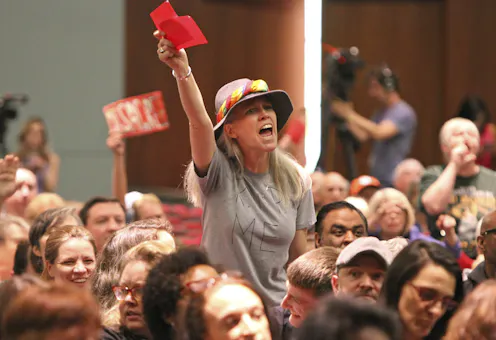
Almost nine million women gained insurance coverage from the Affordable Care Act. Here’s why women could be set back by Republican bills to undo the ACA.
Contact Simon for
- General
- Media request
- Speaking request
- Consulting / Advising
- Research collaboration
- Research supervision
- Location: Columbus, Ohio, U.S.
- Website
- BlueSky: @simonfhaeder.bsky.social
- LinkedIn: Simon Haeder
- X (formerly Twitter): @simonfhaeder
- Article Feed
- ORCID
-
- Joined
