
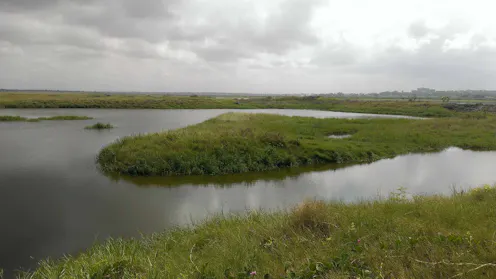
In Ghana, the degradation of wetlands is widespread and many are in poor condition.
- Teaching Assistant Professor, University of Pittsburg and Visiting Associate Professor, The University of Osaka, University of Pittsburgh
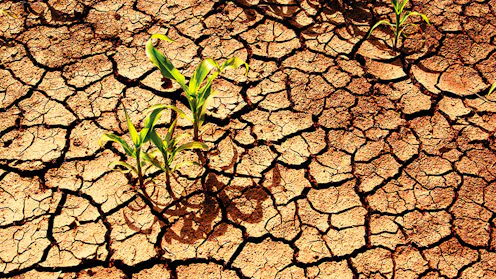
Drought adversely affects the mental health of Ghanaian farmers.
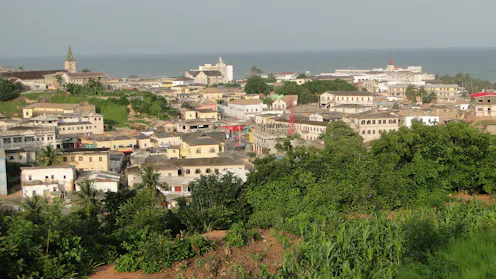
Many small towns in Ghana lack the infrastructure and planning capacity to cope with their growth.

Ghana’s cities pay little attention to the needs of walkers.
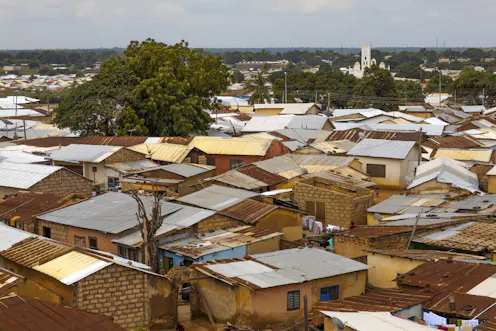
Development projects must be tailored to the context of the communities they are supposed to help.
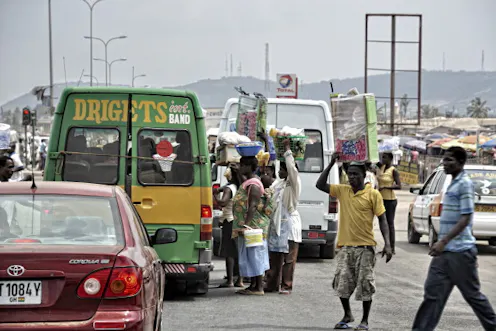
Walking is a common way of getting around in most African cities

COVID-19-related support only reduced the negative impact of the pandemic on financial capital, and not on the other forms of capital

Fire risk communication strategies must not only be supported by formal institutions such as government agencies but also be rooted in and sensitive to each market’s socio-cultural dynamics.
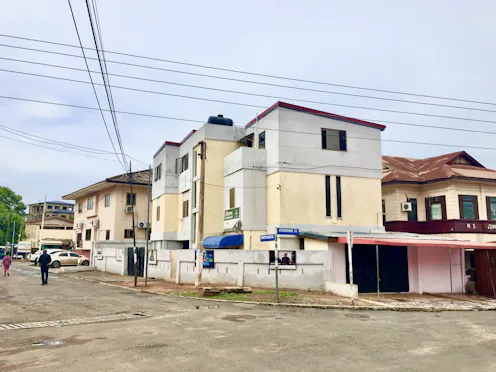
Ghanaians aren’t using the new ‘smart’ street address system which was intended to improve service delivery.

Ghanaian urban and development planners need to move away from looking up to examples of innovations from the global north.

African city planners need to promote inclusive cities where residents are not captive walkers but walk because it is accessible, safe and pleasurable to do so.
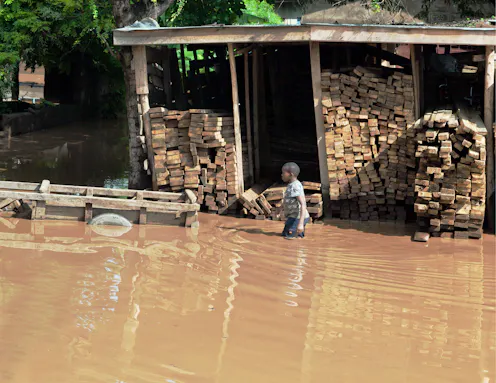
Communities prepare better for flood disasters when they have been actively involved in communicating information.

Urban adaptation to climate change is more effective where local citizens participate.

Research in Ghana shows that improving slum housing could be one of the alternatives to the capital’s housing crisis.

Policymakers in Africa approach rural and urban development separately. This needs to change.
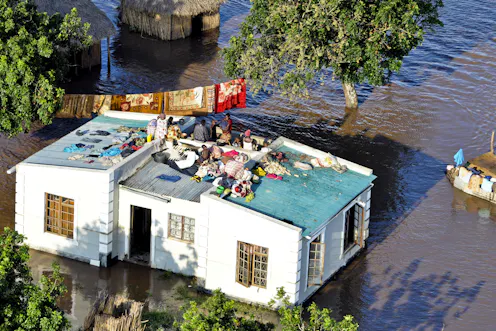
While disaster insurance would go a long way in averting losses, demand for cover is still lower than expected.

Self-organisation initiatives taken by slum residents across Africa can help urban development.
Contact Seth for
- General
- Media request
- Speaking request
- Consulting / Advising
- Research collaboration
- Research supervision
- Location: Pittsburgh, PA, United States
- LinkedIn: dr-seth-asare-okyere-phd-95559547
- Article Feed
- ORCID
- Joined
