

Ce qui se passe en Afghanistan n’est pas simplement une question de discrimination envers les femmes. Il s’agit plutôt d’une politique d’apartheid de genre menée par les talibans au pouvoir.
- Gender Studies researcher; PhD candidate in Comparative Literature, Western University

What’s happening in Afghanistan is not simply gender discrimination; rather, it’s pushing an entire gender out of public systems altogether in a policy of gender apartheid by the ruling Taliban.
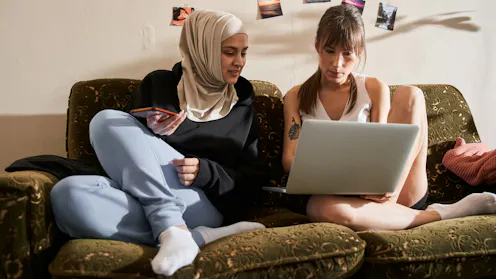
Seksisme digital bukan lagi sekadar kumpulan opini yang terpisah atau bersifat individual. Seksisme telah berkembang secara sistemik lewat platform digital dan berdampak nyata di dunia offline.
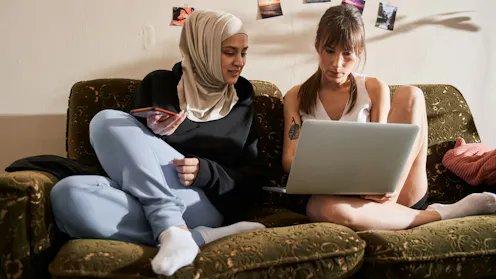
Online sexism is no longer primarily a series of isolated or individual opinions but has evolved into a system-level phenomenon that spreads through digital platforms and produces real-world consequences.
Contact Sepita for
- Media request
- Speaking request
- Consulting / Advising
- Research collaboration
- Research supervision
- Location: London, ON
- LinkedIn: https://www.linkedin.com/Sepita_Hatami
- Article Feed
- Joined
