
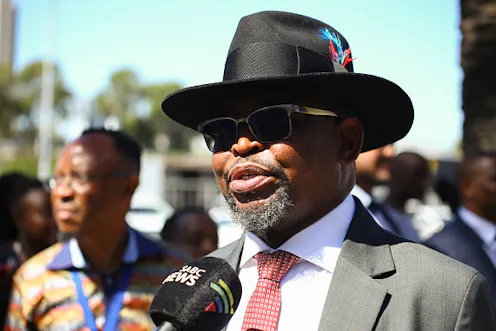
South Africa’s fiscal situation is arguably at its worst in the post-apartheid era but the proposed solutions are contentious.
- Senior Research Associate, University of Johannesburg
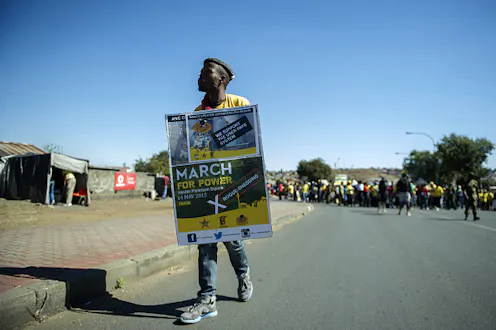
The wealthy should not be allowed to opt out from their share of the costs of electricity production and Eskom’s debt.
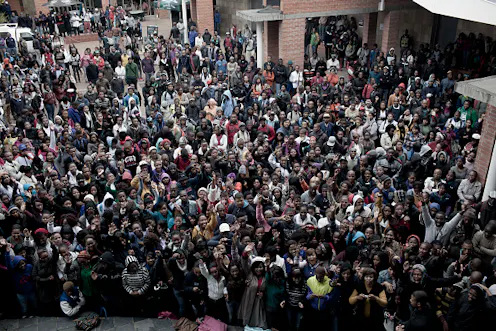
South Africa’s youth unemployment tax incentive is effectively a subsidy to the profits of companies.
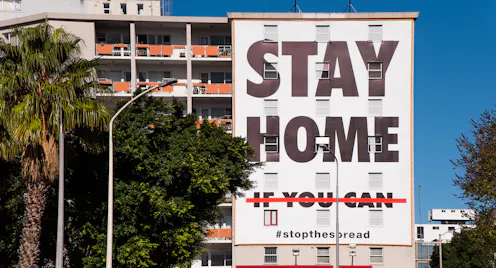
Scientists and policymakers need to be more humble in their claims of what they know.
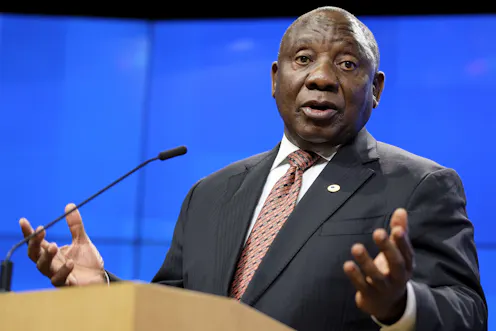
South Africa’s National Treasury now proposes to reduce salaries. On the face of it this seems sensible. But the fundamental issue is the structure of the public service.
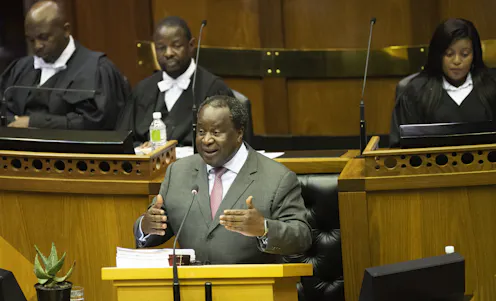
National Treasury is incapable of coming up with the sweeping governmental, social and economic changes required to dig South Africa out of its economic hole.
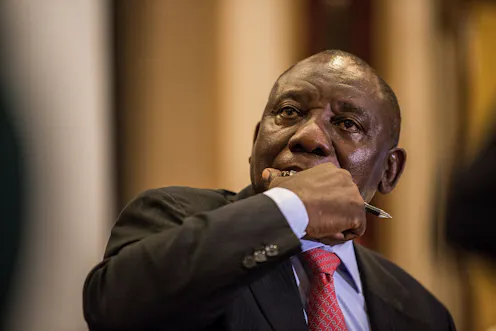
The South African government and some of its advisors want to have the best of both worlds. They want to use incorrect predictions by early models about the COVID-19 pandemic to claim success.
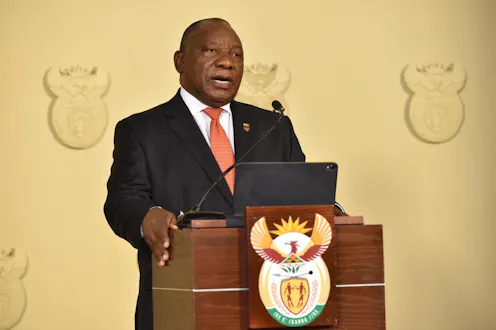
Epidemiology is only one of the inputs that should be considered in designing public health policy response to COVID-19 pandemic. The wider social and economic contexts must be factored in too.
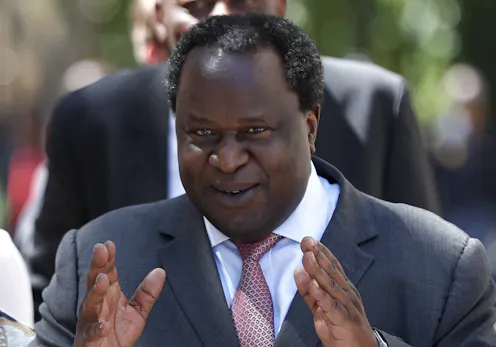
The South African government is hamstrung by the country’s fiscal and economic situation. And short of ideas about how to get out of it.
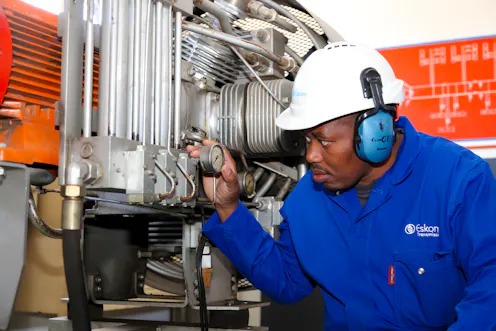
The deluge of opinions and proposed solutions to South Africa’s energy crisis reflects corporate and political interests.
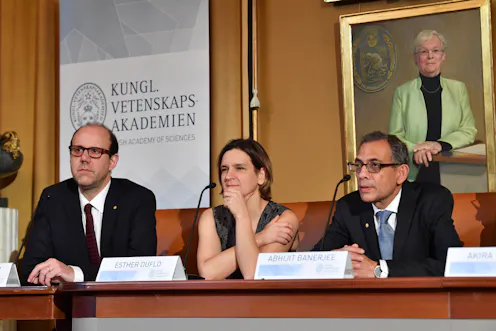
Randomised trials in development have attracted criticiism over ethical issues and questions about being effective for policy.
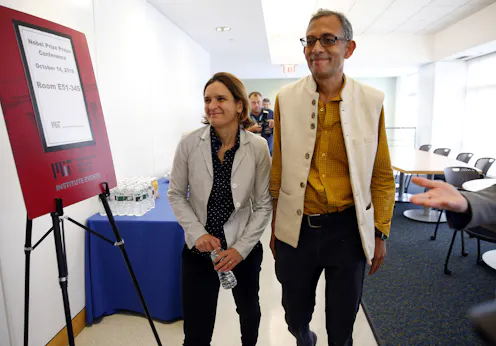
The surge of interest in experimental approaches in economics began in the early 1990s.
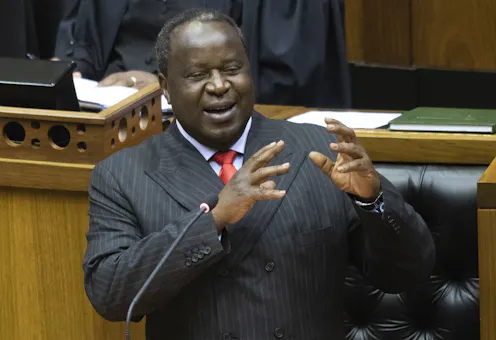
A major concern is that the government’s resolve is strongest on policies that are actually quite suspect.
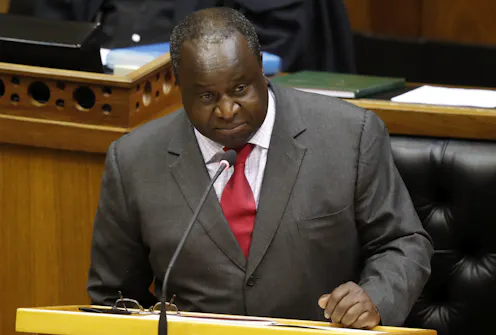
President Cyril Ramaphosa and his Finance Minister Tito Mboweni appear to have good intentions for the economy. But that’s not enough.
South Africa’s independent regulators have failed. Instead of introducing new ones, alternatives need to be found.
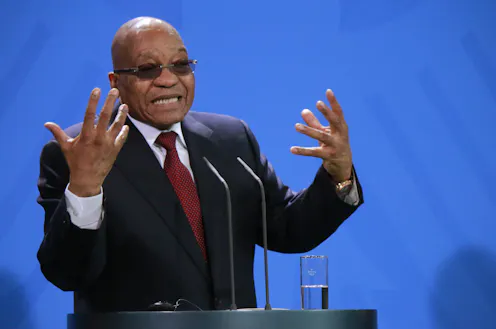
The only way out of South Africa’s crisis - financially wobbly utility Eskom, worsening public finances and poor economic growth - is a societal agreement that recognises the need for sacrifices.
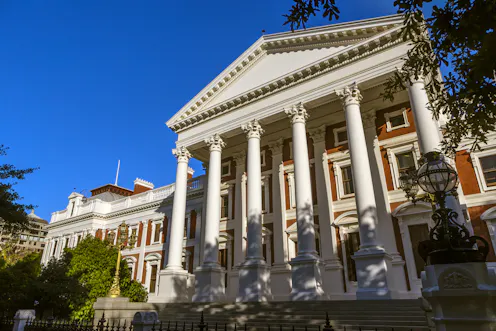
CC BY-NC-ND6.56 MB (download)
Appointing a credible director can be a step in the right direction for South Africa's parliamentary budget office.
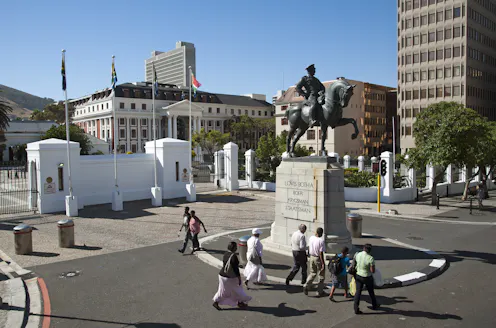
With the current state of the South African economy and public finances, the Parliamentary Budget Office could play a major role in ensuring that this happens. But the office is in complete disarray
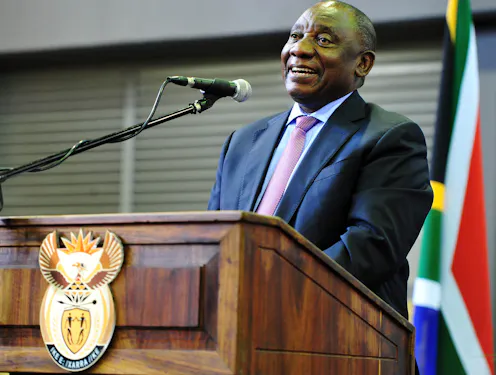
President Cyril Ramaphosa has to ensure that reform of critical institutions is placed first. Everything else will be compromised if this fails.

South Africa isn’t having an honest debate about proposals to fix its power utility Eskom, and the role that renewables might play.
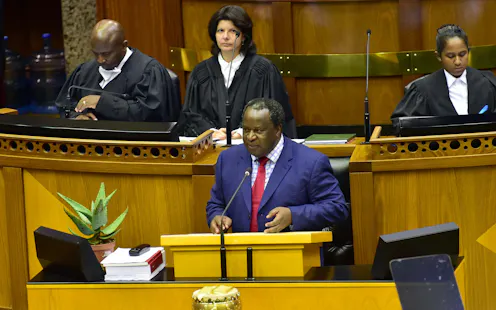
South Africa’s finance minister delivered a budget that tried to balance serving the public interest, while maintaining the stability of public finances.
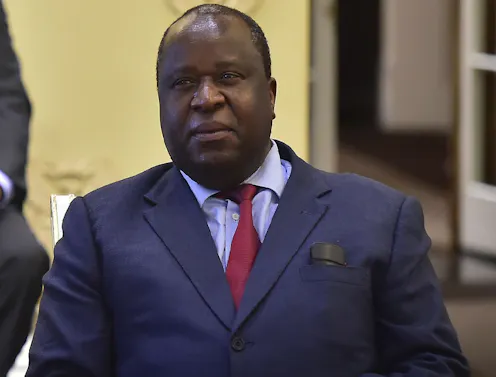
South Africa’s finance minister has chosen to walk a tightrope rather than face tough choices about cutting expenditure or raising taxes.
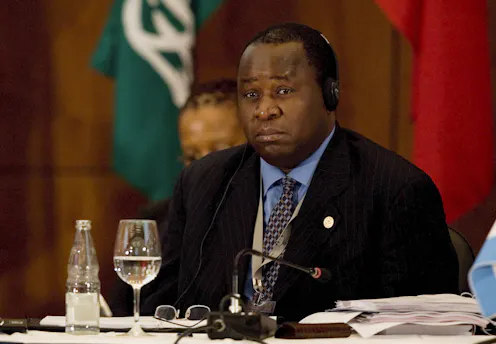
The damage done during the preceding decade will have a negative effect on South Africa’s public finances and the economy for some time to come.
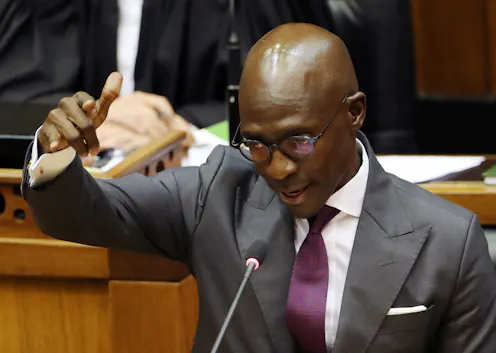
Whether measures announced by Gigaba will stave off a downgrade of South Africa’s local currency debt by one remaining rating remains to be seen.
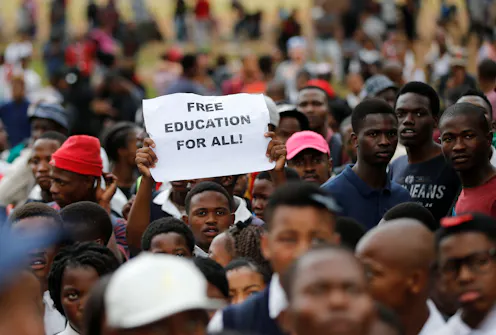
In many respects, President Jacob Zuma’s free higher education proposal in South Africa is the worst kind of populism.
Contact Seán for
- General
- Media request
- Speaking request
- Consulting / Advising
- Research collaboration
- Research supervision
- Location: Johannesburg
- Website
- X (formerly Twitter): @sean_m_muller
- Article Feed
- ORCID
- Joined
