

A new report shows how common it is for daycare centres to change owners. The sector also has high staff turnover and relatively low pay.
- Director, Peter Noonan Policy Impact Program, Mitchell Institute, Victoria University
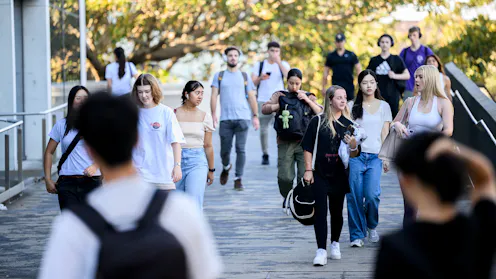
The most recent data shows the total number of international students living in Australia is slightly lower than what it was before lockdowns.

A new report looks closely at who uses the ATAR, who doesn’t and what that means for students and universities.

Researchers mapped the variation in preschool policies, and how they impact on what families pay, across all states and territories. Some places charge much higher fees than others.

Whether the policy benefits high-income or low-income families matters, but it also misses the point — early childhood policies need to focus on what benefits children.

Our report examines Australia’s educational performance against equity and excellence benchmarks. It finds the inequality gap is large and growing.
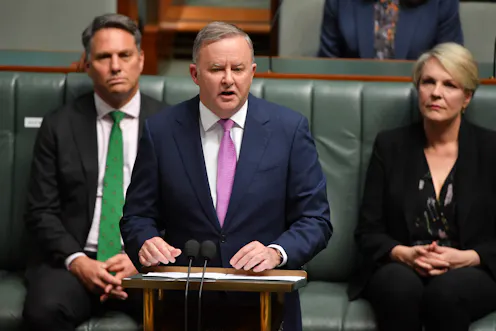
Labor’s proposed childcare measure would result in thousands of dollars saved per year. And it will make it affordable for parents who want to work more while accessing childcare.

The government should increase the childcare subsidy for families on low to medium incomes — either temporarily or permanently. This would involve increasing the highest subsidy rate from 85% to 95%.

The government’s emergency relief package for childcare centres has kept many from collapsing financially due to COVID-19. The transition to other arrangements must be slow and carefully managed.

Even before COVID-19, use of the ATAR for university entry was contentious. Now it’s even more so, and universities need to rely on other ways to admit students.

In 2017, around 60% of domestic undergraduate university offers were reported as non-ATAR, meaning there’s a diversity of pathways to higher education.

New analysis of education expenditure shows spending on the vocational education and training sector has declined while other sectors have experienced growth.
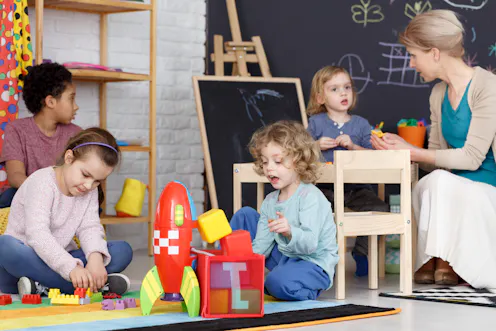
Despite good progress in recent years, there is still more to do, including improving access to early childhood education for three-year-olds.
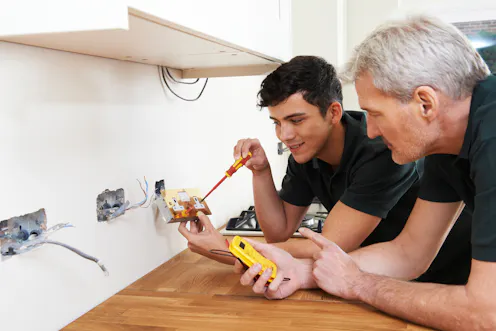
The so-called ‘crisis’ has united both sides of politics, employers and trade unions, but wrongly conflates apprenticeships and traineeships to skew the picture.

The latest OECD report on early learning education and care gives Australia a mixed report card.
Under our proposal, governments would guarantee public support for eligible people between the ages of 18-24 years – not just to go to university, but also for vocational education and training.
