
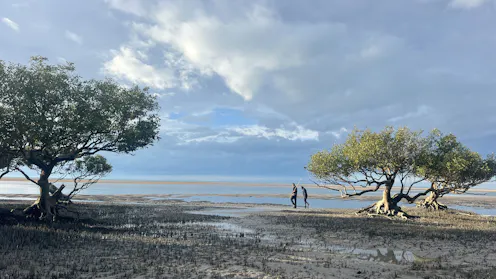
Since the first pilot program in 1998, Australia’s Indigenous Protected Areas have grown hugely. How can we strengthen them for the future?
- Professor of Wildlife Conservation, Australian National University
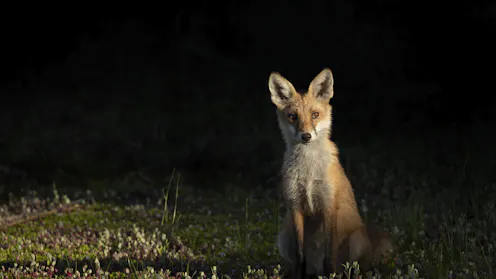
Decades of evidence link foxes and feral cats with extinctions of Australian mammals. Claims these introduced predators aren’t responsible don’t stack up.

In the 1940s, RAAF planes took aerial photographs of the Great Sandy Desert, capturing something valuable: the patterns of burning performed by our ancestors over generations.
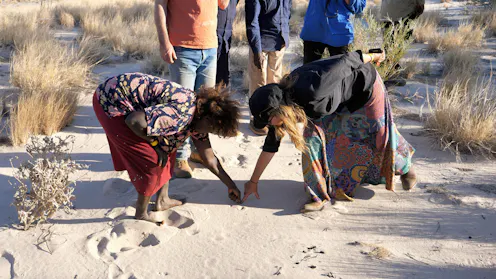
Footprints, droppings, diggings and other signs left behind by animals reveal a lot to a skilled observer. Indigenous knowledge feeds into one of Australia’s largest wildlife monitoring endeavours.
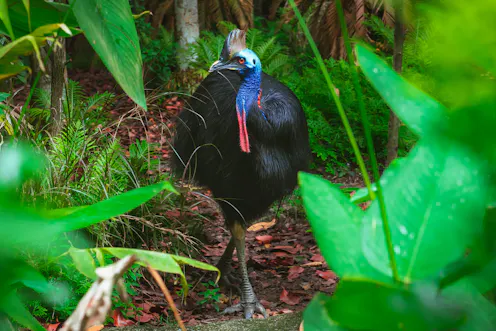
It’s hard work saving birds from extinction, but we have the evidence of successful interventions to show we can avoid further losses.
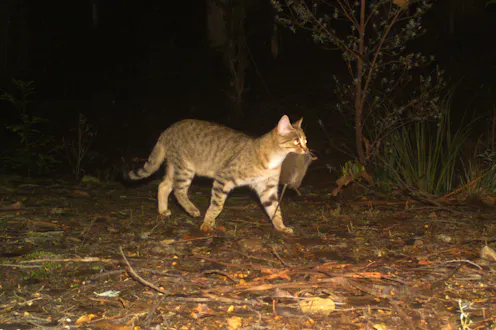
The Australian government has at last produced a serious plan to control an introduced predator that is a big reason this country has one of the world’s worst records for species extinctions.
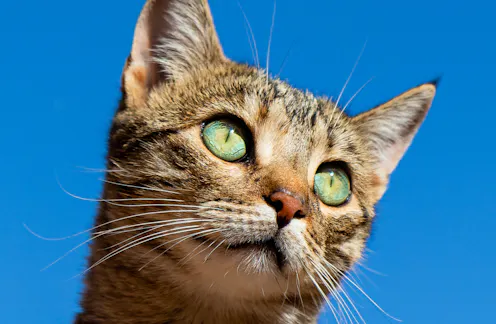
One-third of local councils have rules to stop pet cats roaming because of their major impacts on wildlife. More councils want to get on board but many are hampered by state laws.
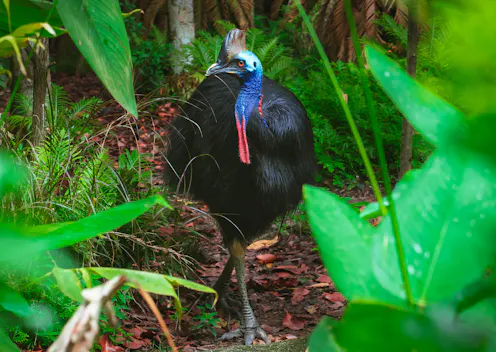
Dozens of species have been coaxed back from oblivion, with fenced havens, conserved habitat, islands and feral predator control vital.
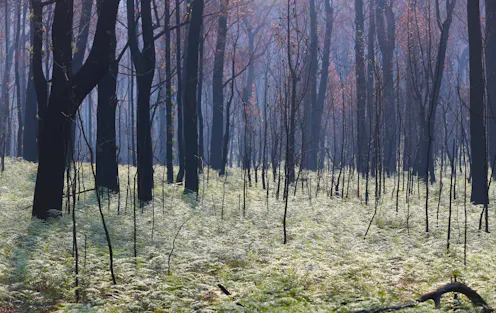
In one finding, fire authorities chose to save a few farm sheds over 5,000 hectares of national park. Clearly, our fire management needs a reset.
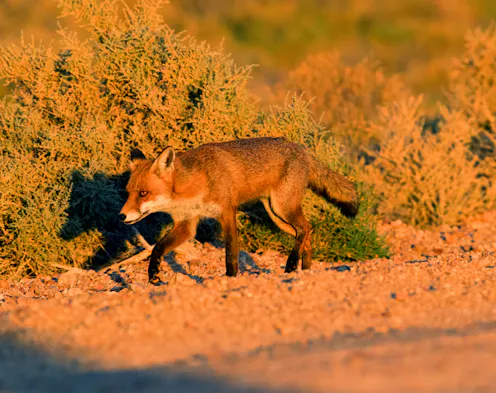
In some regions, foxes kill at least 1,000 animals per square kilometre every year.
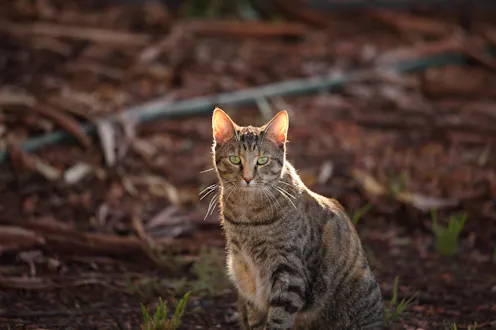
Cats kill a staggering 1.7 billion native animals each year, and threaten at least 120 species with extinction. Five experts analyse a parliamentary report on the problem.
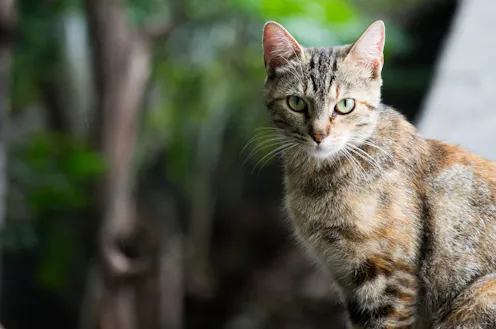
When cats were introduced to Australia, they brought several diseases with them. These diseases are taking a big toll on human health and the economy — but there are things we can do.
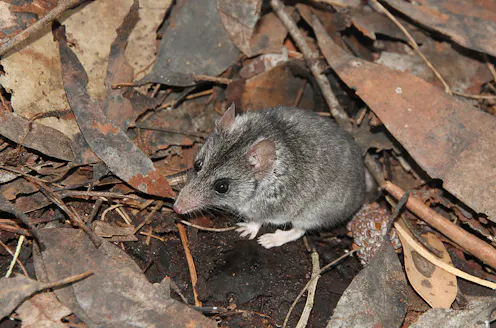
The Kangaroo Island dunnart was listed as critically endangered before fires ripped through 95% of its habitat. Those that survived the fires now face the threat of feral cats.
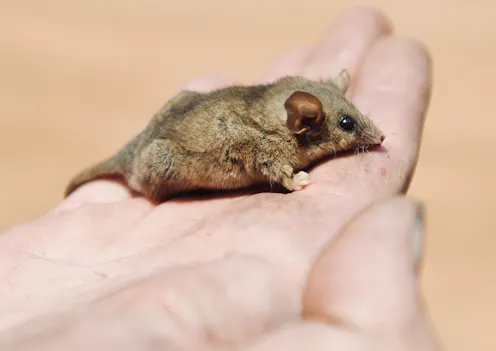
How fast can an animal run? How intense was the fire? Picking which species to help after a bushfire tragedy is no easy task.
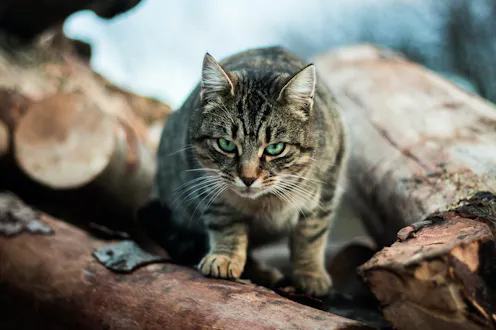
Roaming pet cats kill 390 million animals per year in Australia. Most of the animals are native to Australia.
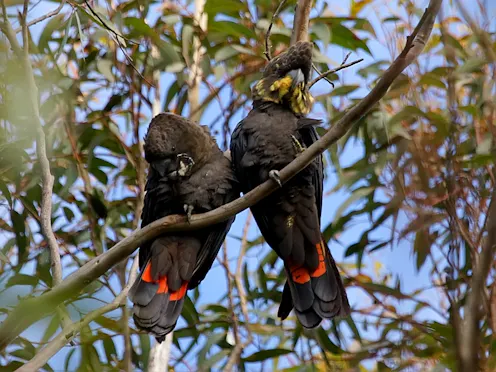
The destruction of recent fires is challenging our belief that with enough time, love and money, every threatened species can be saved. But there is plenty we can, and must, now do.
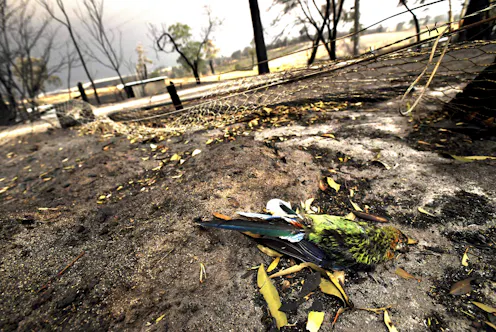
In a matter of weeks, the fires have subverted decades of dedicated conservation efforts for many threatened species.
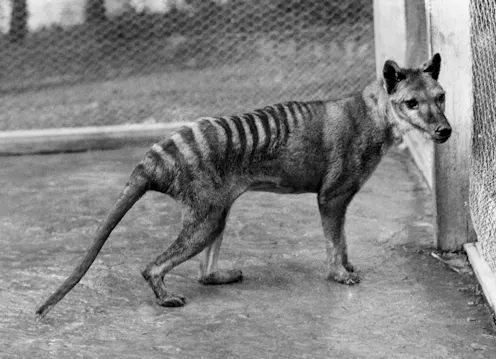
New research has revealed 100 plant and animal species have become extinct in the past two centuries – a far higher number than previously thought.

In the event, the federal election turned out to be more about the economy than the environment. But there are steps the Coalition government can take to help conservation and boost the economy too.
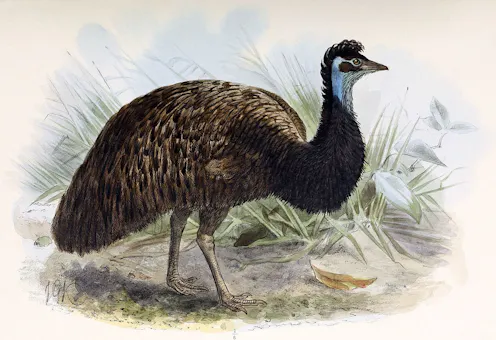
Australia is losing mammals faster than any other country, as well as plenty more plants and animals besides. Extinction is theft from future generations – it’s time to treat it as such.
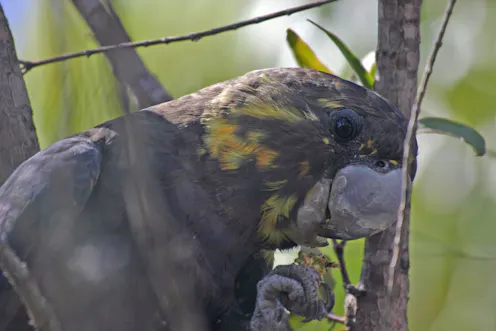
New research has shown how to measure conservation progress for Australia’s 238 endangered bird species
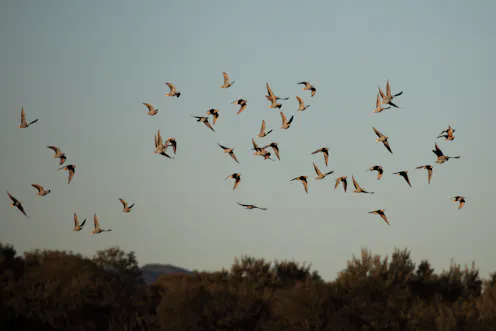
Australian wildlife can generally cope with drought, but they’re not prepared for the combination of people, introduced animals, and no water.

The average Australian feral cat kills 225 reptiles a year, which adds up to 596 million in total, according to a new estimate. Pet cats, meanwhile, kill a further 53 million.
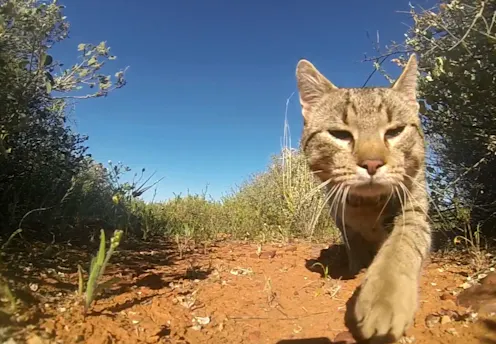
For the first time, researchers have estimated the toll taken by feral and pet cats on Australia’s bird life - and the numbers are high enough to push several species towards extinction.
Contact Sarah for
- General
- Media request
- Speaking request
- Consulting / Advising
- Research collaboration
- Research supervision
- Location: Canberra, Australia
- Website
- Article Feed
- ORCID
- Joined
