

The Victorian government was using a sector known for its non-compliance with minimum labour standards for an important public safety job. That decision has come back to bite it.
- Associate Professor UTS Centre for Business and Social Innovation, University of Technology Sydney
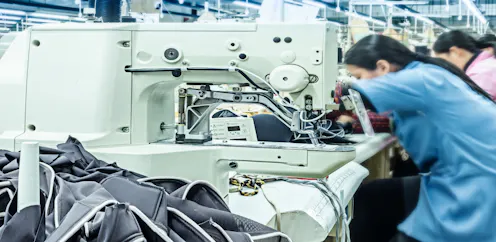
COVID-19 has been disastrous for people who make our clothes, but there are small signs of hope.

The aged care workforce is 90% women and 30% migrant. The royal commission might find that’s why it lacks clout.

Underpaying workers has become rampant in Australia.

At this election there is a stark choice between the two major parties on industrial relations: the “small target” approach of the Coalition and the ALP’s more ambitious and detailed plan.

Businesses and workers are at the mercy of mega-corporations.

The crucial question is not whether gig workers are employees or independent contractors, but what rights they ought to have as contractors.

This could be the start of a new era where regulation of the gig economy allows for the right balance between flexibility and sustainability.

If governments step in, this might be a war that customers, workers and the community can still win.
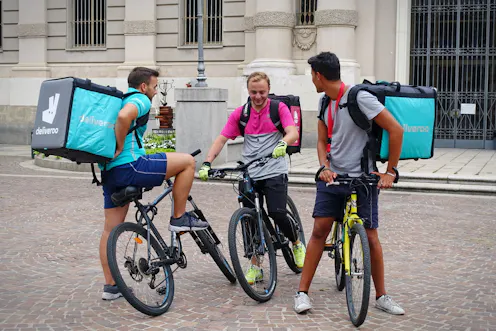
Many gig workers are classified as independent contractors, leaving them without minimum wages and other workplace protections. Creating a new category of worker could fix that.

The arrival of Amazon in Australia may signal a change in how we navigate industrial relations and workers rights.
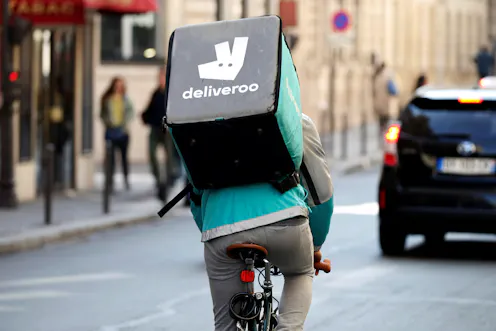
With more Australian workers joining the gig economy, questions about how these workers will fare in their retirement are becoming more pressing.

Wage theft and exploitation are rampant in certain industries. Certifying those that commit to fair work conditions could be key to fixing the problem.

A study shows the reality of gig worker experiences is far more nuanced than enjoying flexible work or being exploited.
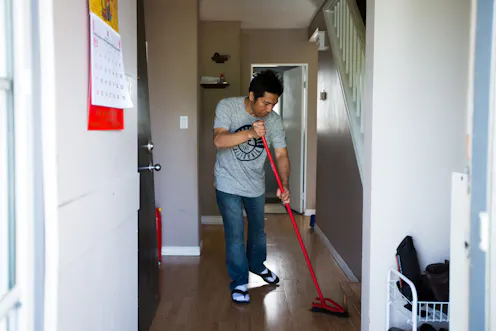
The business models of the gig economy often stand in the way of implementing minimum wages or conditions.

A decline in union membership has left a void to be filled by a more chaotic movement - alt-unionism.
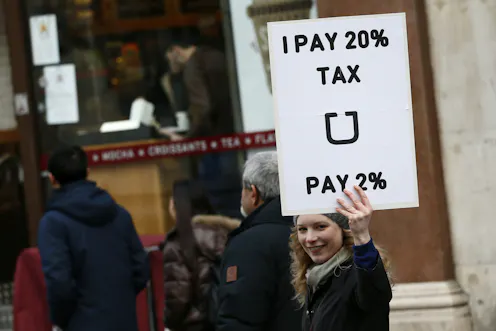
The gig economy is driving a resurgence in co-operatives.
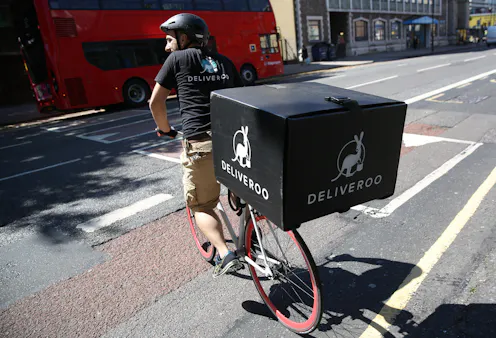
The Deliveroo strike shows even gig workers can find ways to push back if they feel they are being underpaid.
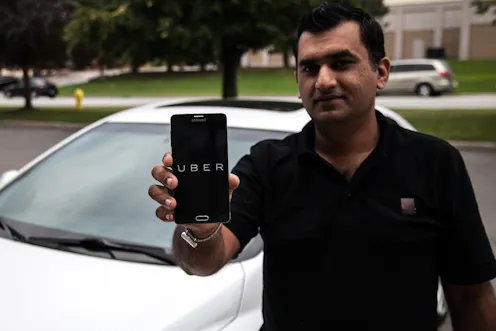
Workers in the gig economy have to deal with labour insecurity but they also take on more risk by using their own money to buy the tools they need to work.

Uber’s move to establish a drivers association is akin to the ‘yellow unions’ of the 1930s.
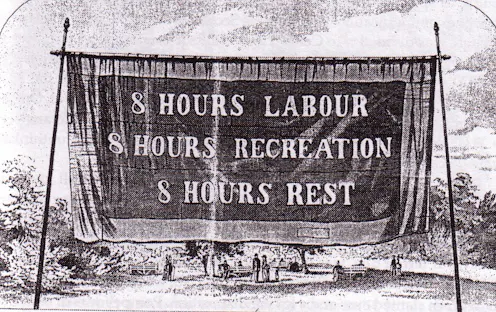
A diminishing membership base, changes to labour and industry and heightened political attention has left the once-powerful trade union movement flailing.

Unions are in a self-described crisis. The well-known tale of union decline in Australia continues with the latest figures revealing less than 15% of workers are members of unions, with that dropping to…

Labor’s sharing economy guidelines should help make for a more nuanced debate about the collaborative economy.

Uber is in a global fight to win a regulatory environment favourable to its business model. It could go one of two ways.

A ruling by the Californian Labor Commission that Uber drivers are employees, not individual contractors, might have much wider implications for the ride-sharing group.
Contact Sarah for
- General
- Media request
- Speaking request
- Consulting / Advising
- Research collaboration
- Research supervision
