
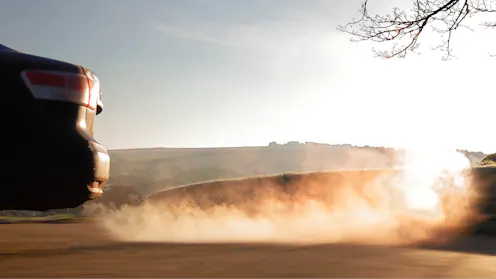
An estimated 1.5 billion petrol, diesel and LPG cars are on the world’s roads – and will be for decades. Ensuring they run cleanly is vital.
- Adjunct Professor of Transport, University of Technology Sydney
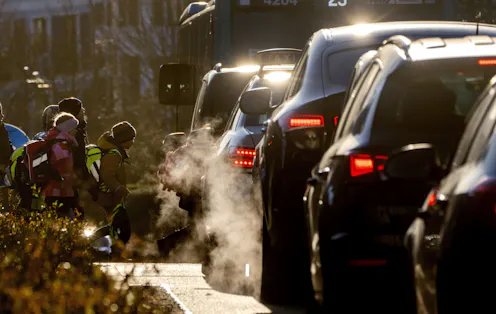
Ever wondered how the Australian passenger car fleet compares with the European fleet and what this means for the future? New research examined the differences in detail and how it might change.
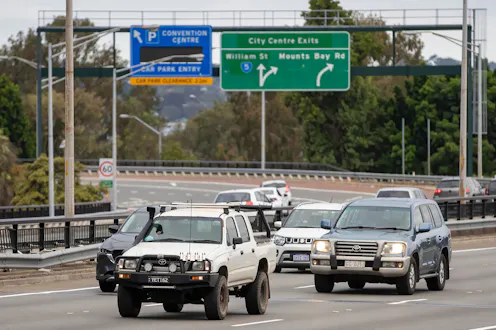
Simplistic comparisons are misleading. Calculations based on the mix of electric and fossil-fuelled cars actually on our roads show any difference in mass is too small to be significant.
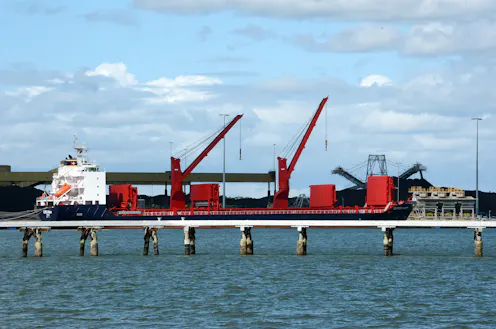
Shifting transport from air and road to sea and rail has untapped potential to slash emissions.

The only way to reduce soaring transport emissions is to shift as much travel as possible to the lowest-emission option.
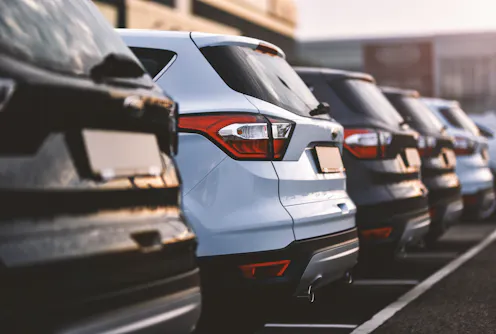
A new report from the Transport Energy/Emission Research consultancy examines Australia’s New Vehicle Efficiency Standard, finding it was weakened by late changes.
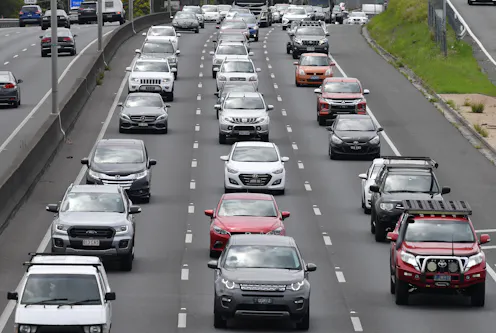
Australian vehicle emissions are even worse than official figures show and are likely to fall even further behind the rest of the world unless much more ambitious policies are adopted.
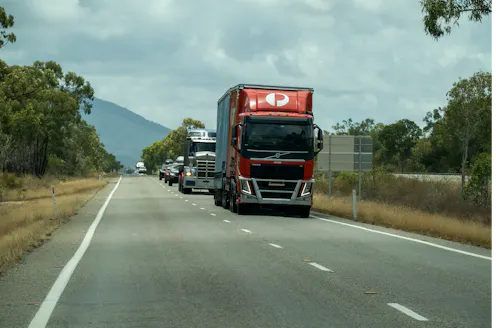
Battery electric trucks offer larger and more certain emission cuts than trucks powered by hydrogen in the quest to reduce Australia’s stubbornly high transport emissions.
A new study estimates a reduction in emissions of only 35-45% of pre-COVID levels by 2050. Lighter vehicles and faster uptake of electric vehicles can dramatically improve progress towards net zero.
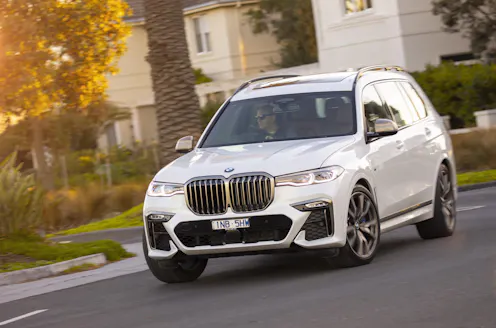
SUVs made up half of all new car sales last year. They’re a drag on Australia successfully reducing its total greenhouse gas emissions.

Labor has put fuel efficiency rules on the agenda. But the standards must be stringent and purpose-built for Australia.
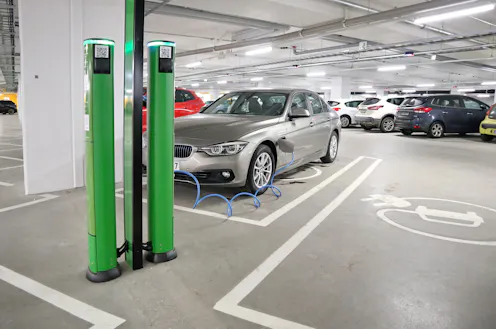
Even if all passenger vehicles sold today were electric, it would take more than ten years for the Australian road fleet to be fully electric.
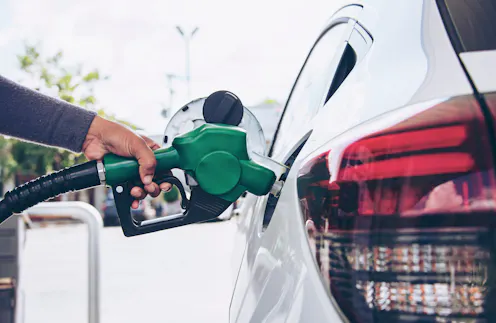
Eco-driving techniques, such as knowing how to control your acceleration, can go a long way towards conserving fuel.

We need to rapidly reduce global emissions before 2030. Developing hydrogen for low-emissions road transport won’t happen fast enough.
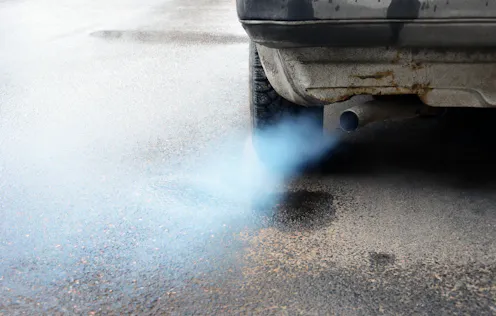
Removing engine idling would be like removing up to 1.6 million cars from the road.
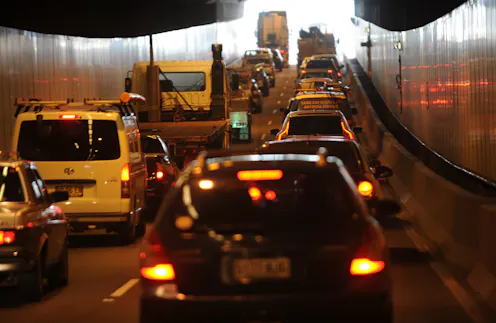
Surprise findings have revealed that Australia’s cars are getting less fuel efficient. This is bad news for the hip-pockets of motorists - and for the climate.
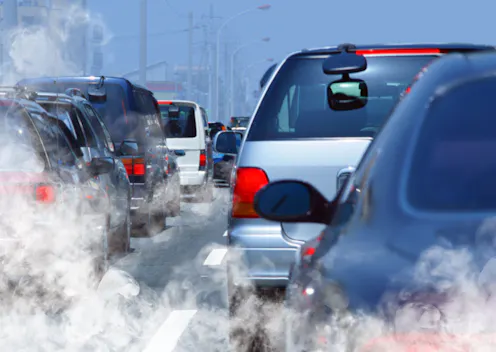
This shocking figure comes from our back-of-the-envelope calculations looking at the effect of forcing more efficient engines on the Australian market.
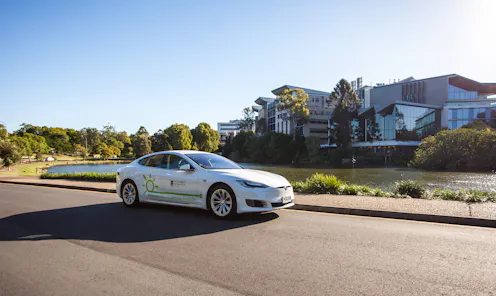
It’s unclear exactly what mix of technologies will drive the zero-emission vehicles of the future. But in terms of ‘well-to-wheel’ efficiency, electric batteries outperform hydrogen.
Contact Robin for
- General
- Media request
- Speaking request
- Consulting / Advising
- Research collaboration
- Research supervision
- Location: Brisbane, Australia
- Website
- Article Feed
- ORCID
- Joined
