
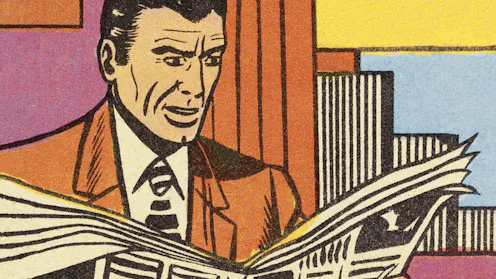
The cartooning industry is still struggling to adapt to the 21st century media business model.
- Professor of English, Flinders University
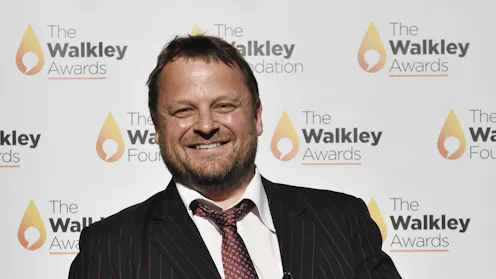
The award-winning cartoonist Jon Kudelka died in Hobart on Sunday, aged 53. Over 30 years, his work resisted the polarisation of the contemporary Australian media.
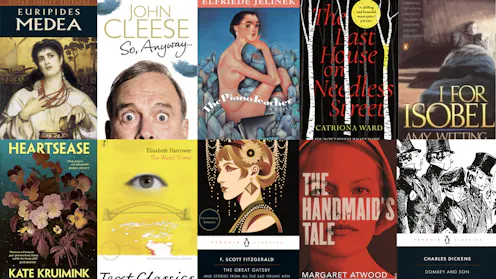
Literature is full of dysfunctional families. We asked critics to nominate their least favourite mothers.
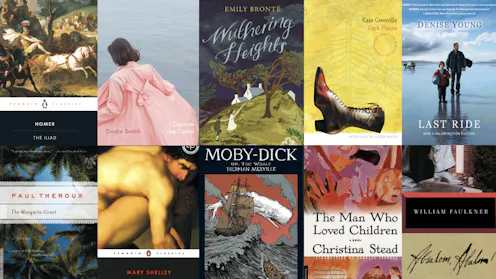
Literature is full of dysfunctional families. We asked critics to nominate the most troublesome fathers.
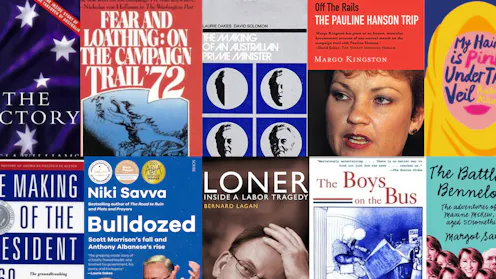
Ten political observers nominate their favourite books about the hustings hustle.
From Beowulf to Paul Keating, trolling has a long history. Social media, however, and Donald Trump, have taken things next level.
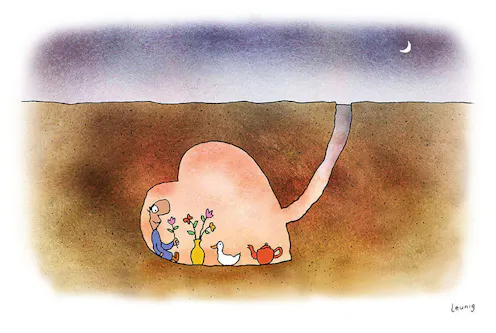
Michael Leunig has died age 79. By turns over his long career, he was a poet, a prophet and a provocateur.
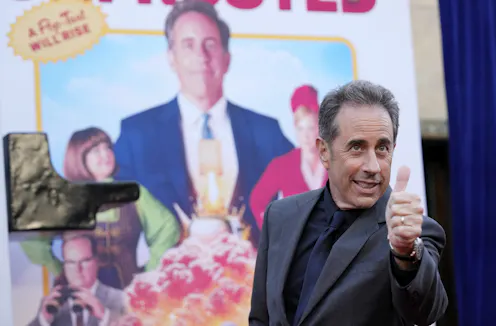
Manners have changed. This is a good thing. But many comedians who moan about being ‘cancelled’ are actually thriving in an era of supposed increased sensitivity.
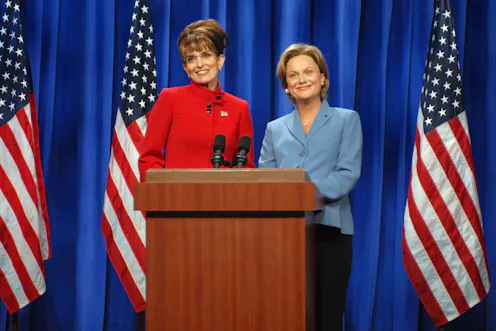
While labelling satire seems like a fine idea in theory, in reality it probably wouldn’t work. It also takes away from my right (and yours) to be fooled.
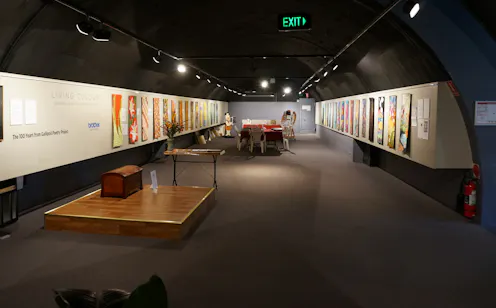
Is it really OK that the Americans, Canadians, French and New Zealanders manage to do better by their cartoon and comic heritage than Australia?
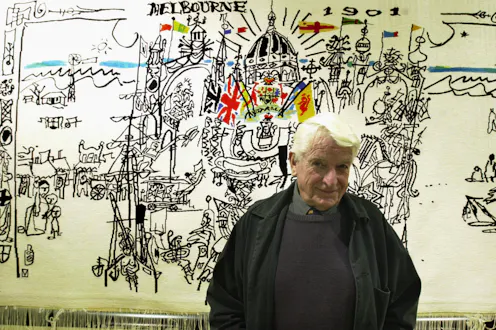
Bruce Petty woke editorial cartooning from a sleepy period telling fairly anodyne jokes and turned it into a mode of serious – if also often hilarious – satirical commentary on politics and society.
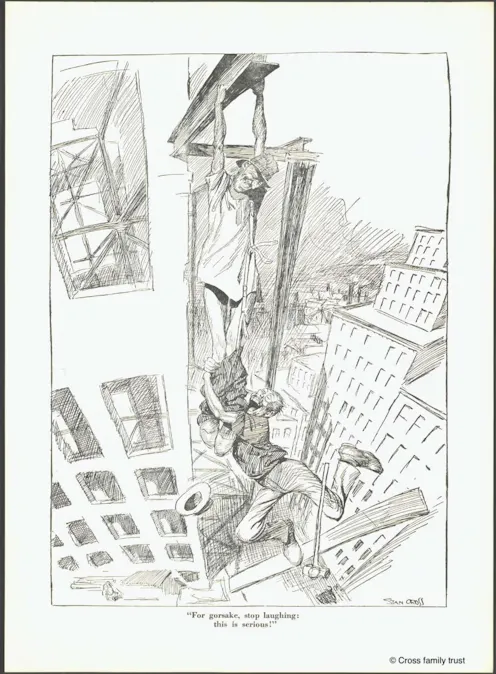
These disappearances demonstrate deep flaws in the way Australia maintains our rich cartoon heritage.
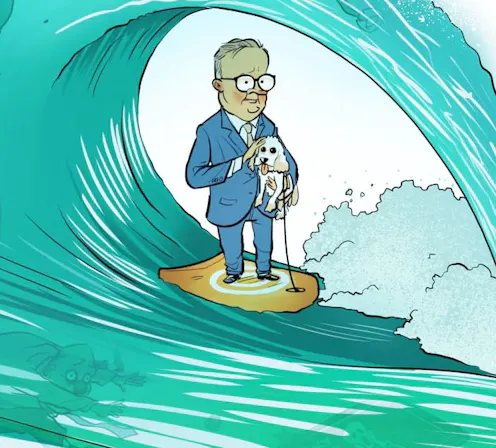
Political cartoonists have found their own ways of coping with a new government
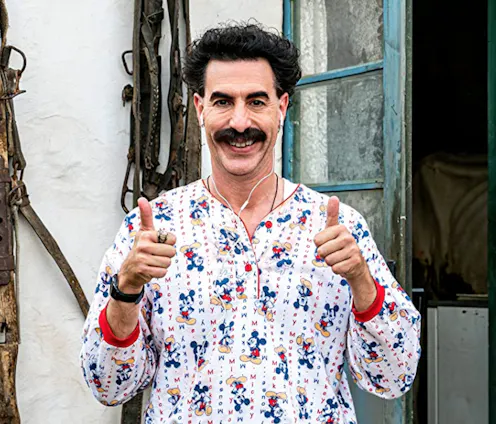
Borat Subsequent Moviefilm won’t be the Jeff Bezos-backed David that slays Goliath. But the film does manage to skewer some targets beyond the White House, such as the creepy misogyny on full display.
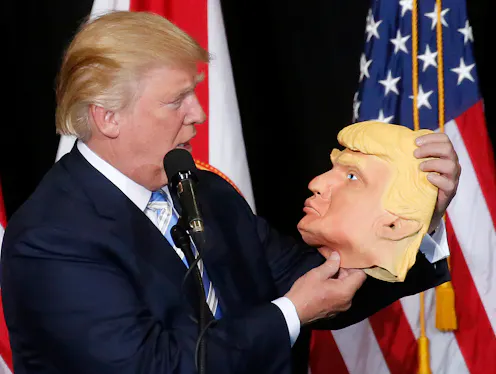
Donald Trump’s bizarre interview with journalist Jonathan Swan went viral this week. While some regard the US president as beyond parody, satire may be starting to bite as he slides in the polls.

Whether you’re home sick or sick of being at home, our 13 experts have picked excellent things you can read, watch, look at or listen to.
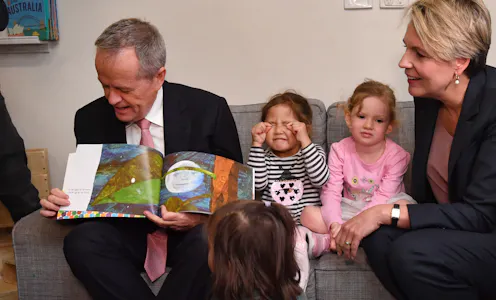
If you were in charge of the new parliamentary book club, what Australian book would you want your representative to read? Our experts weigh in.
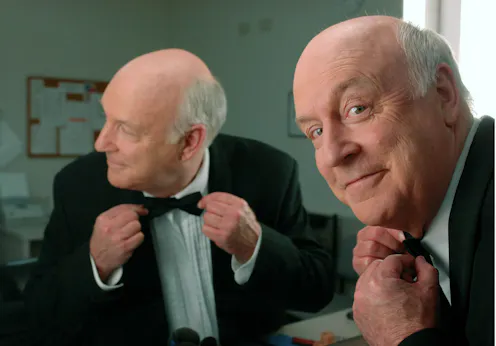
The first serious scholarly account of the works of comedian John Clarke has just been published. Here, we consider the creative genius of his command of language.
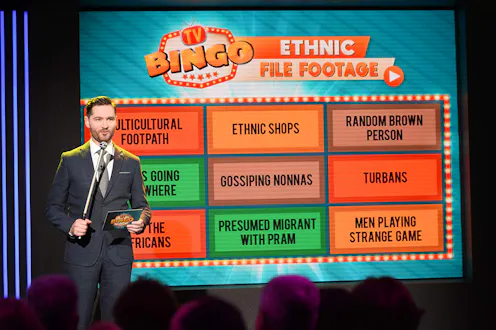
Today’s screen satire frequently preaches to the converted. Fortunately, there are some notable exceptions that can skewer even the most progressive of viewers.
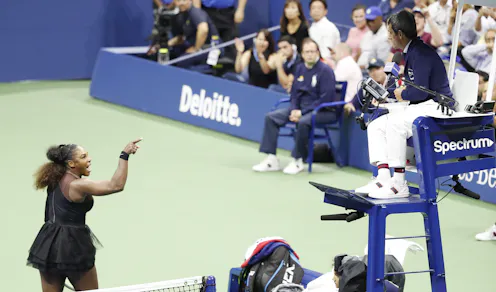
Cartoonists have to compress their images, so they often use stereotypes. This objectifies the subject and is thus, inevitably, an othering process.
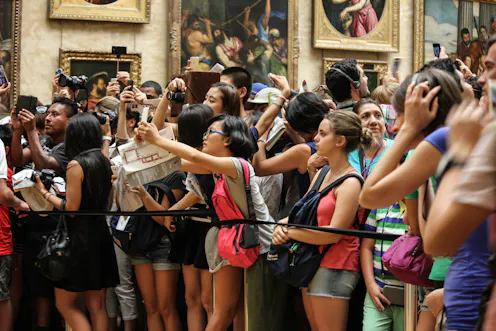
At a time when even accountants are looking for a more compelling understanding of value, it is imperative that the arts – where individual experience is central – resist the evangelical call of quantification.
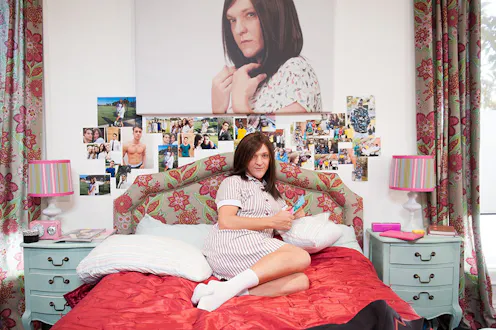
In our pursuit of a world that is safely and entirely OK, must humour be cleansed of its original sin of cultural appropriation and insensitivity? It depends whether we are ‘laughing up’ or ‘laughing down’.
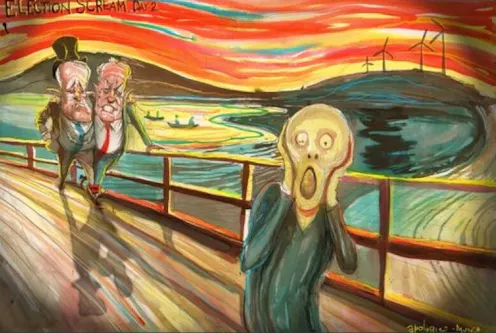
One of the great satirical achievements of the mass media era, the editorial cartoon, is losing its centrality in the digital age. Yet the ‘visual terrorism’ of cartoons can cut through the verbiage of political commentary.
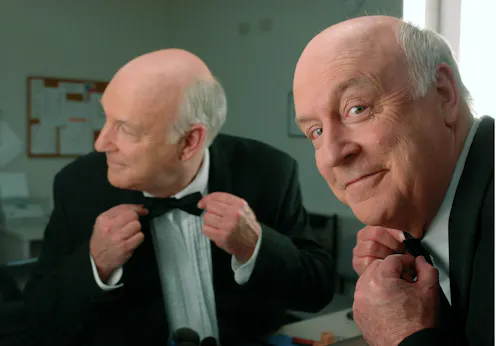
John Clarke gave voice to a brilliant Antipodean acerbity that has always seemed a little old-fashioned in its moral and tonal dignity. His was a magnificent achievement of focused, pitch-perfect satire.
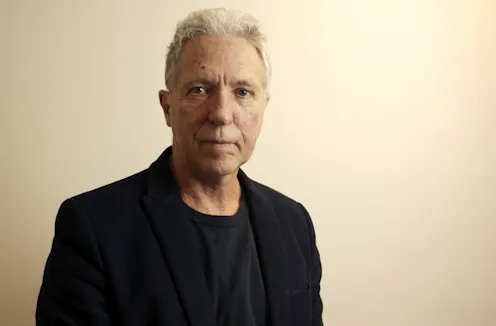
Bill Leak divided his audience, image by image. Causing offence was a KPI for him, not a risk.
Contact Robert for
- General
- Media request
- Speaking request
- Consulting / Advising
- Research collaboration
- Research supervision
- Location: Adelaide, Australia
- Website
- Article Feed
- Joined
