

Using AI and maple syrup fingerprints can detect maple syrup fraud, ensuring consumers receive safe, high-quality foods while protecting the identity of one of Canada’s most iconic products.
- Professor, Department of Integrative Biology, University of Guelph
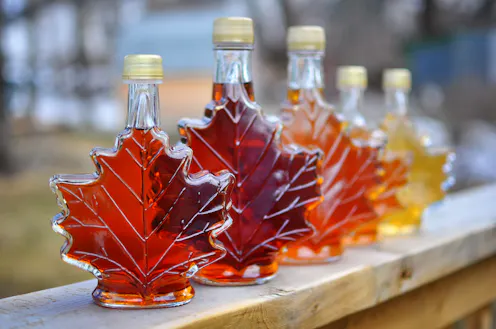
Maple syrup can often be adulterated with other syrups. A technique that uses fluorescence to indicate the presence of other compounds is an easy and quick method to determine quality.

The risk of COVID-19 exposure from high-touch surfaces within grocery stores is low if physical distancing guidelines and recommended cleaning protocols are followed.
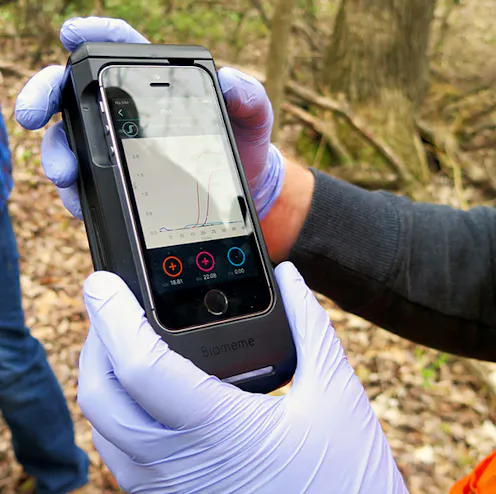
By 2167, DNA barcoding scans will lead to weather-style “biodiversity forecasts,” enabling us to more easily protect and care for the environment.
Contact Robert for
- General
- Media request
- Speaking request
- Consulting / Advising
- Research collaboration
- Research supervision
- Location: Guelph, Ontario, Canada
- Website
- Article Feed
- ORCID
- Joined
