

Meta can’t beat its rivals on raw AI capability. With its new Muse agent, it doesn’t need to.
- Senior Research Associate in Media and Communications, University of Sydney
The government’s proposed digital duty of care includes a mechanism for people to opt out of social media algorithms.

New rules on what companies can do with personal information include tighter consent requirements, a ‘right to be forgotten’, and a simple test for what’s OK.

Major changes for TikTok and YouTube could be about to follow.

A loss for Meta may force it to redesign Facebook and Instagram – and not just for US users.
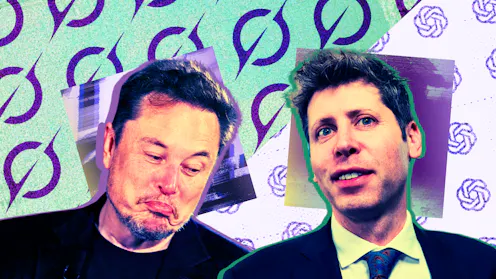
The case crystallises a wider public anxiety: an incredibly powerful technology is being built and controlled by a tiny number of feuding tech bros.

Aux États-Unis, un procès inédit vient de reconnaître la responsabilité d’Instagram et de YouTube dans l’addiction d’une jeune utilisatrice. Un verdict qui pourrait marquer un tournant juridique pour les géants des réseaux sociaux.
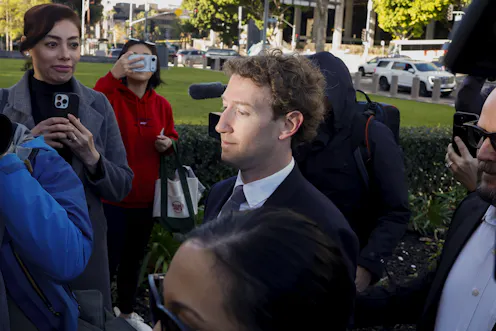
The case was the first of its kind. But it won’t be the last.

There is no certainty a custodian would have prevented all of the risks from the Optus outage last week. But it might have helped.
Google won’t have to sell Chrome. But the ruling could still have a significant impact on the tech giant – and the entire internet.
The cases against Google, Meta, Apple and Amazon could profoundly shape the future of global technology.
Big Tech and Big Pharma are complaining about Australian laws – and it could lead to more tariffs.
The new plan follows the Morrison government-era system known as the news media bargaining code, which saw companies such as Google and Meta (which owns Facebook) pay news organisations.

The competition watchdog reported hearing ‘concerning’ reports from suppliers about being paid prices below the cost of production but having ‘little choice but to agree to highly unfavourable terms’.
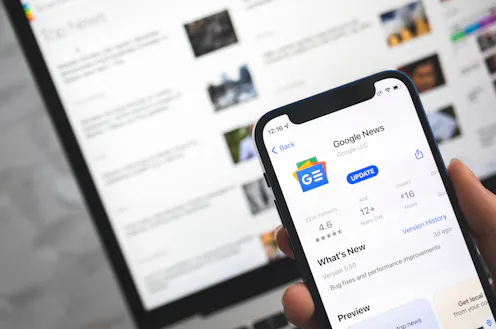
A new report shows Alphabet, Google’s parent company, is worth more here than News Corp and Nine combined.

In terms of paying for content and regulating content, the federal government gets a mixed report card.

A new parliamentary committee will look into how social media operates in Australia, including how children access it. Regulating the industry won’t be easy.
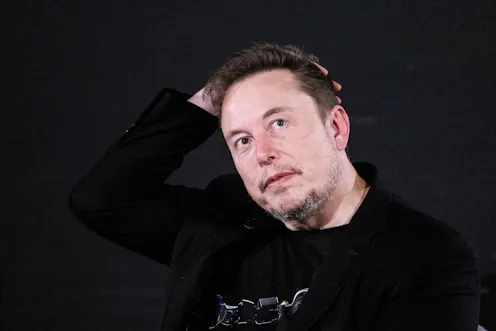
The billionaire owner of X (formerly Twitter) has taken aim at Australia’s eSafety Commissioner over being told to remove videos from his site. It’s just the tip of the legal iceberg.
The news page on Facebook will go, and with it, the flow of money to some Australian media outlets. But will the news content disappear too?

The Guardian has accused Microsoft of reputational damage, after it displayed one of its articles alongside an inappropriate AI-generated poll.
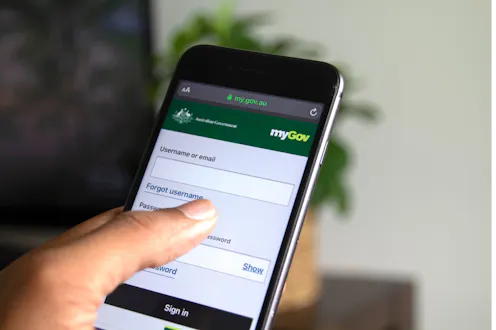
Scammers have exploited a simple weakness in the myGov online portal to redirect hundreds of millions of dollars in tax refunds.
A Meta spokesperson told The Conversation non-news pages had been taken down by mistake. Whistleblower allegations contradict this.
Alphabet, Apple, Meta, Amazon and Microsoft have each taken some form of action against Russia — but the actual impact it will have isn’t clear.

Compromises were reached and reputations suffered. Who ultimately won the social media showdown?
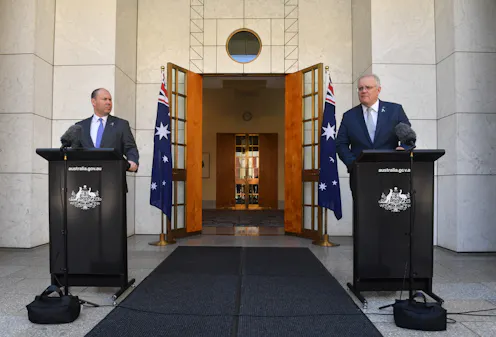
More than half of the allocated funds will go towards making ‘digital government’ easier to do business with.
Contact Rob for
- General
- Media request
- Speaking request
- Consulting / Advising
- Research collaboration
- Research supervision
- Location: Sydney, Australia
- Website
- Article Feed
- ORCID
- Joined
