
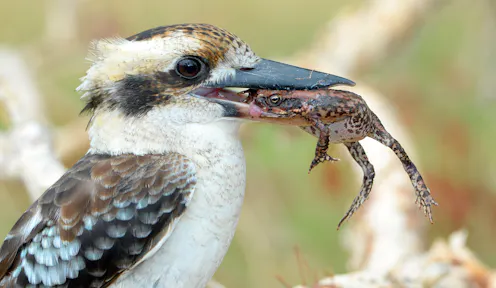
New research suggests if we can’t eradicate cane toads, we can teach wildlife not to eat them.
- Professor in Evolutionary Biology, Macquarie University

Cane toads are evolving as they spread across Australia. Parasitic lungworms are becoming more infectious to keep up.
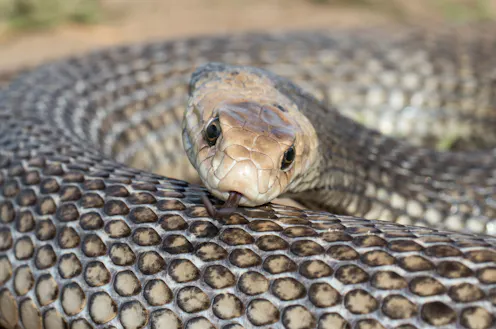
The benefits of snake populations on agricultural land far outweigh the potential costs, and farmers should tolerate rather than kill them.

Australia’s invasive cane toads may be out-evolving their lungworm parasites.
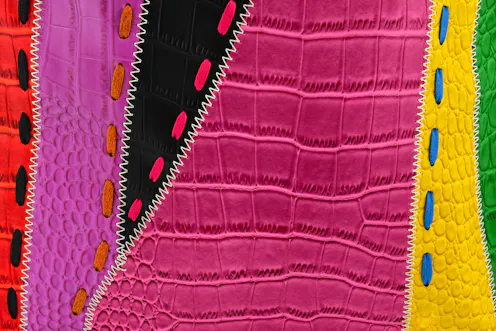
Snakeskins, alligator skins and lizard skins are at the centre of a battle between researchers over sustainability.

There are exciting synergies between western science and indigenous knowledge. Surprisingly, the success of our Australian predator conservation research was due entirely to its multicultural nature.

Jadi bukti menyebutkan bahwa eksploitasi komersial reptil liar ternyata dapat menjaga populasi, bukannya memusnahkan mereka.
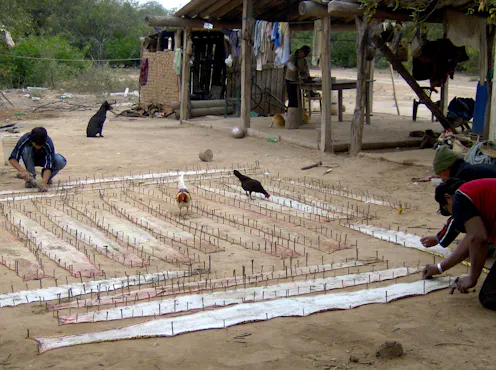
When small regional communities see economic value in animals like snakes and crocodiles, people are motivated to invest in their protection.

New genetic knowledge about cane toads could give us the knowledge we need to throw some more roadblocks in front of this persistent invader as it marches across Australia.
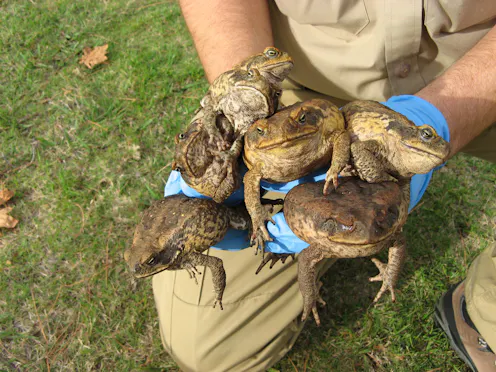
It sounds weird, but releasing small cane toads ahead of the main invasion front can help predators learn to avoid the biggest, most toxic ones. Here’s exactly how it works.

Cane toads are one of the Australia’s most serious invasive species, killing predators such as goannas, quolls and crocodiles in the tropical north. We already know the toads are advancing from Queensland…
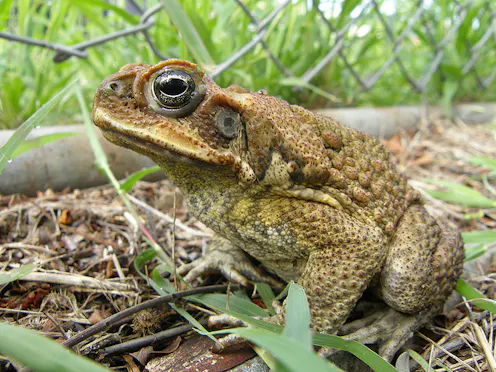
Some 150 years ago, Charles Darwin proposed a mechanism for evolutionary change; but is there something beyond natural selection driving evolution? My colleagues and I think so, and we believe it has come…
Contact Rick for
- General
- Media request
- Speaking request
- Consulting / Advising
- Research collaboration
- Research supervision
- Location: Sydney, Australia
- Website
- Article Feed
- ORCID
- Joined
