
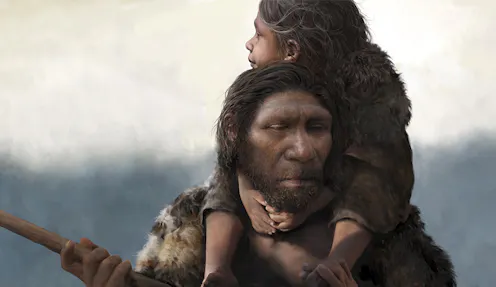
Ancient DNA from Neanderthal fossils in southern Siberia reveals a small community with close family ties – including a father and his teenage daughter.
- Director, ARC Centre of Excellence for Australian Biodiversity and Heritage (CABAH), University of Wollongong
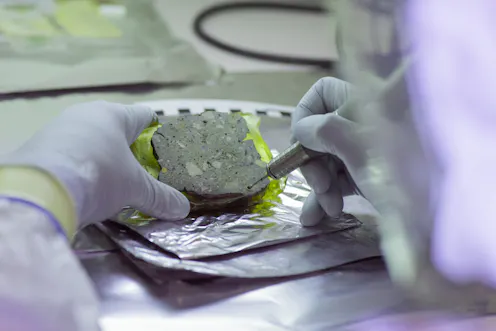
Genetic analysis of intact blocks of sediment from archaeological sites reveals that microscopic fragments of fossil bone and faeces are the main sources of ancient DNA.

Our research has also uncovered major long-term changes in ancient animal populations at Denisova Cave, and has provided the first direct evidence of Homo sapiens having lived there.
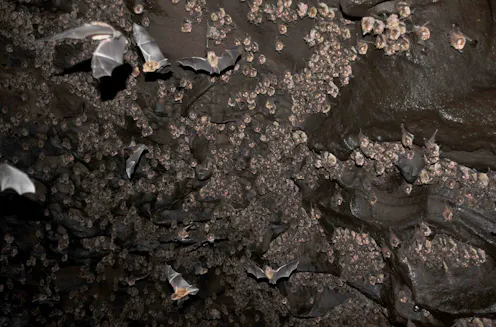
Laboratory experiments with bat poo reveal how archaeological materials in tropical caves have been chemically altered over the millennia.
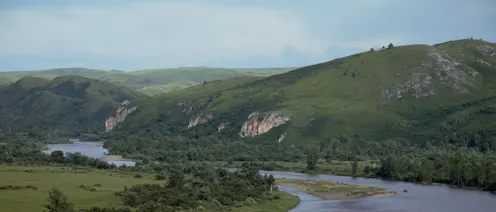
Neanderthals living in a cave in southern Siberia made distinctive stone tools that can be traced to their ancestral homeland in eastern Europe — an intercontinental journey of more than 3,000 km.

Denisova Cave in Siberia has a rich fossil history of early humans - and deposits of droppings from hyenas, wolves and even bears, according to a new analysis of the cave’s dirt floor.

New studies reveal when the Denisovans and their Neanderthal cousins occupied a cave in southern Siberia. It’s the only site known to have been inhabited by them and by modern humans.
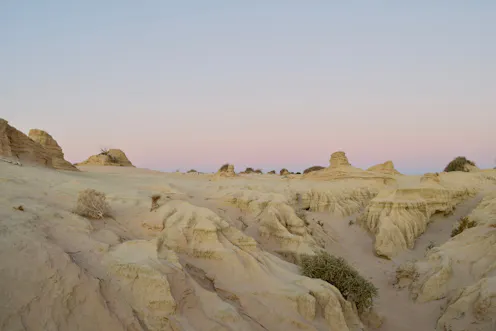
On the golden jubilee of the discovery of Mungo Lady’s 40,000-year-old remains, we can reflect on Aboriginal Australia’s vast history, which predates the arrival of Homo sapiens in both Europe and America.
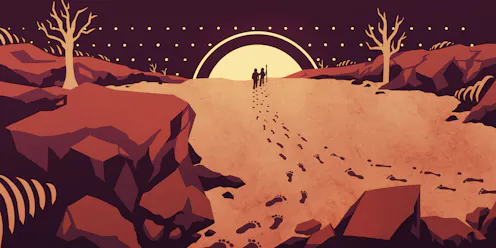
When did Australia’s human history begin?
The Conversation, CC BY16.6 MB (download)
Today's episode of Essays On Air, the audio version of our Friday essay series, seeks to move beyond the view of ancient Australia as a timeless and traditional foundation story.
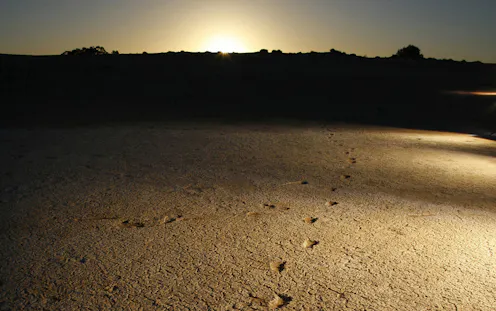
Over the past half century, Australia has experienced a ‘time revolution’ with Indigenous history pushed back into the dizzying expanse of deep time. The latest discovery reminds us that science, like history, is an ongoing inquiry.
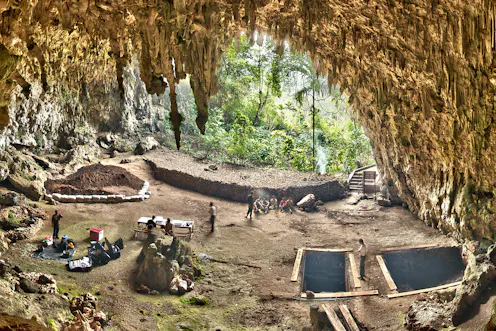
New excavations at an Indonesian cave have pushed back the time the ‘hobbits’ disappeared to about 50,000 years ago.

Ten years ago today in Australia and Indonesia the scientific world was turned on its head. By a very small head, as it happens. We were part of the original joint Australian-Indonesian research team involved…

No-one alive today has witnessed a volcanic eruption remotely as big as the Toba “super” eruption. But our ancestors may have done, tens of thousands of years ago, when northern Sumatra exploded, creating…
Contact Richard for
- General
- Media request
- Speaking request
- Consulting / Advising
- Research collaboration
- Research supervision
- Location: Wollongong, Australia
- Website
- Article Feed
- ORCID
- Joined
