

Masyarakat di Indonesia telah menciptakan seni cadas sejak 67.800 tahun yang lalu—jauh sebelum manusia modern menginjakkan kaki di Australia.
- Professor in Geochronology and Geochemistry, Southern Cross University

Pessoas já criavam arte rupestre na Indonésia há 67.800 anos, antes mesmo de os humanos modernos chegarem à Austrália.

People were creating cave art in Indonesia 67,800 years ago – before modern humans reached Australia.
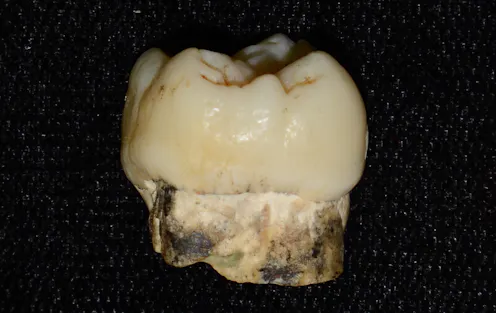
Long before industry, our ancestors faced toxic metals, including lead. This exposure may have shaped the evolution of human intelligence.
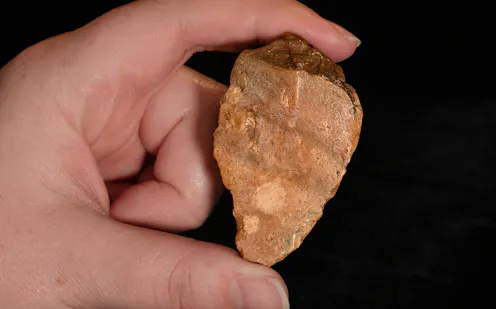
Ini adalah bukti pertama bahwa manusia purba melakukan penyeberangan laut yang tangguh dari daratan utama ke Sulawesi setidaknya 1 juta tahun yang lalu.

It’s the first evidence that early humans made a formidable sea crossing from the mainland to Sulawesi at least 1 million years ago.
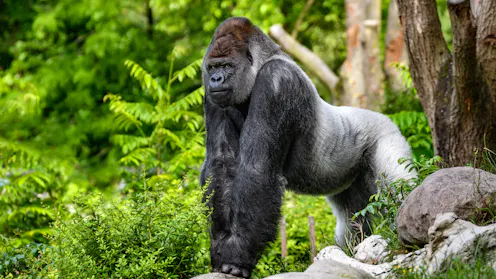
Beyond the jokes and memes, this silly debate provides an opportunity to reflect on human evolution.
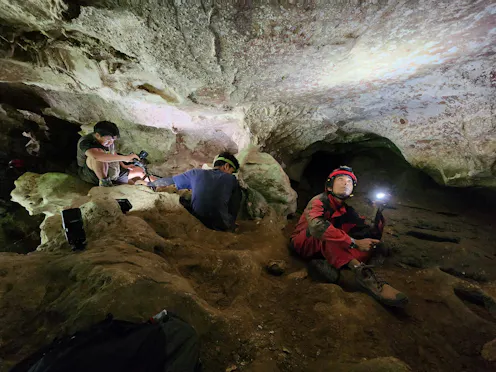
Figurative art presents lifelike representations of subjects. Using a new laser technique, we’ve dated figurative rock art painted 51,200 years ago.
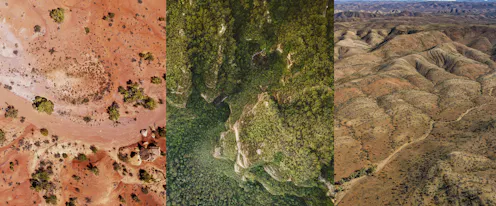
By detailing the landscape at the time of first humans’ migration into Australia, we can better understand how people travelled and where they settled.
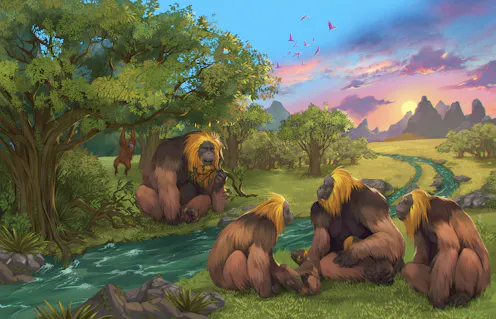
What happened to the three-metre tall apes that once lived alongside orangutans? A new study suggests they were too slow to adapt to a changing world.
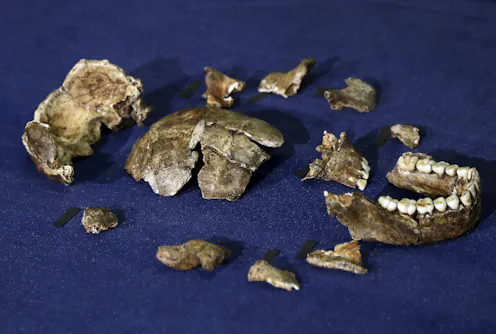
How, when and where did modern humans evolve? Nobody has all the answers, but studying rock and dirt can put the debate on firmer footing.

New evidence from contested Laos cave site shows humans reached Southeast Asia at least 68,000 years ago.
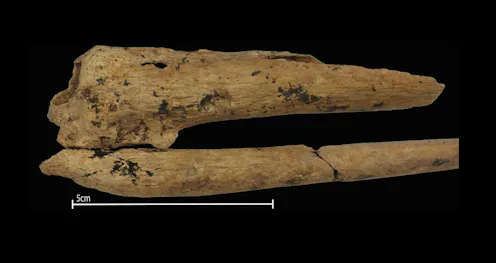
An astonishing discovery from the oldest known grave in Southeast Asia has revised medical history – the previous known amputation surgery was just 7,000 years ago.

The mysterious Denisovans left DNA traces in populations across Southeast Asia and Australasia, but until now no physical signs of their presence outside Eurasia had been found.

Universities supposedly have adopted a more corporate approach – but most corporate board members have expertise in the area their company operates in and are more accountable to shareholders.

An open letter, signed by more than 600 academics, is calling on state and federal education ministers to ensure universities change their hierarchical corporate structure.
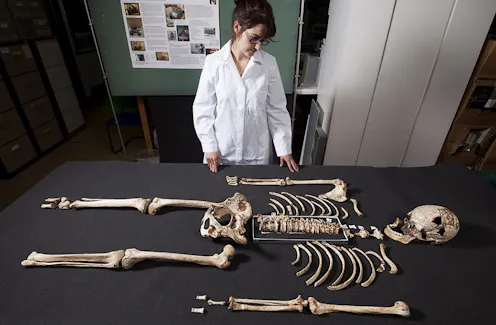
You can’t own a human, so why can you own their remains? We need to stop treating human fossils as objects.
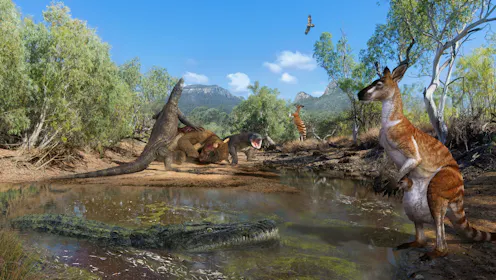
These megafauna were the largest land animals to live in Australia since the time of the dinosaurs.
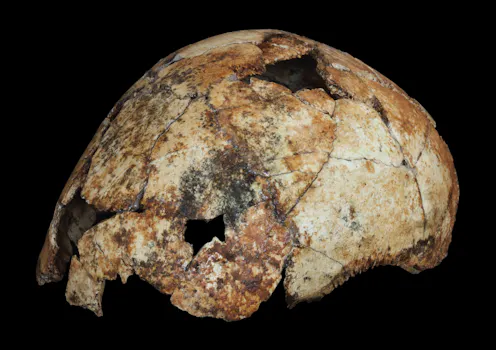
Ini adalah temuan besar yang penting. Salah satu dari nenek moyang kita bisa jadi berasal dari Afrika Selatan.
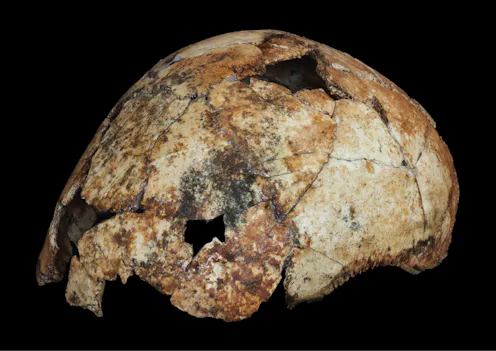
This is a hugely important find. It means that one of our earlier ancestors possibly originated in southern Africa.
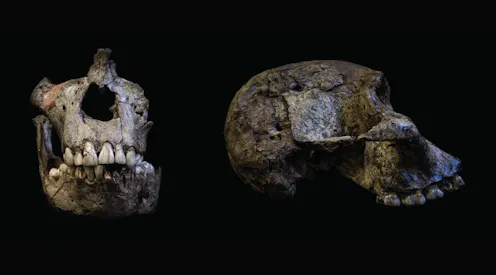
A new study shows the enigmatic hominin species Australopithecus africanus may have breastfed young for around 5-6 years – a very costly practice for the mother.
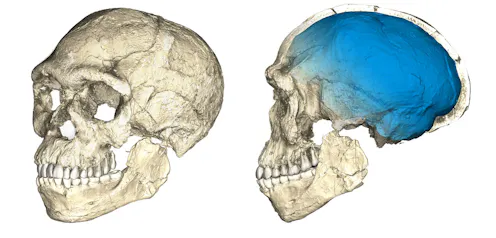
New paired research papers have pushed back by 100,000 years the time frame in which humans (Homo sapiens) are thought to have lived in Africa.
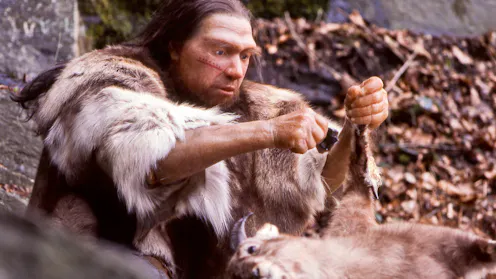
The evolution of diet is intimately linked to human evolution: from the use of tools to break nuts, collect insects or hunt game, to the use of fire allowing more calories to be extracted from the food…

We know at least six months of exclusive breastfeeding is the best start to a baby’s life. What’s amazing is it seems ancient hominids knew that too. In a paper published today in Nature, we analysed the…
Contact Renaud for
- General
- Media request
- Speaking request
- Consulting / Advising
- Research collaboration
- Research supervision
- Location: Lismore, Australia
- Website
- X (formerly Twitter): @GARG_SCU
- Article Feed
- ORCID
- Joined
