
Homeschooling ranges from highly structured ‘school at home’ to ‘unschooling’ where kids learn through living.
- Senior Lecturer in Education, Queensland University of Technology
New data from Queensland shows there has been a 20% increase in homeschooling in the state over the past year.
There are lots of stereotypes about why people homeschool their kids. Some parents interviewed in new research said bullying meant they had no choice.
A Melbourne private school is opening online-only enrolments. Headlines have focussed on the $18,000 fees. But there are many reasons why in-person schooling may not work.
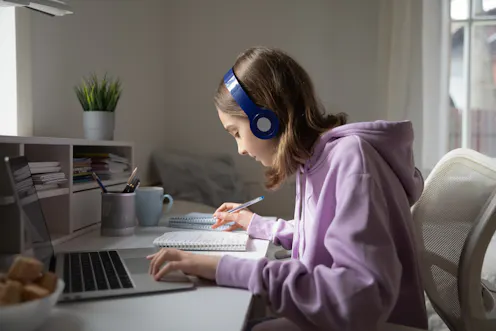
As a result of long remote learning periods due to COVID, many families have found they prefer this method over traditional school.
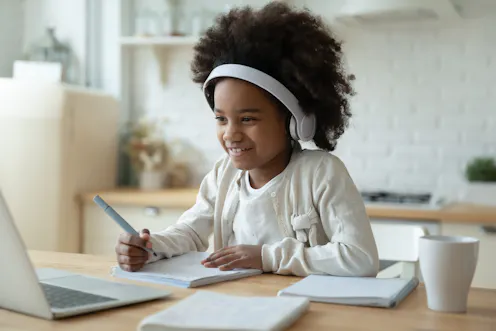
During the lockdowns last year, many experts and parents were concerned children’s education would suffer. But on average, students did OK. A lot of learning is incidental.
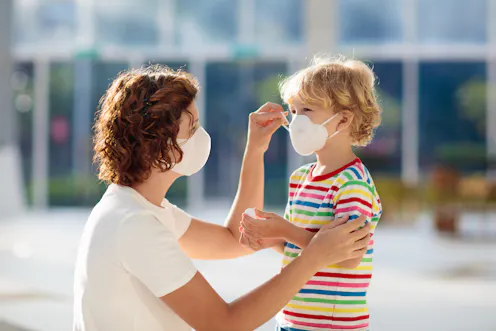
One of the best things you can do to encourage your kids to mask up is to model wearing one. There are other things you can try too.
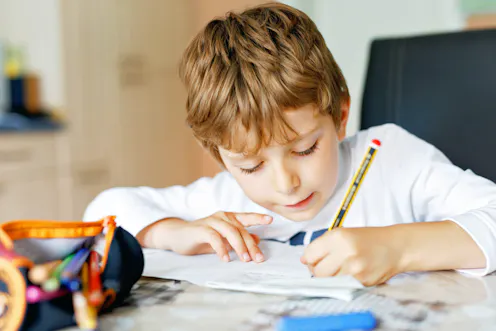
In New South Wales and Victoria the number of students being home educated increased by 20% in 2020 (1,224 extra children) compared with 2019. But the rise has been evidenced for a decade.
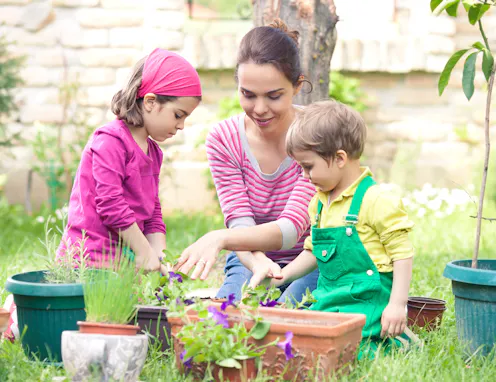
Some schools are starting to open up after the coronavirus lockdown. But what if you’re worried about sending you kids back too soon. Unschooling might be one solution, so how does it work?
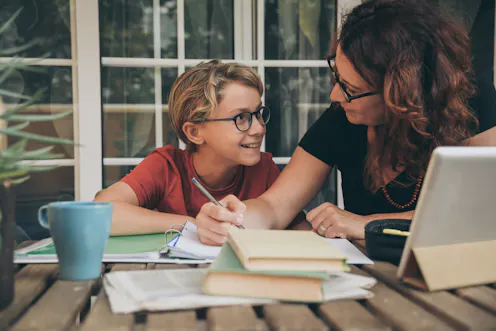
Around 20,000 students are homeschooling in Australia. It’s a different form of schooling to learning from home while schools are shut due to COVID-19. But homeschooling does provide some tips.
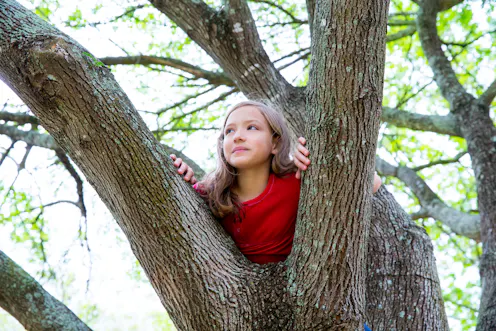
Every expert we asked talked about the importance of letting children take risks and explore in nature. But they also advised parents to supervise and set limits.
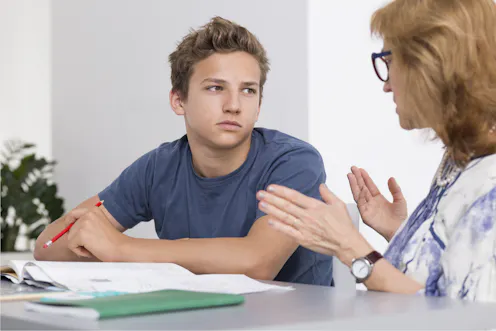
Some parents did speak of tutoring as a way of securing entry into a specific school. But they were in the minority. Most spoke of using it to help fix academic problems, temporary and ongoing.
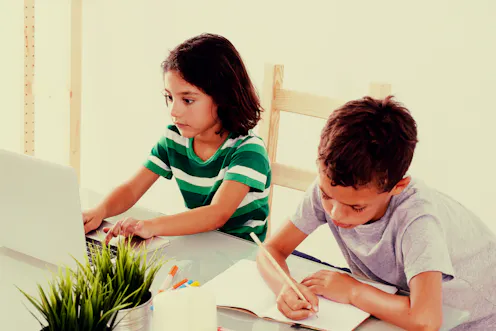
Around 20,000 Australian children are being homeschooled. Some parents do so because their child has a disability. Others may disagree with traditional schooling methods or the social environment.

Four out of five experts said no.
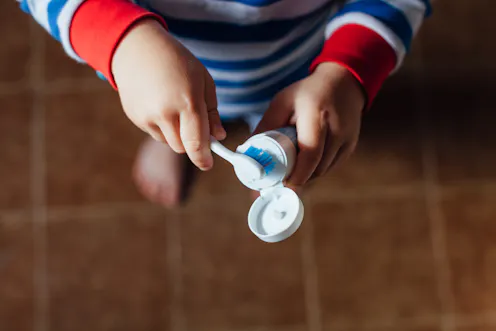
If toothbrushing is forced form a young age, kids can become resistant to dental care practices. Make it fun.
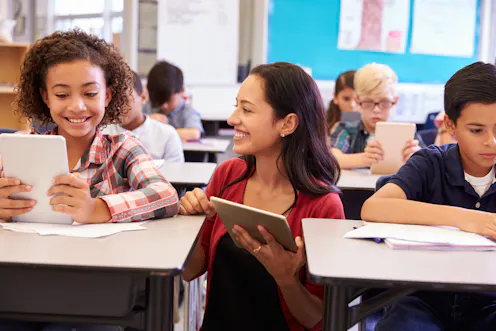
Democratic schools already employ some of the recommendations from the Gonski report, chief among them individualisation of teaching.
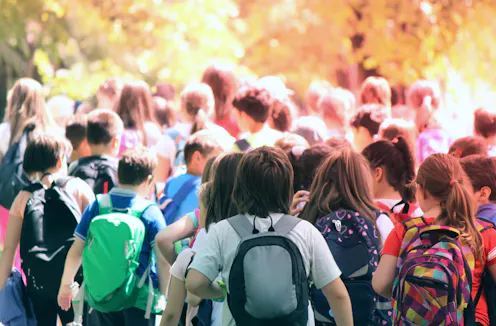
While cutting the long summer holidays would help working parents, it may not be so great for teachers who need to plan and do professional development, and kids who need a rest.
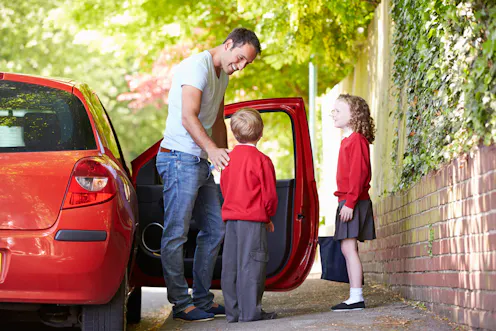
Encouraging positive associations with school, good temperament and keeping communication open between parents, children and teachers can help your child (and you) be more ready for this transition.
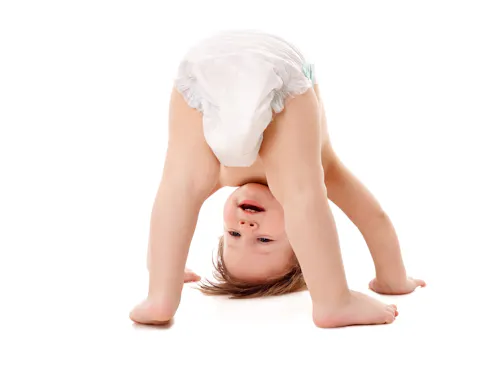
An increasing number of parents are choosing to toilet train their children from birth, without using nappies. But how effective is this?
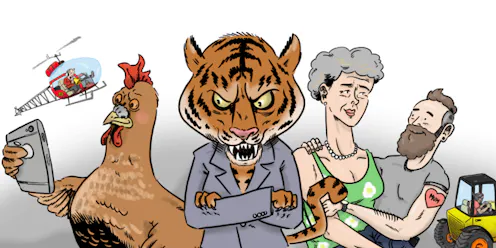
Is being a pushy parent good? It is helpful to protect your child in ways that mean they don’t fail? Here’s what the research says.
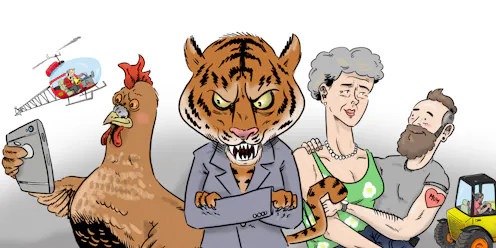
Is being a pushy parent good? It is helpful to protect your child in ways that mean they don’t fail? Here’s what the research says.
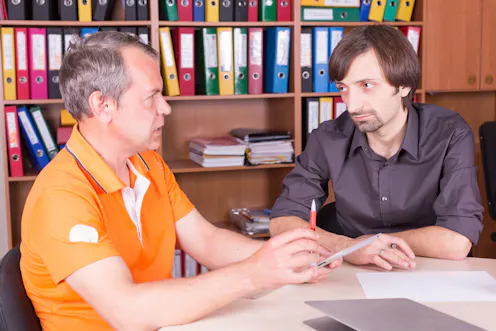
As the new school year begins, here’s some advice for how parents and teachers can get off on the right foot.
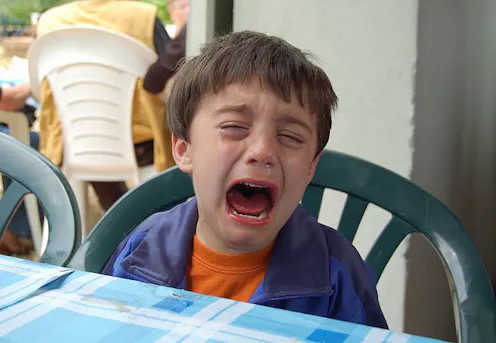
Discipline is necessary for children, but we need to teach them to self-discipline, not bribe them to be good.
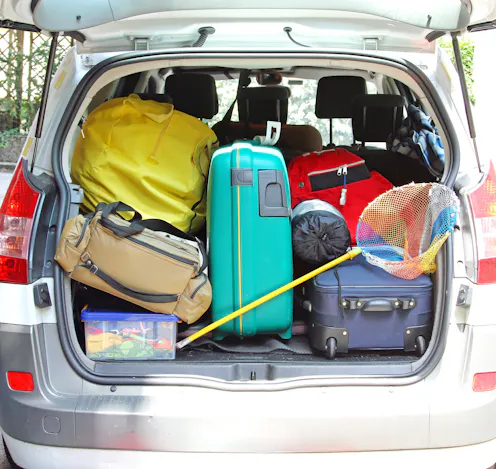
Cracking down on family holidays during term time is based on evidence saying absenteeism has an adverse effect on school results. But is this based on absenteeism, or the reason the child is absent?
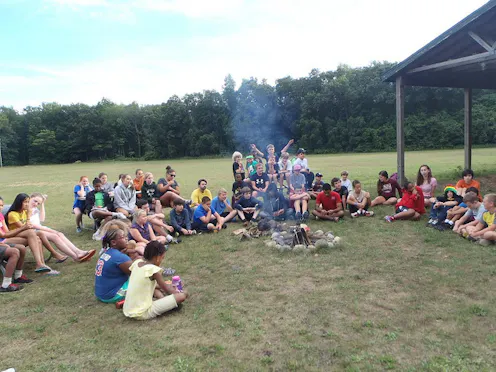
Summer camps popular in the US are said to stop the summer “learning slide”, which is particularly important for low socio-economic children. But camps can also be quite expensive. So should we adopt the practice here?
Contact Rebecca for
- General
- Media request
- Speaking request
- Consulting / Advising
- Research collaboration
- Research supervision
- Website
- Article Feed
- ORCID
-
- Joined
