

Partnerships need to grapple with the tension between what to preserve and what to change rather than be paralysed by it.
- Professor, University of Cape Town

Polluting companies in South Africa have had to pay a tax on their carbon emissions since 2019. This gives them a good incentive to reduce emissions.

We considered many different explanations for why some dialogue processes were more successful than others.

There is a need for democratic participation in designing and implementing social innovations for climate adaptation.

Development agencies should be careful about creating tensions between existing cultural norms and new concepts and behaviours they are introducing.
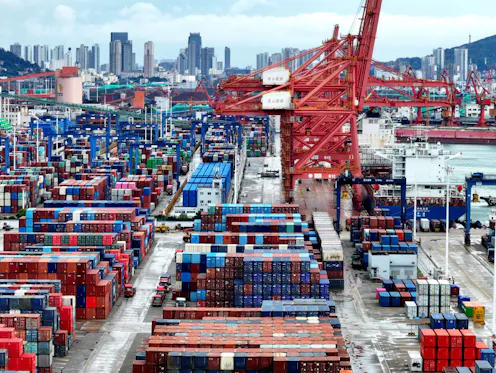
There needs to be a shift in sustainable supply chain management to go beyond minimising harm to proactive regeneration.

Répondre aux défis sociétaux et promouvoir le développement durable sont une préoccupation particulièrement urgente pour les universités africaines.

Responding to societal challenges and promoting sustainable development is an especially pressing concern for African universities.

It is useful to recognise why companies either restrict or strengthen their sustainability efforts in response to a crisis.
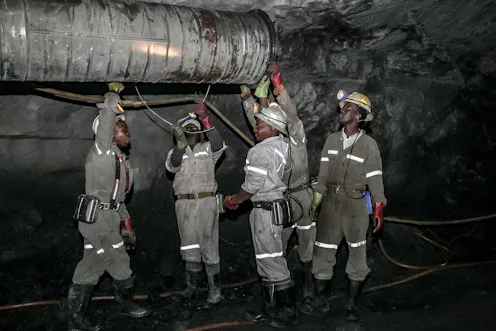
There’s a significant variation in how companies, including multinationals, respond to South Africa’s black economic empowerment policies.

An enabling approach was more likely to create attitudes among suppliers that were conducive to learning.

There is a need to be alive to tensions between short- and long-term objectives, as well as the assumptions we hold around what we consider to be “better” and how to achieve it.
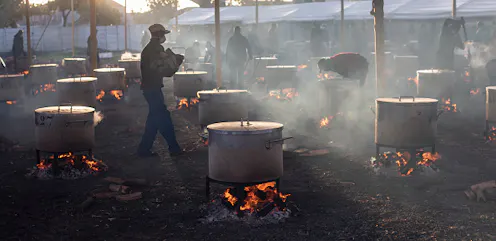
Civil society activists responding to the COVID-19 social crisis face important challenges and tensions. They should tackle these choices head-on as they develop longer-term plans.
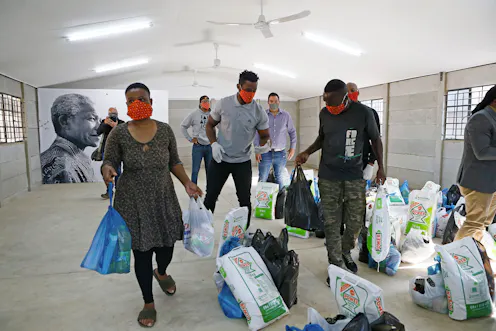
More effort must go into building synergies between emergent local efforts and the government response.

COVID-19 has brought to the fore the interdependency of business and society. It’s time for amendments to the social contract that underlies societal support for business.

Academics face the choice of becoming a colony of the Northern mainstream or retreating into a Southern “indigenous” enclave. Both should be resisted.

Companies can make a significant contribution to the resilience of communities, and they need not do so only for philanthropic or regulatory reasons. At times, it makes good business sense.

A lesson from the 2012 massacre of mineworkers is the need for government to retain its role as primary governance agent, enforcing clear rules and ensuring the provision of public goods and services.

Developing country governments need to give attention to the risks associated with new technologies and develop context-specific responses.

Mining proposals are often hugely controversial in South Africa and can even lead to violence. Better strategic assessments based on participation and precaution would help.

The broad principle of companies, government bodies and universities divesting from oil, gas and coal companies is sound. But its application needs more sophistication.
Contact Ralph for
- General
- Media request
- Speaking request
- Consulting / Advising
- Research collaboration
- Research supervision
- Article Feed
- ORCID
- Joined
