

Rooibos herbal tea was first farmed by Indigenous South Africans who were forced off their land during apartheid.
- Professor and DSTI/NRF SARChI Bio-economy Research Chair, University of Cape Town
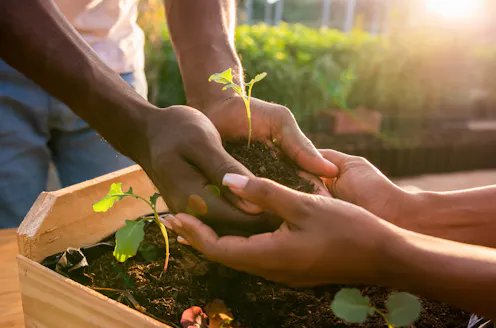
Clearing huge tracts of land to plant one crop like maize has degraded land and put healthy food out of the reach of ordinary people. A new book has solutions.

Financial links between corporations and health research invariably lead to conflicts of interest.
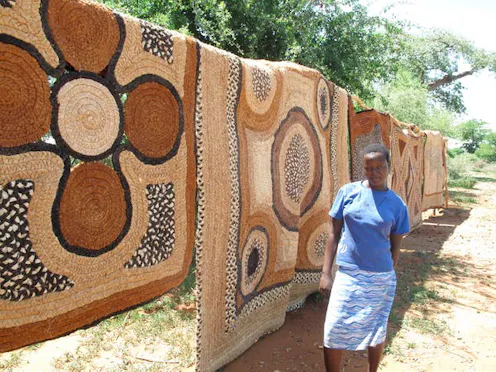
As the world deals with COVID-19, the sustainable use of wild species is a critical coping and resilience strategy.
CC BY-NC-ND6.4 MB (download)
Developing countries present an opportunity for agroecological innovations to help small-scale farmers.
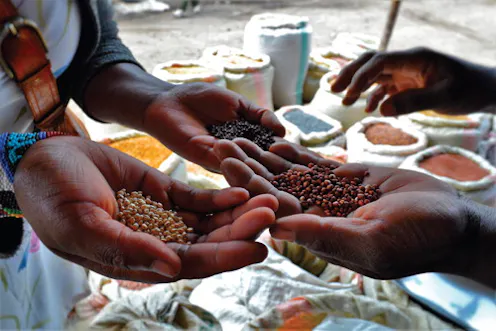
Developing countries could leapfrog industrial agriculture systems by moving to agroecology.
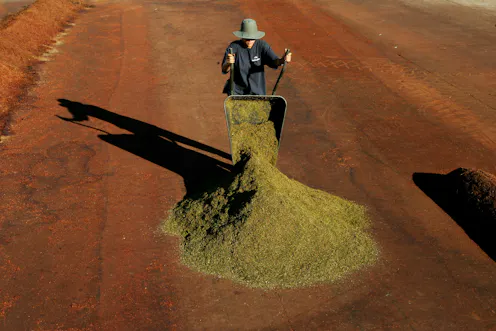
The rooibos industry has been accompanied by dispossession and adversity stretching back over centuries.
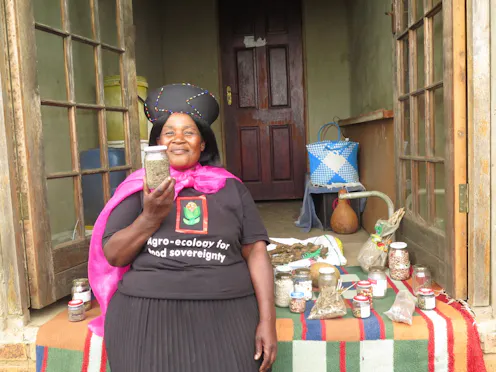
Since 2000, the growth of the commercial seed market has almost tripled. More than 63% of the world’s commercial seed is now owned by six corporations.

Good models have been developed to ensure benefit sharing in the biodiversity business. But major challenges prevent developing countries from translating this into social justice.
Contact Rachel for
- General
- Media request
- Speaking request
- Consulting / Advising
- Research collaboration
- Research supervision
- Location: Cape Town
- Website
- LinkedIn: rachel-wynberg-93062650/
- Article Feed
- ORCID
- Joined
