
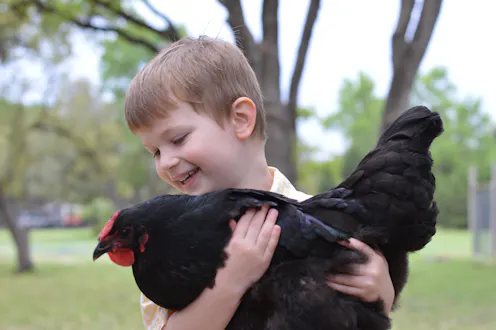
Research has found people see backyard chickens as pets – but wouldn’t take them to the vet. It raises important questions about how we relate to the non-human world.
- Professor and Chair of Philosophy, Wageningen University
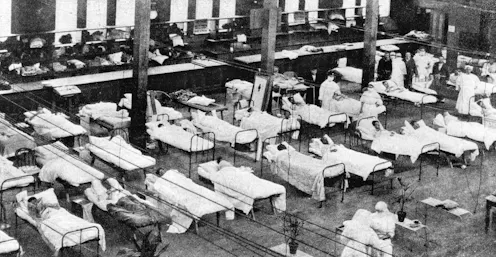
COVID-19 presents a social as well as a medical crisis, and we will need many different kinds of expertise to survive it

Margarine makers once had to colour their product pink. Calls to restrict the use of the word milk are similarly protectionist.
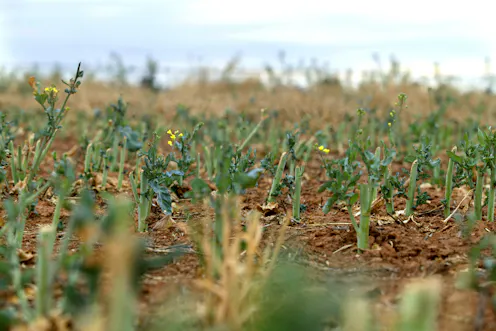
South Australia has lifted its moratorium on GM crops, while Tasmania has extended its ban. But the question should no longer be a simple binary of being “for” or “against” GM technology.
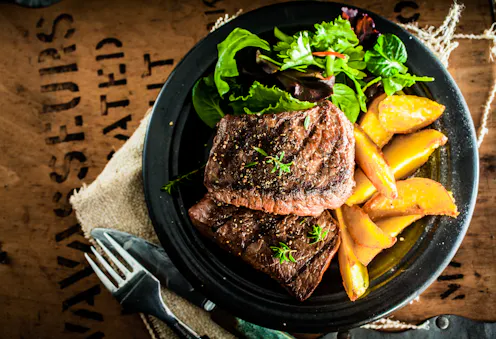
With the rising influence of celebrity chefs around the world, do restaurants have responsibilities to promote more ethical forms of eating?
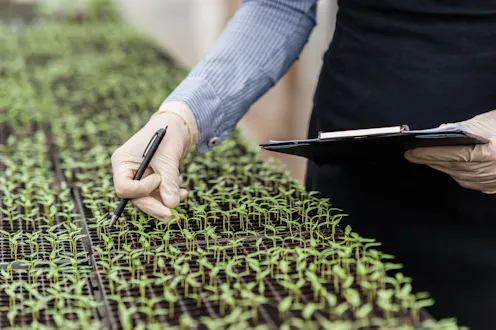
Synthetic biology is highly promising – but if we don’t get the regulation and engagement right, we risk alienating members of the public, and may even close doors for potentially fruitful research.

Mobilising value from science and technology needs help from thinkers, designers, makers, policymakers and enablers – and this expertise often sits in the humanities, arts and social sciences domain.
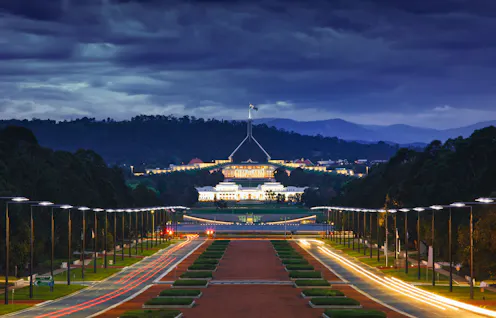
Starting February 14, the Science Meets Parliament event brings clear benefits - but there’s a case to be made for an ongoing effort in “Science Listens, Engages, and Collaborates with the Public.”
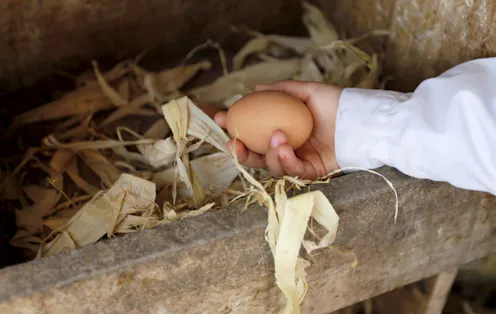
Many shoppers choose free-range eggs because they think they are tastier and healthier, rather than being motivated purely by concerns for hens’ welfare, a new study has found.
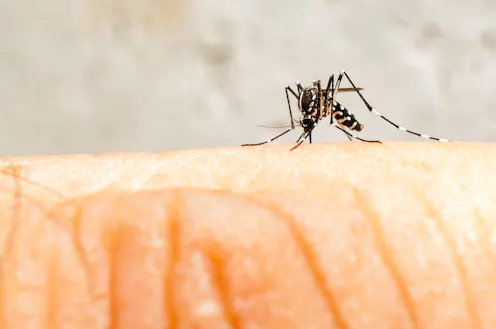
A broad process of communication and consultation should be initiated before gene drives are applied to control pests and diseases in Australia.

Informing people about genetically modified food means more than dumping more facts on them.
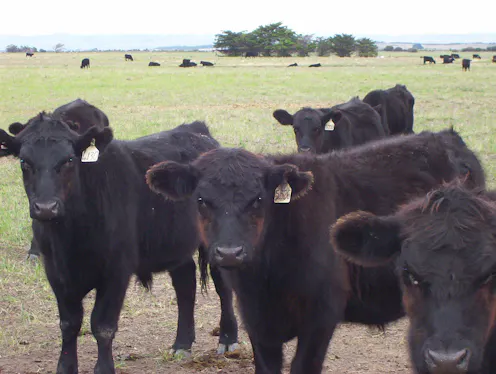
A new SBS doco will spark more questions about if and how we should eat meat.

Locavore, freegan, kangatarian, flexitarian … what we eat has become a moral minefield. Religions have long enforced food-related prohibitions, but in a secular context we could do with a little less moralising at the kitchen table.
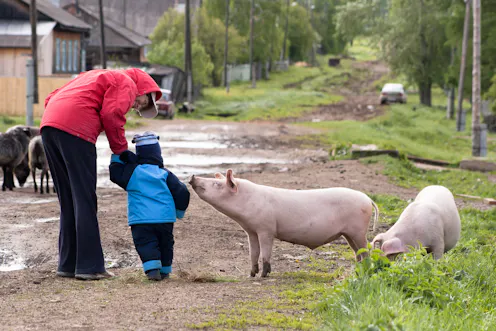
We’re a nation of meat eaters but city dwellers may have trouble discussing the origin of a steak with their offspring. And though there are programs teaching children how vegetables grow, there aren’t too many that involve raising an animal for food.
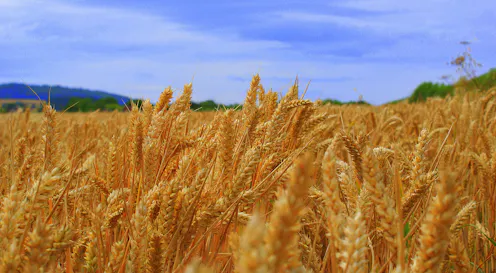
By embracing science and technology, Australia’s agricultural industry could be more efficient, productive and sustainable.

In this final instalment of GM in Australia – a series looking at the facts, ethics, regulations and research into genetically modified crops – Heather Bray and Rachel Ankeny explore the murky world of…
Contact Rachel for
- General
- Media request
- Speaking request
- Consulting / Advising
- Research collaboration
- Research supervision
- Location: Wageningen, The Netherlands & Adelaide, Australia
- Website
- X (formerly Twitter): @ankeny_rachel
- Article Feed
- ORCID
- Joined
