
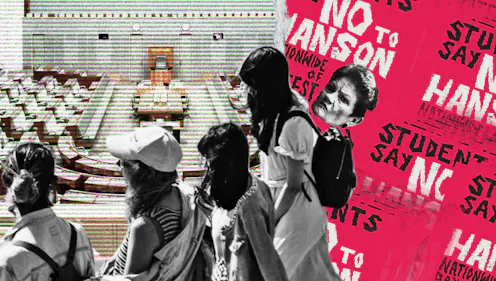
The argument that young people belong in school misses an important point: children and teenagers have political and civic rights.
- Professor of Political Sociology, Institute for Culture and Society, Western Sydney University

The changing climate doesn’t just threaten younger people in the distant future, it’s happening now at a massive scale. But we can turn it around.
A new report on consultations with more than 1,000 Australians aged 12 to 25 shows how many feel excluded from society – and how to fix it.

21-year-old Charlotte Walker has made history. With huge challenges facing young people, better youth representation in politics is just what we need.

Young people will play a key role in the outcome of the next federal election. Research shows justice and environment are among their top priorities.
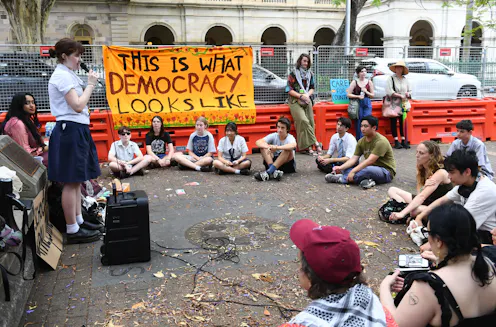
In a new civics report, only 28% of Australian Year 10 students met the ‘proficient standard’ in 2024 compared to 38% in 2019.

Addressing urgent and complex problems such as climate change involves research across the full spectrum of society – and that includes Australia’s young people.

While community transmission remains a challenge, we must understand the effects the pandemic is having on younger adults to design effective public health responses and messaging.
New research shows that, contrary to popular belief, young people are anxious about the impact of coronavirus on their own lives and on their communities.

People under 18 can leave school, get a job, drive a car and pay taxes. Should they be allowed to vote too?
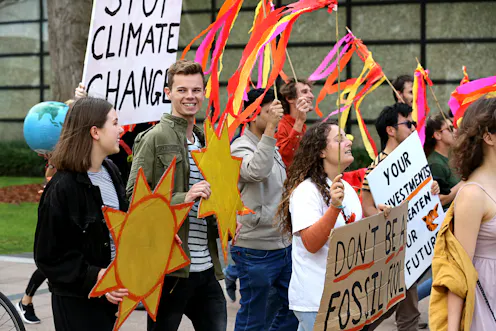
There are more than 1.3 million young Australian voters in NSW, but they feel excluded from traditional politics. To win the youth vote, politicians must address the key issues that matter to them.

Many parents are fearful about their children being online. Messaging services for children could help both kids and parents learn how to communicate safely and respectfully in the digital space.
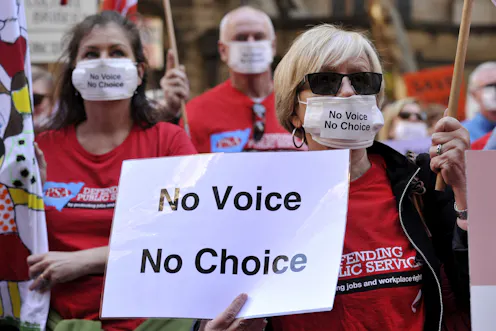
Good governance is the right thing to do, and boosts the legitimacy of decision-making. If moral chivalry doesn’t appeal, here are two more reasons: it’s cost-efficient and delivers better solutions.

Concern about youth electoral enrolment is framed the wrong way. It usually suggests that young people are somehow deficient and that they – and not the political culture – are the problem.
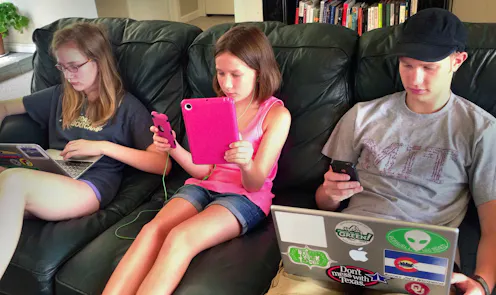
The media often paints social media as a dangerous place for young people, but the reality is far more complex and nuanced.

Lack of youth involvement in politics is often attributed to lack of interest. But my research indicates the bigger barrier is government capacity to listen to and work with young people’s views.

Prime Minister Julia Gillard has called on Twitter to join other social media companies that have agreed to a protocol to help deal with cyber bullying. The Prime Minister was speaking after the launch…
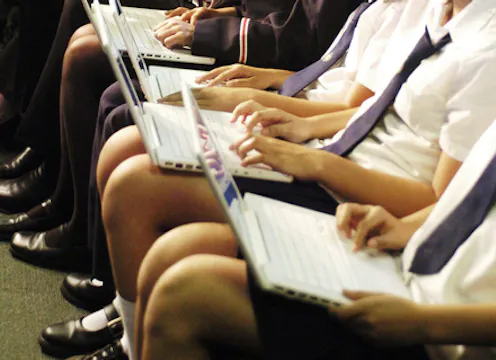
We know that most fears about cybersafety originate from a lack of understanding. We also know that social networking is a mystery to many people outside of Generation Y. So it should not come as a surprise…
Contact Philippa for
- General
- Media request
- Speaking request
- Consulting / Advising
- Research collaboration
- Research supervision
- Location: Sydney, Australia
- Website
- X (formerly Twitter): @PhilippaCollin
- Article Feed
- ORCID
- Joined
