

One quarter of Australian workers have no paid sick leave. They are more likely than most to work in service industries, dealing with people face to face.

Many people enter and leave Newstart quickly. But most of those on it have been on it for a long time.
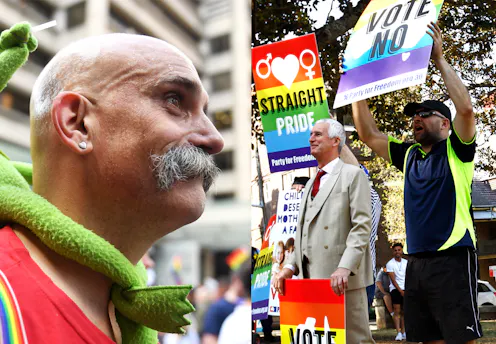
The government is spruiking its commitment to religious freedom and freedom of speech, as well as its successes on tackling inequality. Its record, however, leaves much to be desired.

Budgets will increasingly acknowledge that welfare is about us, rather than us versus them.
Fixing Newstart isn’t enough. We need a comprehensive inquiry into our complex and bewildering social security system, especially as it applies to single parents.
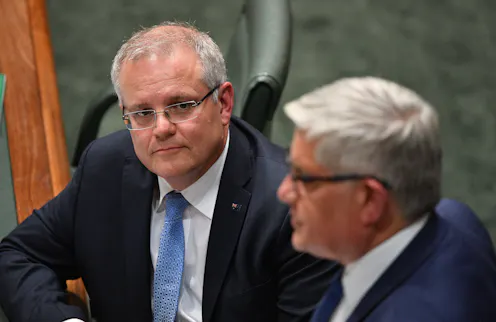
Prime Minister Scott Morrison has defended the Coalition’s spending on aged care as preparations for a Royal Commission into the sector get underway. We asked the experts to crunch the numbers.

Its extremely common, everywhere, for large numbers of people to pay no net tax. It tells us nothing about the size of the welfare state or about whether it bribes people to keep tax high.

The press said the Productivity Commission found that all of us are better off. It didn’t.

The Australian Bureau of Statistics’ latest analysis of the impact of government benefits and taxes on household income shows this reduces income inequality by more than 40% in Australia.
When it comes to incomes, millennials in Australia haven’t fallen behind.

The latest data from the Australian Bureau of Statistics shows inequality declining slightly as overall incomes stagnate.

The two major sources of data show conflicting trends on income inequality.

Social Services Minister Christian Porter told Q&A that ‘rates of drug use amongst unemployed are 2.5 times higher than amongst employed people’. Is that correct?
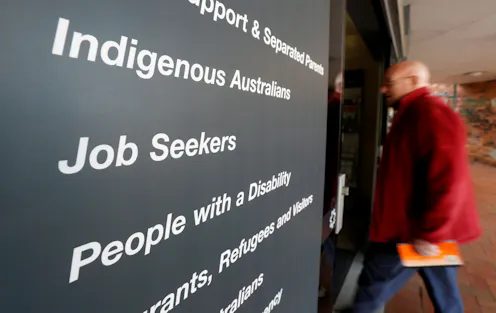
The government is reinforcing the dichotomy between “them” and “us” with this budget’s welfare changes, but it lacks solid evidence of effectiveness.
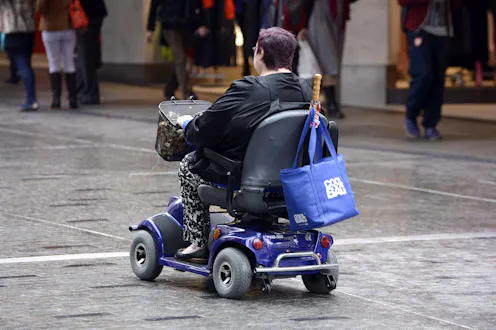
If you look at past budgets, the proposed cuts in social security programs are disproportionate to the amount the government spends.
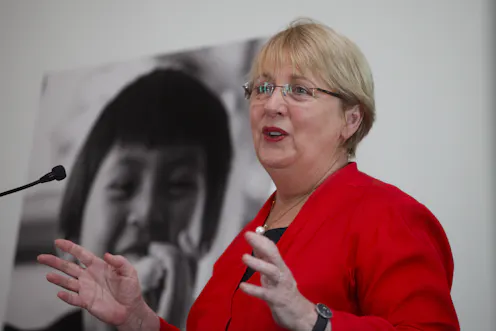
Labor’s Jenny Macklin said that under a Coalition proposal, Australia would have the highest pension age in the developed world. Is that right?
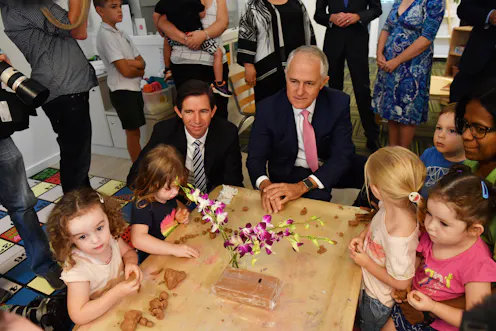
By far the most significant projected savings in the government’s omnibus bill is the phasing out of end-of-year supplements for family tax benefit recipients.

According to the latest Oxfam report, the richest eight people in the world are as wealthy as the bottom 50% of the world’s population. But let’s scrutinise these numbers a bit more.
Centrelink’s debt recovery problems reflect an over-simplistic application of policy to the complexity of workers’ lives in a flexible labour market.
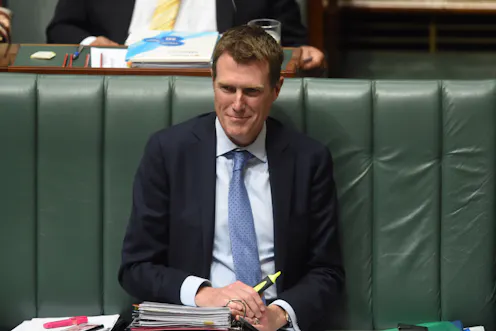
The proof of whether an investment approach to welfare actually does improve outcomes for the disadvantaged is still some years down the track.
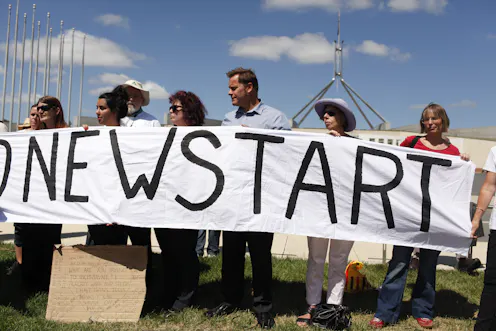
The Asylum Seeker Resource Centre’s Kon Karapanagiotidis said that what a politician can claim for a one night stay in Canberra is equivalent to an entire week on Newstart. Is that true?
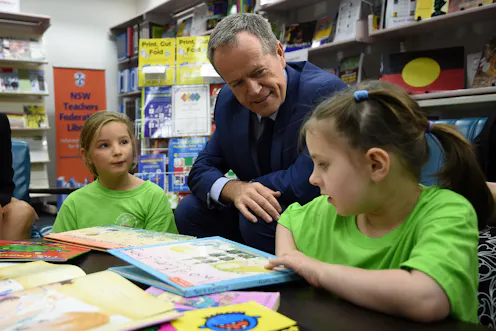
Labor’s proposed reform of family benefits will impact on higher income families.
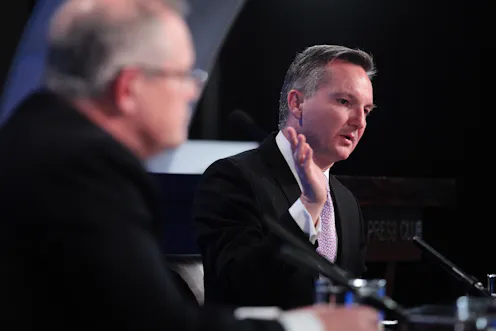
Was Shadow Treasurer Chris Bowen right to say that the Coalition presided over the most sustained fall in our living standards since records began?
ACOSS chief executive Cassandra Goldie said that the level of unemployment payment hasn’t been increased in Australia in over 20 years. Is that true?
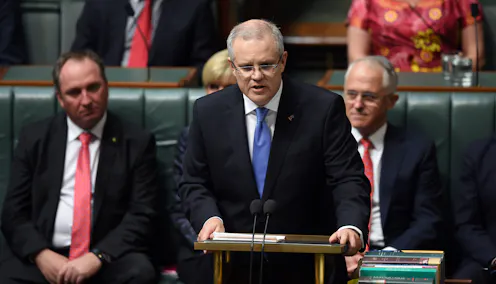
On reform, the 2016-17 budget is a holding one, with tinkering on the sides.
Contact Peter for
- General
- Media request
- Speaking request
- Consulting / Advising
- Research collaboration
- Research supervision
- Location: Canberra, Australia
- Website
- X (formerly Twitter): @whitefordpeter
- Article Feed
- ORCID
- Joined

