

A new report looks at poverty and deprivation across the country since 2010. Disadvantage is becoming more entrenched and severe.
Research shows a possible return to society of $1.24 for every dollar invested in increasing the JobSeeker rate.
Rick Morton brings complex evidence into an accessible format for the public – and policy makers – to understand.

Unemployment and related payments for working-age people were given a welcome boost in last year’s budget. But they remain well below pensions, and far from adequate.
The Institute of Public Affairs says 425,000 more Australians are on welfare than in 2018, but it has double-counted some Australians and left out others.

The JobSeeker payment is set to increase by an extra $40 a fortnight from September, but only if the budget measure gets through parliament.
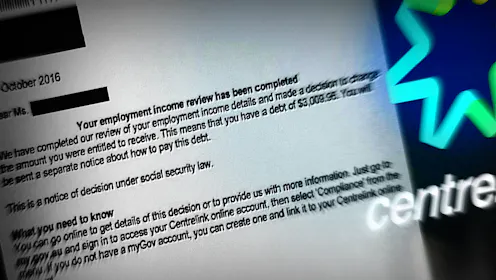
Robodebt affected hundreds of thousands of people and undercut trust in our political and social welfare systems. Unless we act on today’s royal commission report, something like it will happen again.

Lifting Australia’s retirement age happened with little protest. But it hits some more than others: especially Indigenous men and women, and tens of thousands of older people pushed onto JobSeeker.
My new report for the royal commission examines why the practice of income averaging is so problematic.
Important details are lacking in how the Perrottet government’s promise of a ‘Kids Future Fund’ will work. Here’s what we know.
Compared with other OECD nations, Australians pay much less tax than some headline statistics suggest.
You might be surprised to know that many unemployed Australians are not on unemployment benefits. And then came COVID – which saw a big shift in how many people were able and willing to claim.
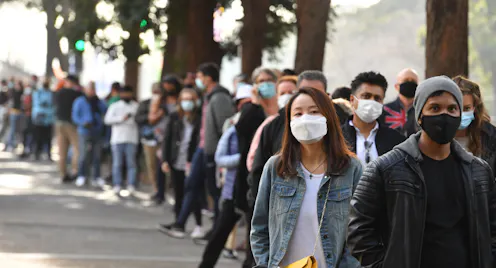
Even with the latest small increase, JobSeeker remains low by overseas standards – and, on one measure, it’s the lowest in the OECD.
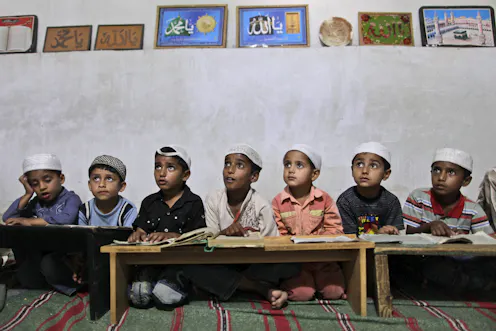
Madrassas don’t just provide an education that may lead to terrorism. They provide critical financial support to impoverished people.
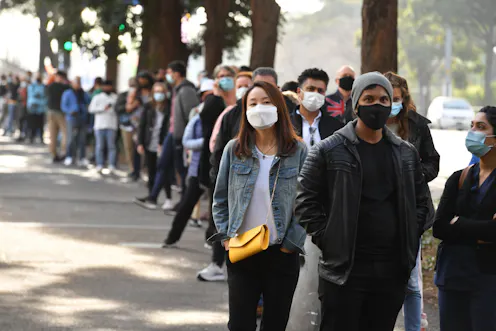
JobKeeper and the Coronavirus Supplement ended earlier this year. But the last few months in have shown the COVID crisis is far from over in Australia.
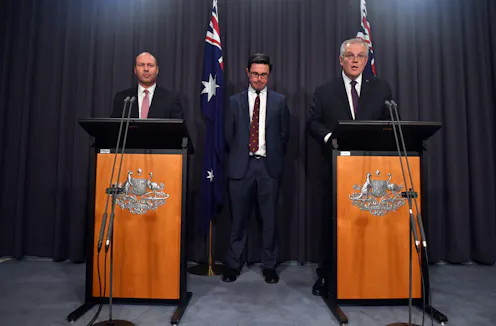
The Morrison government announced the payment on Thursday. A significant group of Australians will not be eligible to apply.

Any permanent increase is welcome, but there’s a long way to go.
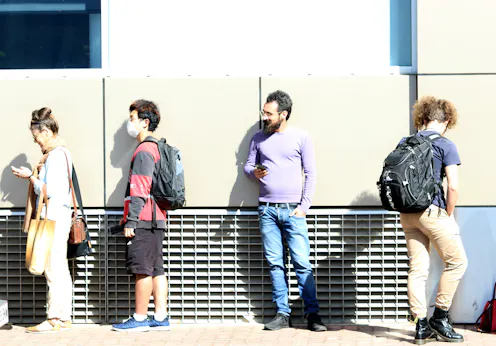
A new study highlights significant misunderstandings about the scale and scope of Australians who receive unemployment payments.
The combination of community activism, journalistic investigation, political scrutiny and the legal aid system has ultimately provided a remedy to the victims.
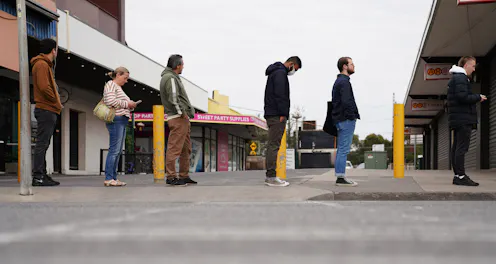
New analysis shows there is considerable scope to increase JobSeeker payments before they might hinder people’s motivation to find paid work.

Pensions are indexed twice a year. But COVID-19 has put a spanner in the works of what should be a regular increase next month.
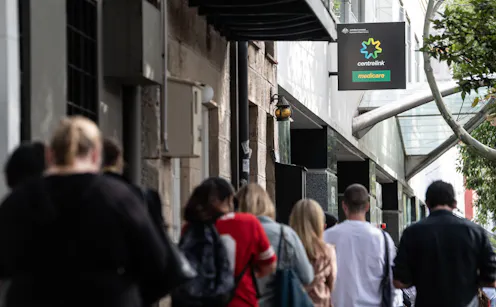
The Morrison government says the Coronavirus Supplement won’t last forever. This means JobSeeker Payment will need a huge boost to keep people out of poverty.

Almost 37% of Australian workers do not have paid sick leave. We need to fix this if we want people not to turn up to work when sick during the coronavirus pandemic.
Many temporary residents will be excluded from coronavirus support. In this open letter to the prime minister, 43 leading Australian experts on social policy argue this is in no-one’s interests.

Australia’s unemployment benefits are now middle of the pack, but the package treats two-income couples badly.
Contact Peter for
- General
- Media request
- Speaking request
- Consulting / Advising
- Research collaboration
- Research supervision
- Location: Canberra, Australia
- Website
- X (formerly Twitter): @whitefordpeter
- Article Feed
- ORCID
- Joined

