
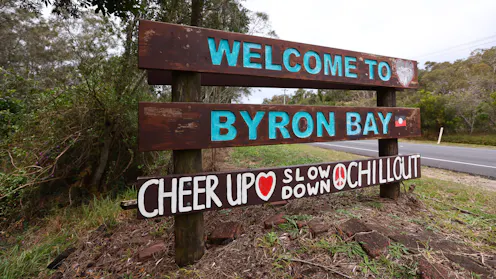
There are some promising results for local residents from different states’ approaches.
- Emeritus Professor, Urban Planning and Policy, University of Sydney
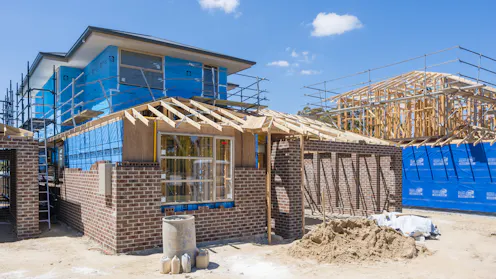
The government wants to cut red tape to improve housing supply. But homes will only become more affordable if other changes are also adopted, including tax reform.

We know what needs to be done, but it depends on the political will to act. And some states and territories have failed to adopt actions to improve housing quality that were agreed in 2022.

Other states may well follow Victoria’s lead, but the 7.5% levy is likely to have a very modest impact on rental housing supply. There’s much more governments could do.

Australia is very ‘light touch’ when it comes to regulating Airbnb. The current housing crisis demands a new approach, informed by overseas success stories.
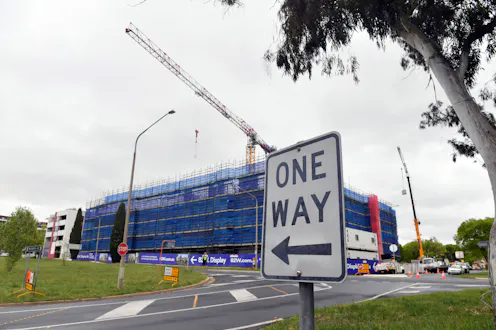
While the Productivity Commission’s critique of the national housing agreement is justified, its faith in the market is not. The Albanese government is right to invest in building social housing.

Analysis of online listings on common online platforms shows even modest reductions in Airbnb listings increased supply of longer-term rentals. The result was lower local rents.
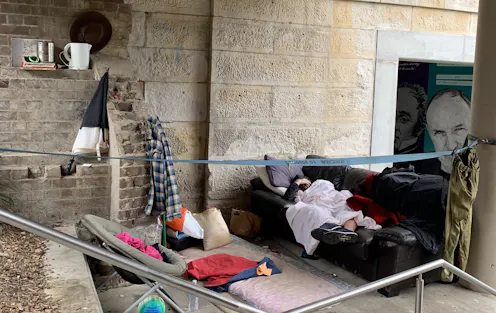
Improving the housing conditions of the most marginalised people among us is an important biosecurity measure for the whole community.

The clichés about housing supply and regulatory restraints are distractions from the need to focus on expanding the affordable housing sector to directly meet the needs of low-income households.
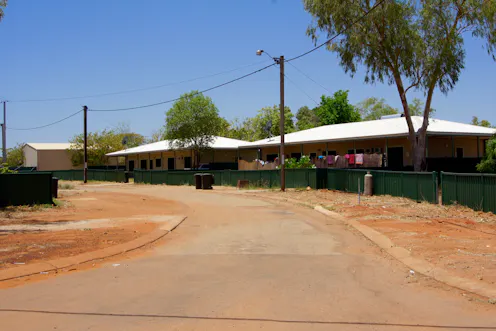
Decent housing underpins the Closing the Gap goals, with a decade-long national remote housing program having made measurable progress. If the Commonwealth pulls out now, hard-won gains could be lost.
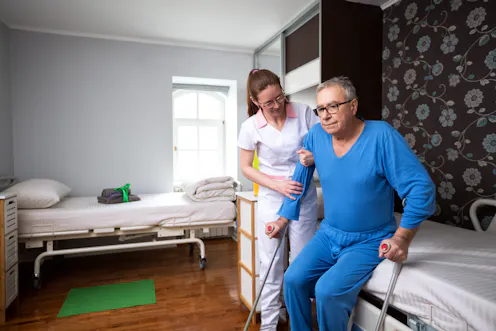
People on moderate incomes, including police and emergency workers, have been forced to seek housing on the city fringes, far from their places of work. But there are ways to reverse this trend.
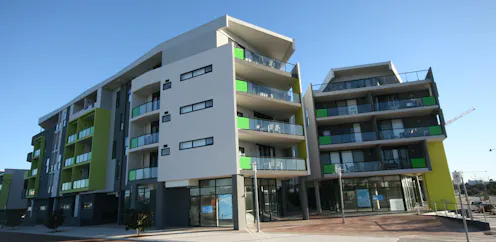
The states that are delivering more affordable housing have sophisticated, multi-pronged strategies to serve the full range of needs.
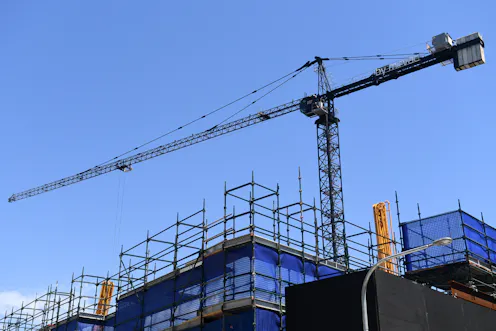
About 84% of cranes in Australia are used on residential sites, with commercial projects making up 5% of crane activity. Health, education, infrastructure and recreation projects make up the rest.

Without proper planning, legalising Airbnb may make housing even more unavailable and unaffordable in high-demand suburbs.
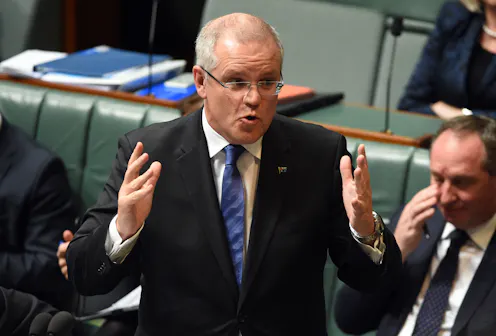
The housing supply solution our leaders are advocating will only work if affordability is simply a problem of supply. In fact, Australia is almost a world leader in rates of new housing production.
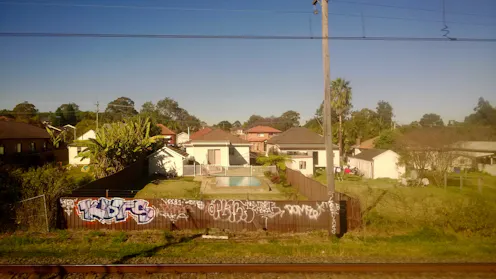
Our big cities increase incomes faster than population growth, but most residents miss out on the extra income growth. Creating multiple centres of activity may help make bigger better for everyone.
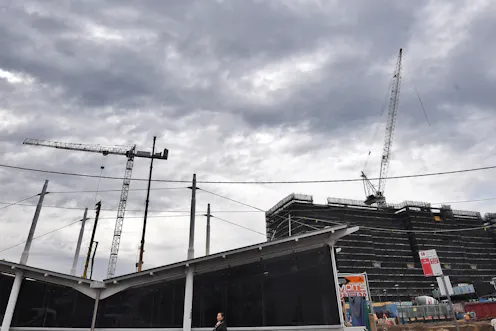
To tout new housing production as the only solution to rising house prices, without examining the question of demand, is an ineffective policy position.
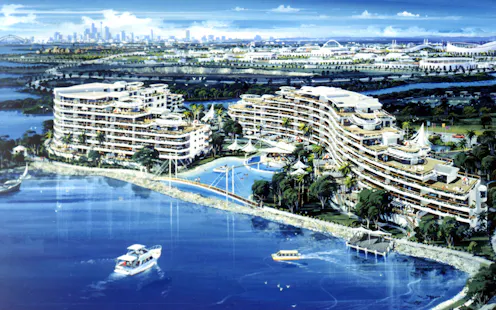
The community needs affordable housing and that requires meaningful targets for new developments. The only ones who will lose out are landholders who make windfall profits from rezoning.

Income poverty statistics tell us relatively little about why Australian children live in poverty, or how to alleviate it. But housing plays a critical part in the problem.
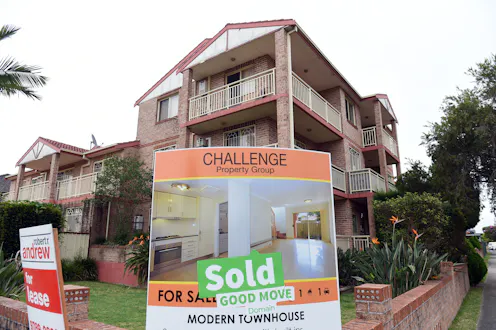
The Property Council of Australia, a lobby group representing the biggest real estate developers, has shaped election debate about negative gearing and some taxes.
The default position for politicians is to sound concerned about housing affordability, but do nothing. This can be explained by the idea of ‘policy capture’, in this case by industry interests.
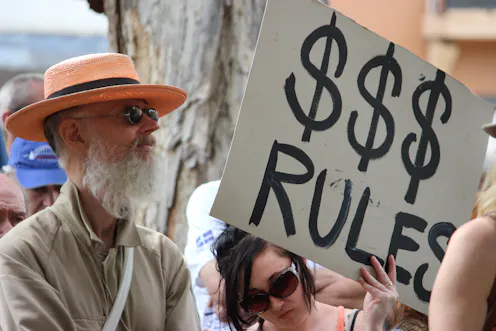
The widening cracks in Australia’s housing system can no longer be concealed. Seven leading Australian academics say this 10 point plan can help fix housing affordability.
A poster in the head office of a state planning agency claims: “Highest Housing Approvals in a decade: Keeping homes more affordable”. Indeed, the latest figures show national housing approvals rose 16…

It’s ironic that fantasy home shows are the latest genre in reality TV, at a time when affordable housing is the real fantasy for many. The format is strangely addictive – photogenic twenty somethings…
For all our talk about housing affordability, few people want house prices to drop. That’s because most Australians are home owners, and much of our wealth is stored in housing. But recent figures released…
Contact Peter for
- General
- Media request
- Speaking request
- Consulting / Advising
- Research collaboration
- Location: Hobart, Australia
- Website
- X (formerly Twitter): @peterfiz
- Article Feed
- Joined
