
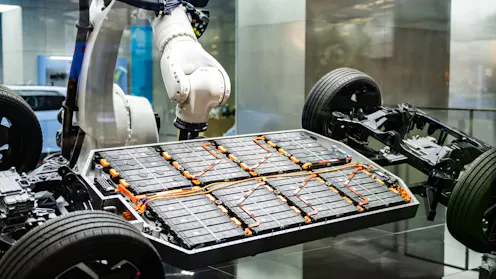
Australia stopped keeping detailed data on its vehicle fleet after the domestic car industry ended. That’s becoming an issue.
- Professor of Sustainability, Curtin University
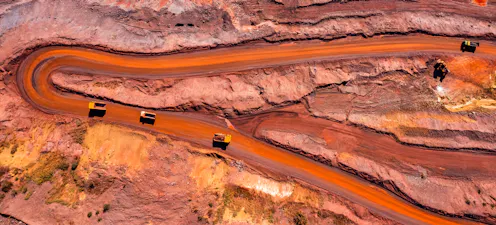
Australia could direct revenue towards electrification, not further diesel consumption.
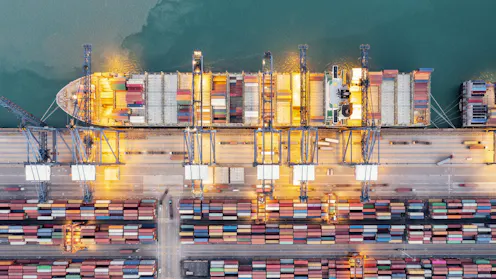
Analysts forecast China’s clean exports would plunge. But demand has surged to new heights after the Iran war
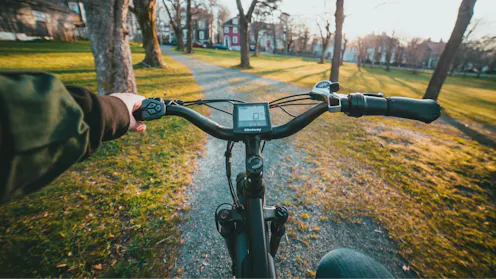
With the same fiscal support that Canberra found to back the oil industry, we could start to end our oil dependence.
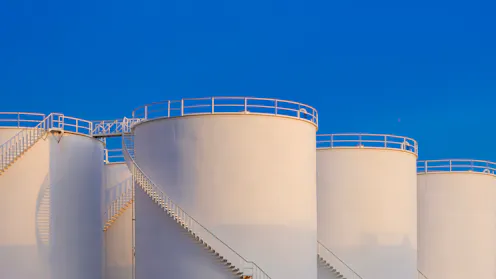
The government’s response to the fuel crisis has been to reassure us normality will resume. Amid global uncertainty, that’s not enough.
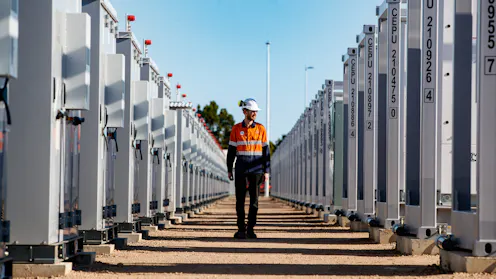
Gas was long thought to be essential as a backup for a clean energy grid. But enormous growth in grid-scale batteries has changed the game.
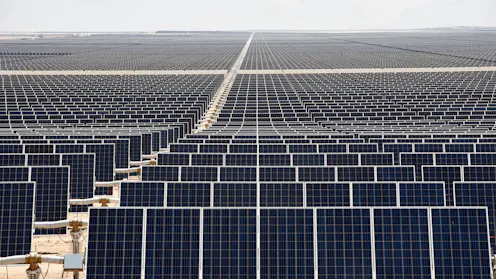
Weaning ourselves off fossil fuels is glacially slow – isn’t it? This pessimistic narrative doesn’t stack up against evidence of very rapid change in the real world.
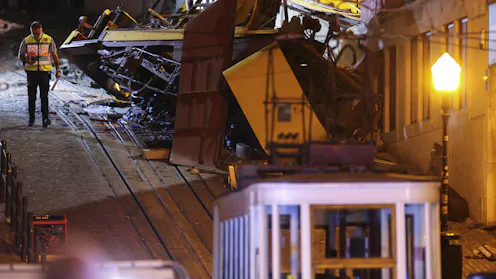
Un mortal descarrilamiento en Lisboa pone el foco de atención sobre esta reliquia del transporte del siglo XIX.
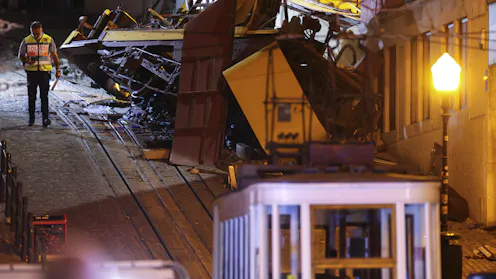
The deadly derailment has shone a spotlight on this transport relic of the 19th century.

Sodium-ion batteries are emerging as a new way to firm up the world’s electricity grids - and they could be a game-changer.
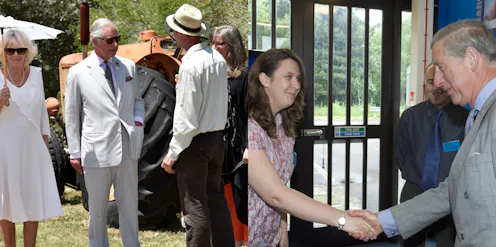
As Prince of Wales, Charles regularly met scientists to learn more about environmental research. Two Australian researchers recall encounters with the new monarch that left an impression.
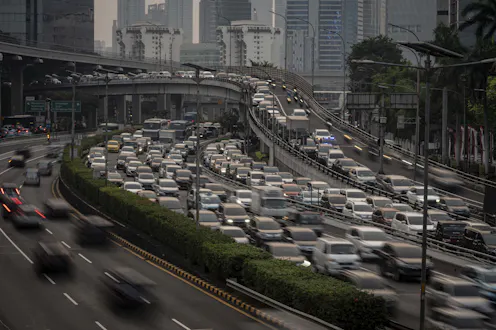
Harga BBM naik? Mari pikirkan caranya kurangi ketergantungan pada kendaraan pribadi berbahan bakar fosil.
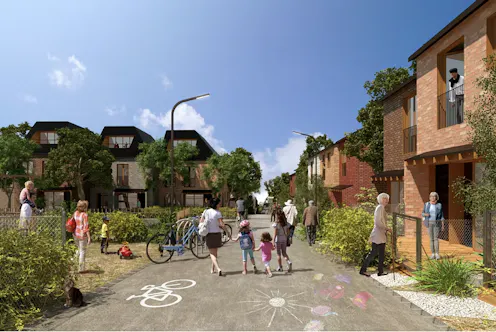
Ad hoc, lot-by-lot efforts to house more people in our ageing suburbs are failing to increase liveability and sustainability. Our cities need strategic, precinct-scale regeneration.
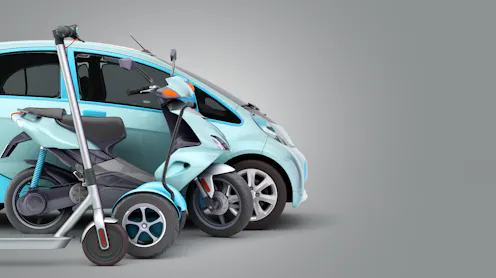
Electric cars are important - but we can now electrify all land-based transport, from buses to bikes to trucks. We need good policy settings.

Prospek pengurangan emisi global jauh lebih baik ketimbang laporan asesmen IPCC sebelumnya, berkat jatuhnya ongkos teknologi energi bersih.

The outlook for potential emissions reduction is far better than in earlier assessments, thanks to the plunging costs of clean energy technologies.
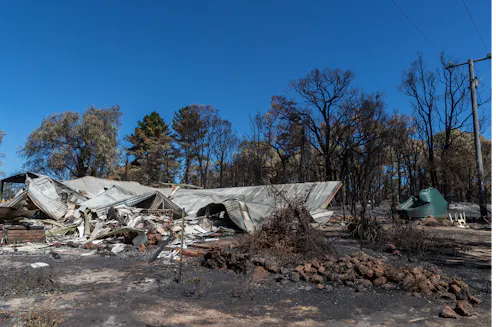
The unprecedented intensity of two summers of bushfires, first in the east and then in the west, offered harsh lessons for Australians. One is that some settlements must retreat from high-risk areas.
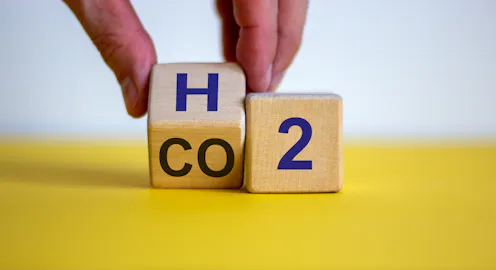
Tesla founder Elon Musk has described hydrogen-powered cars as “mind-bogglingly stupid”. So is he right?
We are now at the start of the sixth great wave in economic disruption, driven by renewables, electomobilty and smart-city technologies.
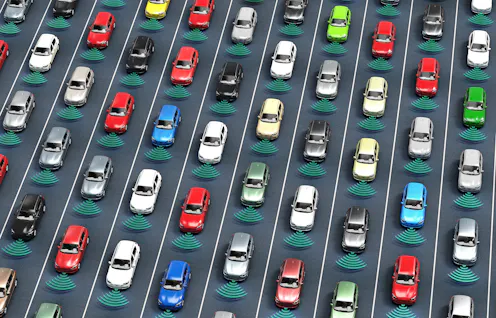
Self-driving vehicles that constantly roam the streets looking for passengers could overwhelm cities. But, if kept in check, these vehicles could be useful for improving urban transport.
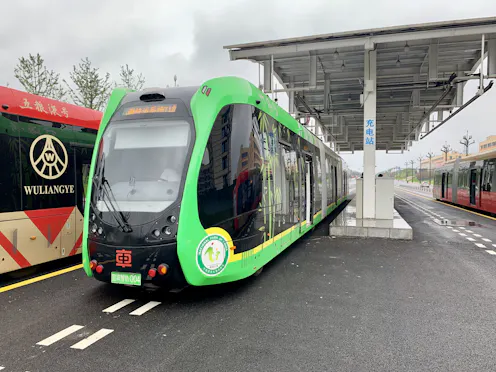
Installing light rail is costly, as Sydney has found, but it’s the gold standard for public transport along road corridors. What trackless trams can do is rapidly expand such services at low cost.

The debate about the transition away from fossil fuels has focused on costs, but right here in Australia we have examples of the benefits of sustainable new energy sources for our cities.
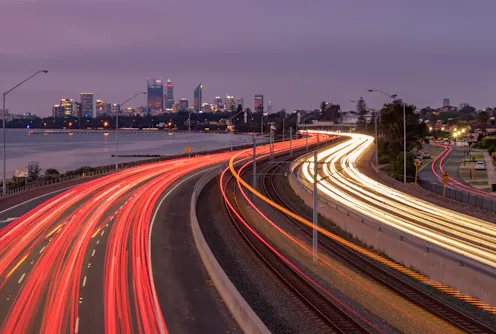
Autonomous mass transit vehicles like ‘trackless trams’ are a better bet than autonomous cars to give us people-friendly cities that capture the value created by infrastructure for the common good.

You could take the bus to work, or eat less meat. But how do you know if your efforts are making a difference? A new approach aims to break global environmental budgets down into digestible chunks.
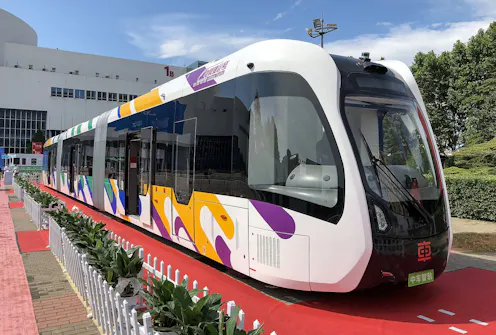
For 40 years the author has argued that trains and trams are better than buses. New ‘trackless trams’, which take innovations from high speed rail and put them in a bus, have changed his mind.
Contact Peter for
- General
- Media request
- Speaking request
- Consulting / Advising
- Research collaboration
- Research supervision
- Location: Fremantle, Australia
- Website
- X (formerly Twitter): @peternewmanCUSP
- Article Feed
- ORCID
- Joined
