

There is a lot to parody about psychiatry but this show falls short on many fronts.
- Professor of Clinical Psychology, University of Liverpool
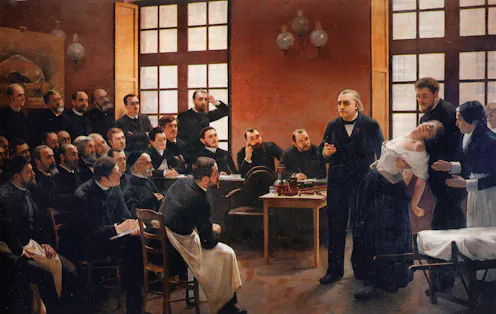
Split personality, neurotic, hysterical … these terms aren’t used by mainstream psychologists.

Three stories about researchers who have dabbled in self-experimentation – with varying results.
To complete a short survey about the podcast, please click here https://www.surveymonkey.co.uk/r/QR7WVMF

Claustrophobe, et alors ? Se sentir pris au piège dans un espace restreint n’est pas forcement pathologique, c’est même compréhensible. Sauf si elle vous empêche de vivre, laissez passer l’angoisse.

Claustrophobia is a fear of being trapped, but is it irrational?
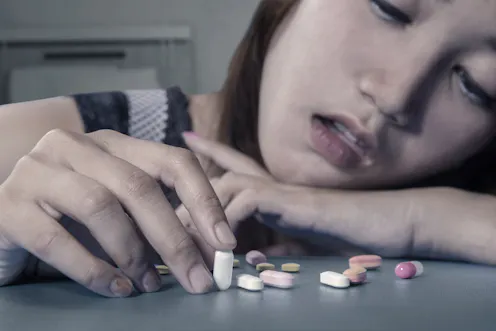
Commonly prescribed antidepressants increase the risk of suicidal thoughts in teenagers, so why isn’t this a bigger deal in drug trials?
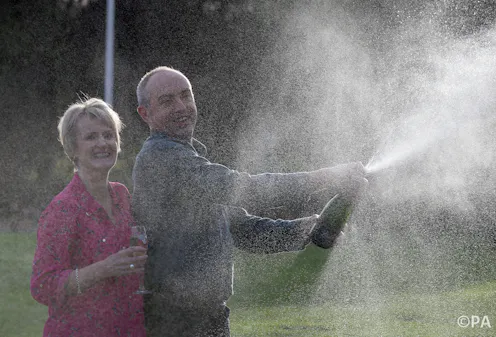
Coming into a fortune is definitely not the route to happiness. Here’s what you can do to stay chipper.

A drug to treat loneliness may be on the cards. But would we want it?

One of the experts behind the ONS’ well-being project explains why it’s so important for the government to know how you’re feeling.

Asking borrowers questions to reveal their trustworthiness is a tricky business that’s very hard to get right.

There’s great news for coffee lovers. A study has found that caffeine can help combat stress.
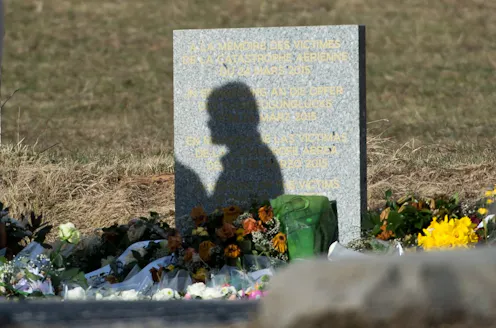
Understanding the psychology of tragedies need not involve knee-jerk prejudice.

A rich mix of genes and experience goes into the sum of us, from childhood into adulthood.

Once again, the news agenda is dominated by tragedies. A Greek ferry is stranded by fire in the Mediterranean, and an airliner is lost over the Java Sea. Both of these disasters are ongoing, so it would…

News of Robin Williams’s suicide will have taken many of us by surprise. We always feel a mix of emotions when we hear someone famous, successful, creative and much loved has been suffering unbearable…

Fears about air travel are common and entirely understandable. Human beings have not evolved to fly (beyond the fact that we have evolved brains sophisticated enough to invent aircraft). In an alien environment…

Words are powerful things, and the words we use to classify and pathologise can be powerfully negative – something I’ve argued here before. Unfortunately, psychologists use pejorative and scientifically…

The words we use help shape how we think. Poets choose their words carefully and deliberately for their emotional impact. The way we conceptualise psychological problems in therapy has echoes of the choice…

Malaysian prime minister Najib Razak has confirmed that Malaysia Airlines flight MH370 crashed in the southern Indian Ocean, with no survivors. In a press conference, Razak said new information proved…

Despite prolonged combat missions and a bigger than expected death toll in operations in Iraq and Afghanistan, soldiers are a resilient bunch when it comes to mental health – and especially those in elite…

People do a lot of unwise things at New Year. They drink too much, kiss people their better judgment would tell them to avoid, and stay out way past their bed-time. They also make New Year’s resolutions…

Movie lovers mourned the sad death of the Oscar-winning actress Joan Fontaine this week, one of Hollywood’s golden stars. A recurring theme in her obituaries was her very poor relationship with her older…

It is the events that happen in our lives that determine the state of our mental health, rather than some inherent personal inadequacy or genetic flaw.
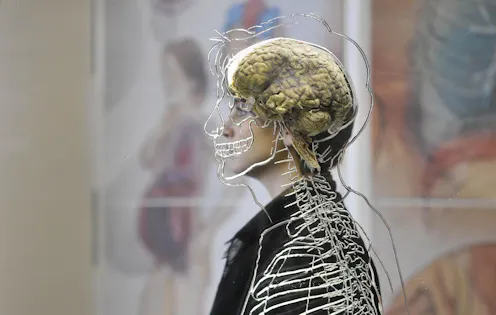
Traditional psychiatry uses the approaches of medicine to try to understand mental health problems and guide treatment. This means relying on diagnosis – identifying what are believed to be mental illnesses…
Contact Peter for
- General
- Media request
- Speaking request
- Consulting / Advising
- Research collaboration
- Research supervision
- Location: Liverpool
- Website
- X (formerly Twitter): @peterkinderman
- Article Feed
- Joined
