
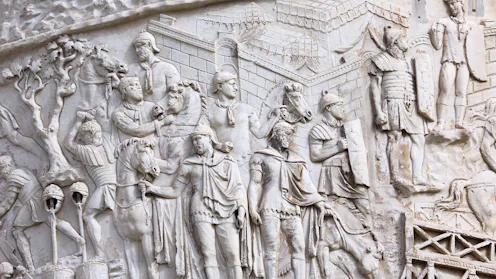
It’s an attractively neat idea. But when it came to paying Roman soldiers, coins did the job admirably.
- Associate Professor in Ancient History, Macquarie University

Pourquoi un empereur au sommet de sa puissance abandonnerait-il volontairement le trône ? Entre maladie, réformes politiques et lassitude face aux complots, l’abdication de Dioclétien continue d’intriguer les historiens.
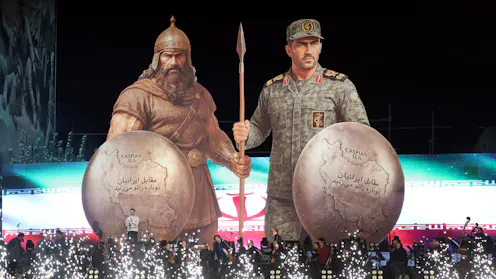
After dozens of wars between the two ancient empires of Rome and Persia, peace deals often failed to solve problems – and sometimes made the situation worse.
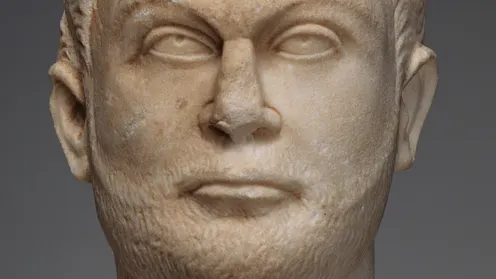
Most Roman emperors died on the job. So when the emperor Diocletian decided to abdicate and retire in March 305 CE, it was a highly unusual development.
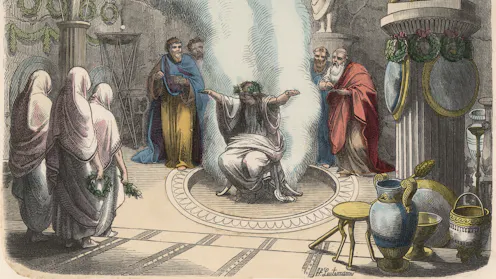
The ancient Greeks and Romans invaded Persia multiple times. The risks were high, the logistics complicated, and wars were a lot easier to start than end.
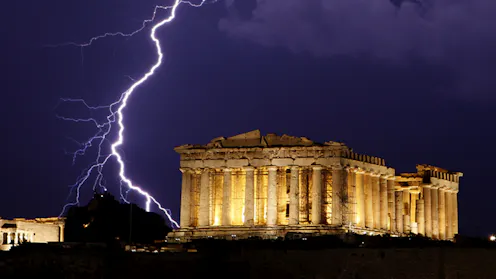
Some wondered, centuries ahead of their time, if lightning had something to do with air and clouds.
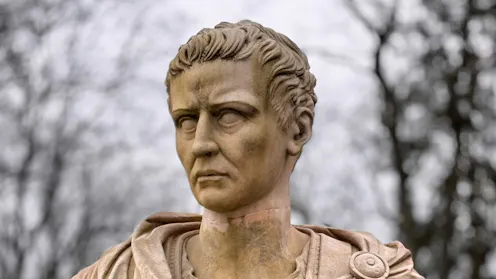
Depictions of the eccentricities of Roman leaders were (and remain) interesting. But such leaders were often also dangerous, unpredictable and frightening.
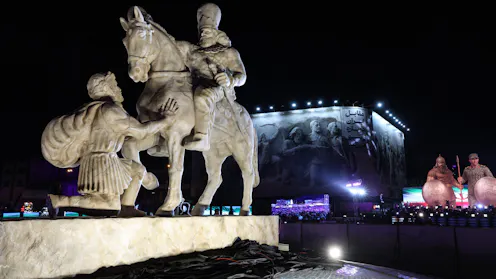
Érigée sur la place Enghelab, à Téhéran, une statue montre l’empereur romain prosterné devant Shapur Ier (qui régna autour de 242–270 apr. J.-C.). D’où vient cette imagerie ? Et pourquoi cette statue apparaît-elle maintenant ?
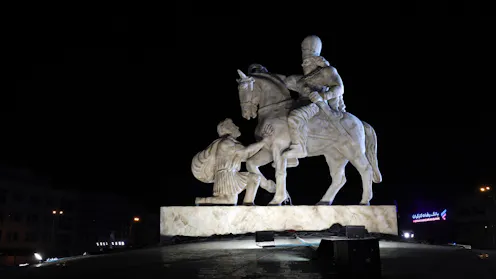
The statue, titled Kneeling Before Iran, shows the emperor grovelling before Persian king Shapur I. Where did this imagery come from? And why now?

One wonders what Cyrus the Great, founder of the Achaemenid Persian empire, would think of the comparison.

More than 2,000 years ago, the depiction of living leaders on Roman coins caused similar ructions. It came at a time when the Roman republic was in trouble.
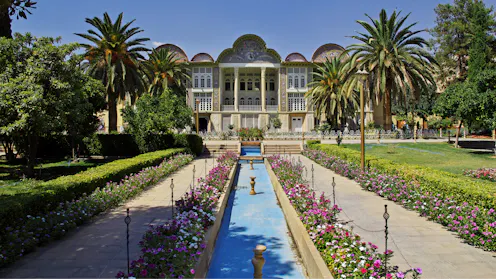
These gardens also played a religious role, offering a glimpse of what eternity might look like in the afterlife.
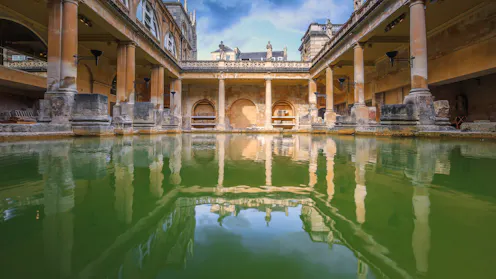
Les bains publics étaient le cœur vibrant de la vie dans la Rome antique. Plongée dans l’histoire fascinante – et contrastée – des thermes romains.
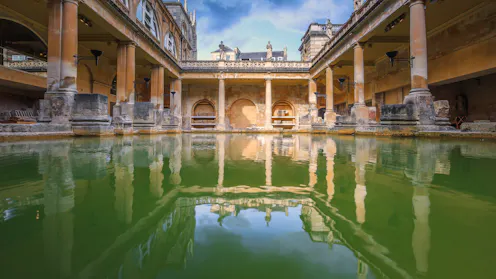
Public baths also often featured gymnasiums, libraries, restaurants and exercise yards. Archaeological evidence suggests even dentistry was performed at the baths.

‘No kings’ would effectively be the watchword through the Roman republic’s entire history. ‘Rex’ was a word the Romans hated. It was short-hand for ‘tyranny’.
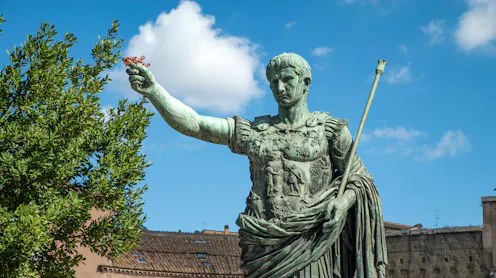
While Roman emperors dominated the institutions of state, they were still constrained by them.
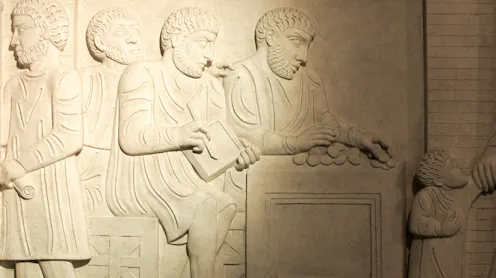
Unfortunately for the Romans, high tariffs often led to higher prices, black markets and other economic woes.
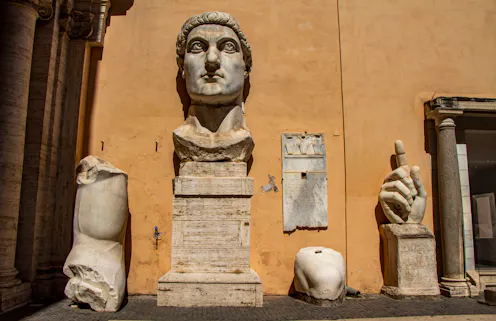
Inflation today is daunting but in third century Rome it was rampant. It eroded the pay of the soldiers whose loyalty was the basis of the emperors’ authority.
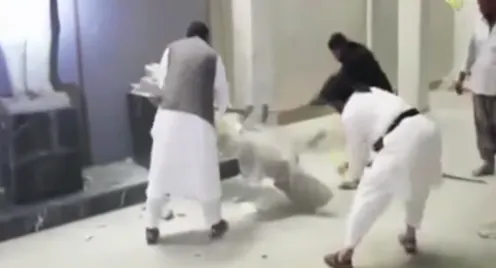
Ancient artefacts in the Archaeological Museum in Mosul in northern Iraq have been destroyed by ISIS in recent days, behaviour that forms part of a pattern. The question is why.
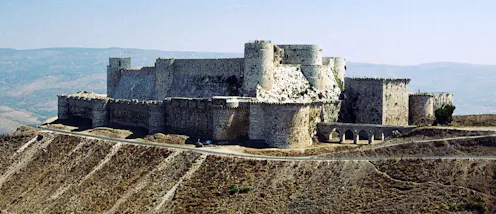
The looting of the Baghdad Museum in 2003 during the invasion of Iraq is an example the consequences of war on national heritage. Almost a decade on, the civil war in Syria has seen history repeating itself…
Contact Peter for
- General
- Media request
- Speaking request
- Consulting / Advising
- Research collaboration
- Research supervision
- Article Feed
- ORCID
- Joined
