
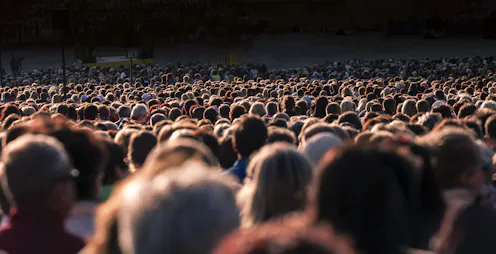
As living standards rise, we could see smaller populations but much bigger ecological impacts.
- Professor, Department of Geography and the Environment, University of Denver
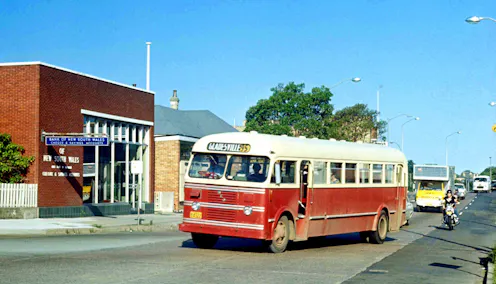
Australia’s GPI, a broad measure of national wellbeing, has stalled since 1974. So what has been the point of huge population and GDP growth since then if we and our environment are no better off?
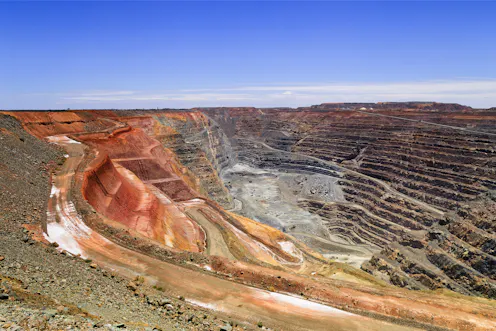
Even supposedly “green” technologies such as renewable energy require materials, land and solar exposure and cannot grow indefinitely on this planet.
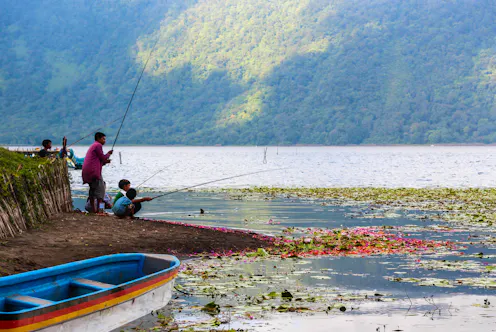
Current land-use patterns could see the value of ‘ecosystem services’ – the natural processes that sustain life – plummet by mid-century. But with the right policies we can turn this trend around.
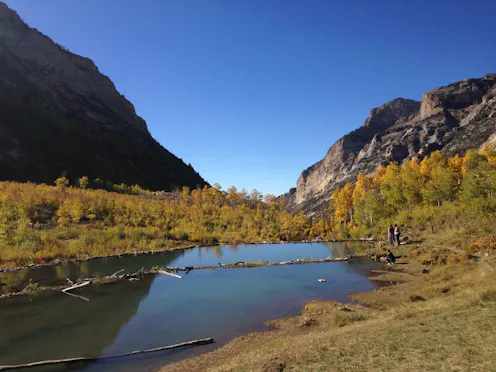
Listing the value of bees, beavers and others on the pages of the world’s financial press helps to show that ecosystems deliver benefits worth staggering amounts of money - yet we scarcely keep track of it.
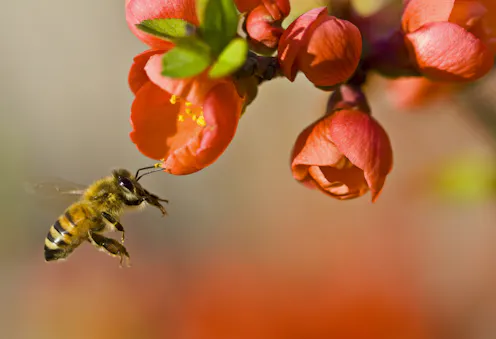
Is it worth trying to put a price on the natural world, when things like water and food are priceless? Yes, says Paul Sutton - without knowing the value of the environment, we might not value it at all.
Contact Paul for
- General
- Media request
- Speaking request
- Consulting / Advising
- Research collaboration
- Research supervision
- Location: Adelaide, South Australia
- Website
- X (formerly Twitter): @Nature_BatsLast
- Article Feed
- ORCID
- Joined
