

A Copa do Mundo deste ano será a maior de todas – e promete ser também a mais avançada tecnologicamente
- Professor of Human Factors, University of the Sunshine Coast

This year’s World Cup will be the biggest ever – it also promises to be the most technologically advanced.
Too many people still believe AI safety is a future problem that can be fixed with simple laws – but the truth is very different.
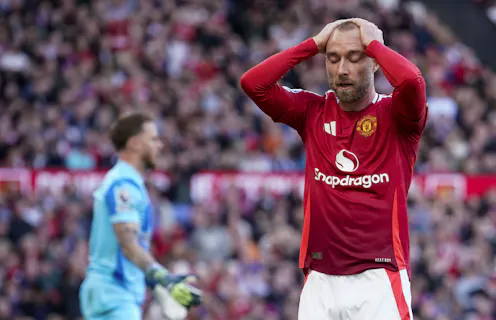
Manchester United is in turmoil again and the scientific discipline of ‘systems thinking’ outlines why the club’s approach is failing.

Imagine an advanced artificial intelligence took over from Santa. What could go wrong?
We’re on the road to developing artificial intelligence systems that will be able to do tasks beyond those they were designed for. But will we be able to control them?

Collisions at intersections between motor vehicles, cyclists and pedestrians cause many deaths and injuries. Design that considers how each group approaches intersections improves everyone’s safety.
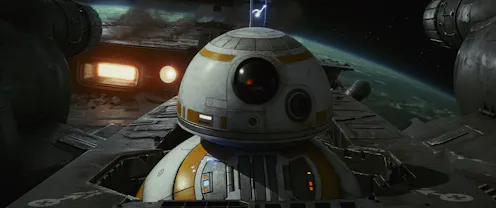
Star Wars’ robots are much-loved characters, who can shed light on the future of automation. In the films, they exist mostly to assist rather than replace humans - and like us, they are prone to errors.
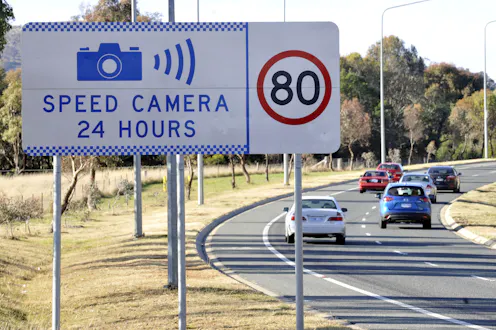
Wider societal issues are driving road user behaviour, which cannot be fixed by taking a traditional road safety approach.

There are very few approaches that examine all aspects of the complexity of urban design and development. Ergonomics, human factors and sociotechnical systems methods offer a way forward.
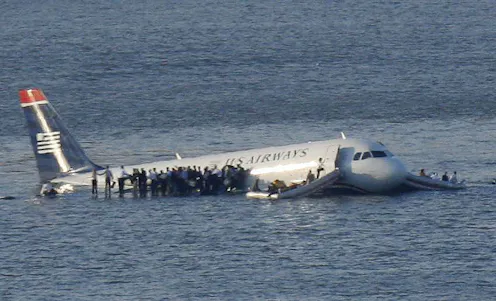
The movie Sully, out today, tells the story of Captain Chesley “Sully” Sullenberger who landed an Airbus A320-214 in New York’s Hudson River. To accident experts, this was no crash landing.

Based on goals scored at the 2014 World Cup, goals emerge when teams develop small and rapid passing networks comprising only a few players.
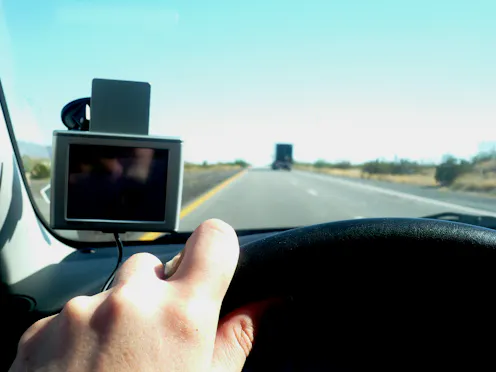
The focus is on reducing the “fatal five” behaviours that cause road trauma: speeding, drink and drug driving, not wearing seatbelts, fatigue and driving while distracted.
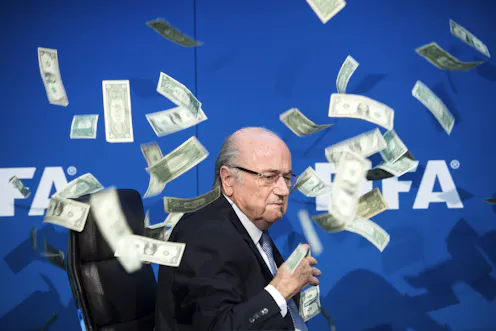
The recent untoward behaviours in sport are not limited to athletes alone. Rather, there are allegations of corruption throughout sports systems.

When accidents happen we need to look at the real cause of why things went wrong instead of just looking for someone to blame.
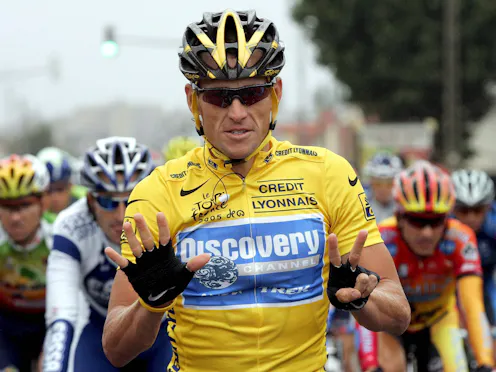
There are again questions over Lance Armstrong’s admissions and apologies following a BBC interview in which the former cyclist and confessed drug cheat admitted he would take performance-enhancing substances…
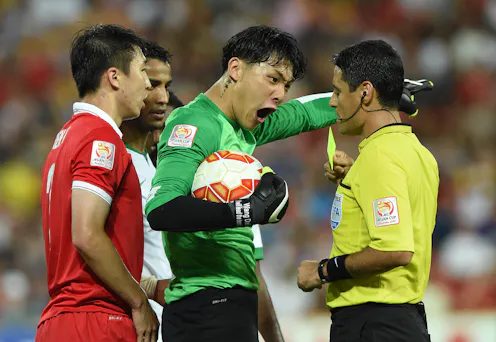
Sports-mad Australians are in the middle of a busy summer of world-class sport. We’re currently gripped by football frenzy as the best players in Asia ply their craft in the Asian Cup. The world’s richest…
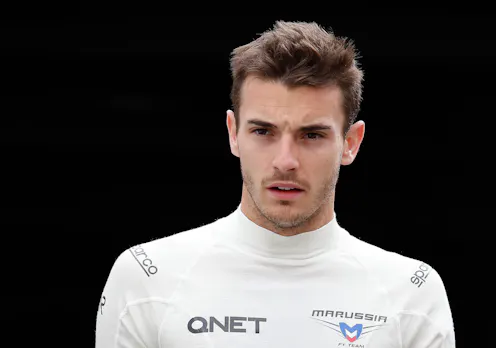
As with most tragic events today, Formula One driver Jules Bianchi’s recent crash in the Japanese Grand Prix has raised the usual frenzy of questions surrounding who is to blame when things go wrong and…
Contact Paul for
- General
- Media request
- Speaking request
- Consulting / Advising
- Research collaboration
- Research supervision
