
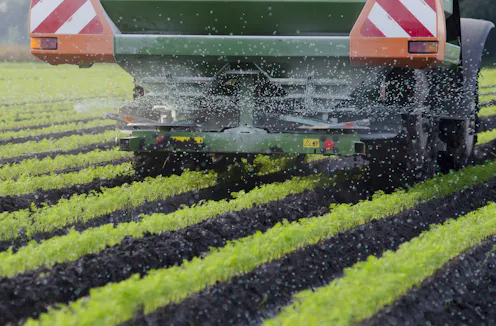
Agriculture is the dominant cause for the increasing N₂O concentrations. Emissions must be reduced if we hope to stabilise Earth’s climate.
- Research Group Leader, CSIRO
Despite this year’s coronavirus lockdowns, more CO2 has accumulated in the atmosphere than during the same period in 2017 or 2018.
Nuestros últimos estudios sugieren que el metano, un gas de efecto invernadero más potente que el dióxido de carbono, se está acumulando en la atmósfera debido a la actividad humana.
In Australia, methane emissions from fossil fuels are rising due to expansion of the natural gas industry, whereas agriculture emissions are falling.
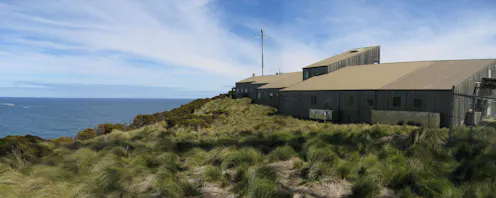
Carbon dioxide levels in the atmosphere are at 414 parts per million. But thanks to a recalculation of methane’s warming power, the total amount of greenhouse gases is now equivalent to more than 500.

For several years, emissions of CFCs have been rising, in apparent defiance of a global ban in place since 2010. A new global detective effort has traced the source to two eastern Chinese provinces.
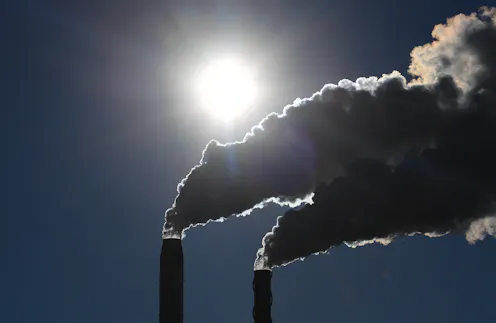
Global greenhouse gas levels have hit their highest point in at least 3 million years, according to new figures from the World Meteorological Organisation.
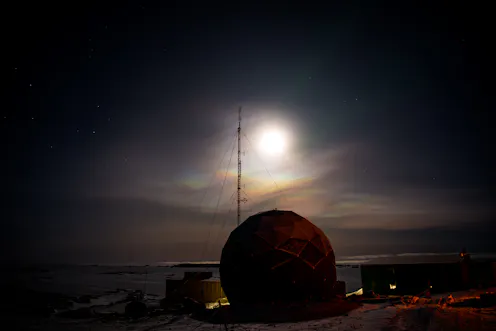
The treaty to limit the destruction of the ozone layer is hailed as the most successful environmental agreement of all time. Three decades on, the ozone layer is slowly but surely returning to health.

While the gases most responsible for global warming - carbon dioxide, methane and nitrous oxide - continue to climb, other industrial greenhouse gases are being brought gradually under control.

Methane concentrations in the atmosphere are growing at a faster rate than any time in the past 20 years.

Cape Grim’s air pollution station has recorded some of the biggest changes to the world’s atmosphere over the past 40 years.
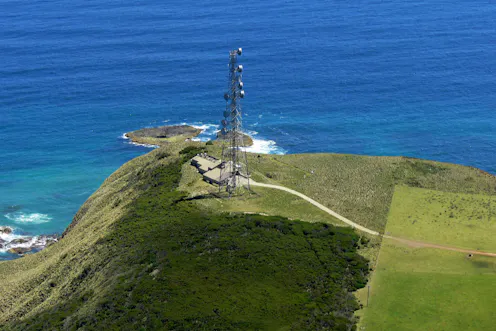
Atmospheric carbon dioxide measurements at Tasmania’s Cape Grim and Antarctica’s Casy Station have now officially passed 400 parts per million and are likely to stay above that for decades to come.
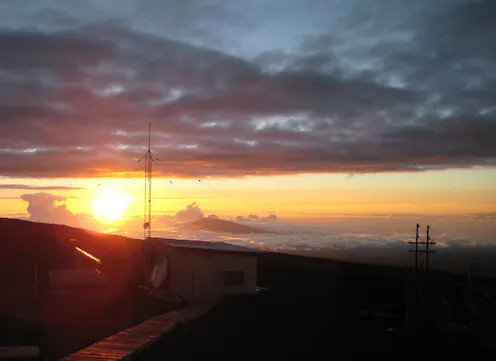
We have hit a new milestone in carbon dioxide levels: the average for February topped 400ppm. It’s the first time this has happened in the northern winter, when levels are typically lower than in summer.

Imagine an environmental crisis caused by a colourless, odourless gas, in minute concentrations, building up in the atmosphere. There is no expert consensus, but in the face of considerable uncertainty…
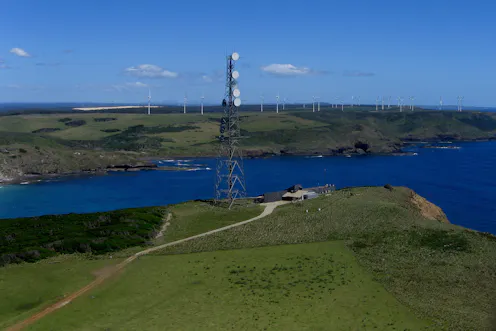
SAVING THE OZONE: Part four in our series exploring the Montreal Protocol on Substances that Deplete the Ozone Layer – dubbed “the world’s most successful environmental agreement” – looks at the substances…
Contact Paul for
- General
- Media request
- Speaking request
- Research collaboration
- Research supervision
- Website
- Article Feed
- ORCID
- Joined
