

Everyone likes being told they’re clever, even if it’s coming from an AI chatbot. But their sycophancy has serious consequences for truth and trust.
- Professor of Philosophy and Director of Applied Ethics Center, UMass Boston
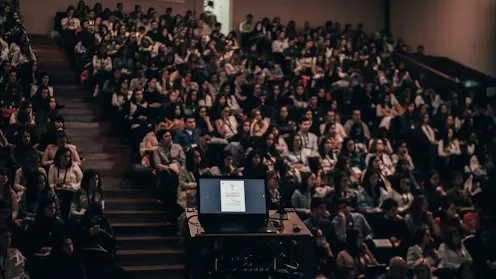
Le débat sur l’IA à l’université se focalise sur la tricherie. Mais le véritable enjeu est ailleurs : c’est tout l’écosystème de formation et de production du savoir qui pourrait être fragilisé.

Automating knowledge production and teaching weakens the ecosystem of students and scholars that sustains universities, raising existential questions about their mission.

AI avatars of dead people are teaching courses and testifying in court. Even with the best of intentions, the emerging practice of AI ‘reanimations’ is an ethical quagmire.
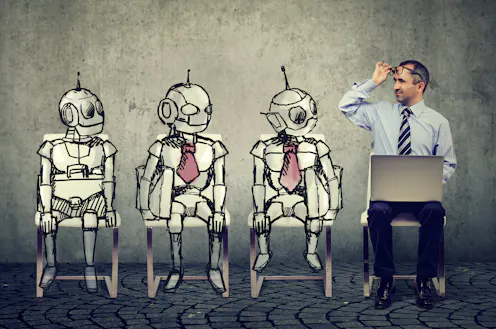
AI is already widespread and garnering billions of dollars in investment. But that doesn’t mean its ubiquity is predetermined. Society can decide when and how it’s used.

AI may shore up an industry experiencing economic headwinds. But in a field where professional ethics and public trust are particularly important, it’s a risky endeavor.
If the US wants to protect young people from misinformation and foreign influence, focusing on TikTok is barking up the wrong tree.
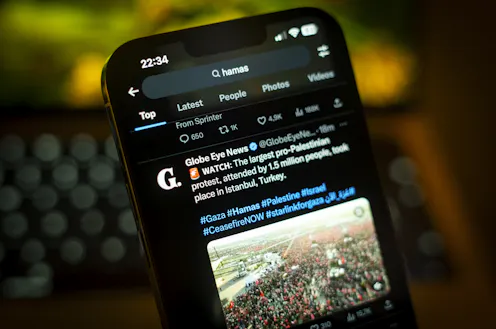
Social media is designed to keep you engaged by getting a rise out of you, not help you think critically or take effective action on political issues.
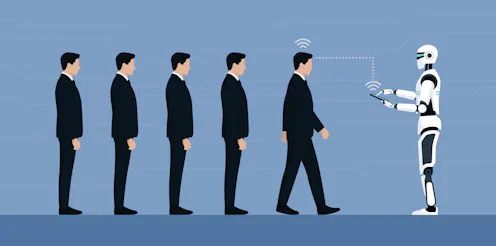
From open letters to congressional testimony, some AI leaders have stoked fears that the technology is a direct threat to humanity. The reality is less dramatic but perhaps more insidious.
AI is poised to reshape parts of US culture and society. Have tech developments raced ahead of our ability to understand the consequences?
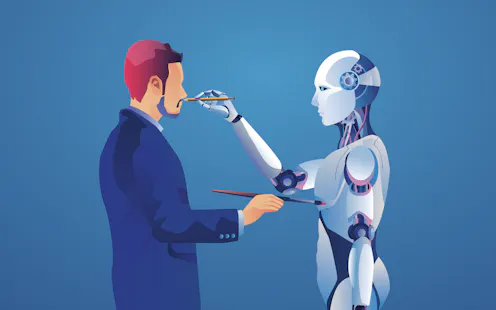
Generative AI can seem like magic, which makes it both enticing and frightening. Scholars are helping society come to grips with the potential benefits and harms.
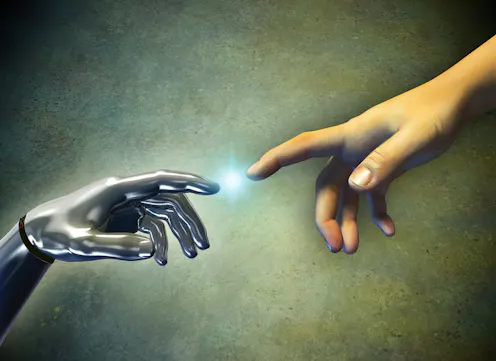
Our tendency to view machines as people and become attached to them points to real risks of psychological entanglement with AI technology.

The technology’s focus on the framing of the artistic task amounts to the fetishization of the creative moment – and devalues the journey that waters the seed of an idea to its fruition.
Meski metaverse menawarkan ruang virtual baru untuk perkuliahan di masa depan, masih ada banyak masalah filosofis yang bisa muncul.
While the metaverse offers new virtual space for classrooms of the future, it is also rife with potential pitfalls, a scholar of philosophy writes.
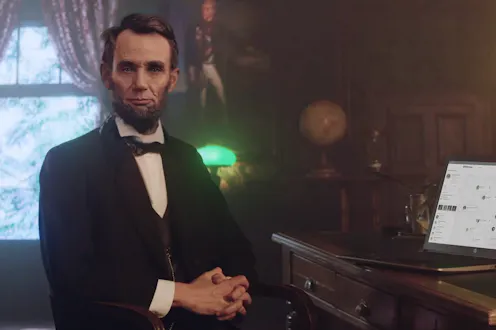
Deepfakes could strengthen our engagement with history. But there are dangers to the practice, some obvious, others more subtle.
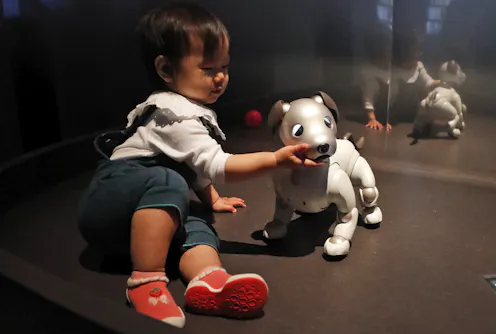
By letting machines recommend movies and decide whom to hire, humans are losing their unpredictable nature – and possibly the ability to make everyday judgments, as well.
Contact Nir for
- General
- Media request
- Speaking request
- Consulting / Advising
- Research collaboration
- Research supervision
- Location: Boston, Massachusetts, U.S.
- Website
- Article Feed
- Joined

