
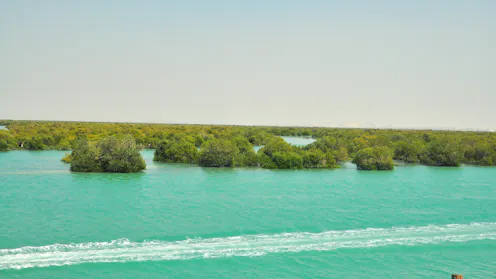
An oil spill has reached Qeshm Island’s mangrove forests, with a possibly devastating environmental impact.
- Executive Co-Director, Institute for Water, Environment and Health (UNU-INWEH), United Nations University
- Professor of Applied Engineering, Technical University of Hamburg
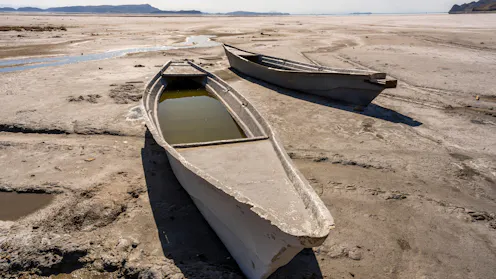
Iran’s leaders could use the peace dividend to invest in fixing its severe environmental problems.
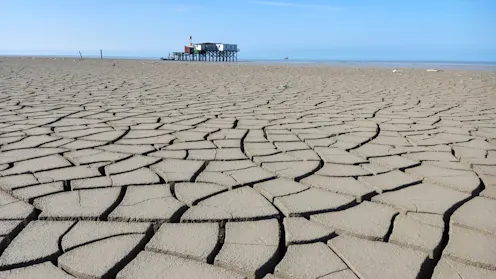
The Caspian Sea is becoming warmer and shallower, with damaging economic and environmental effects.
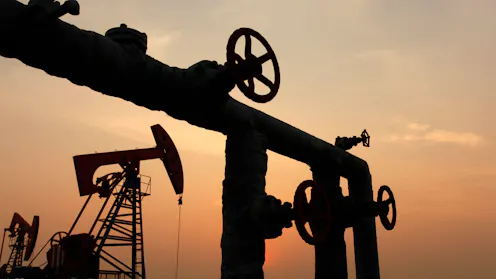
Closing down oil wells can cause long-term damage, which is difficult to reverse.
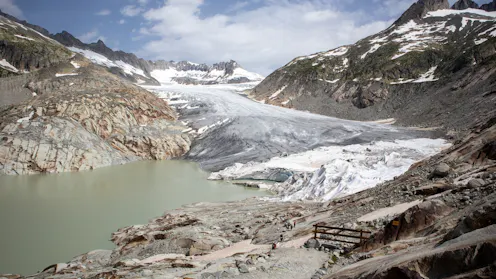
Changes in shipping routes can end up altering the physical state of distant mountains, as well as creating other fallouts.
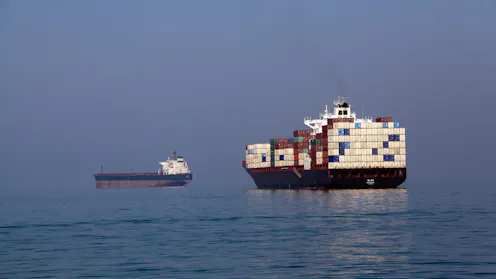
Without this form of fertiliser, crops will not produce yields on which the world’s population depends, leaving people starving.

Shortages of water and power as well as rising air pollution in Iran are at the centre of why citizens are telling their government they want change.
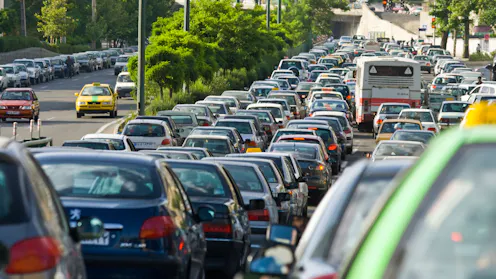
Schools are closing and hospitals are admitting patients suffering from lung diseases as Tehran and other Iranian cities face a severe air pollution crisis.
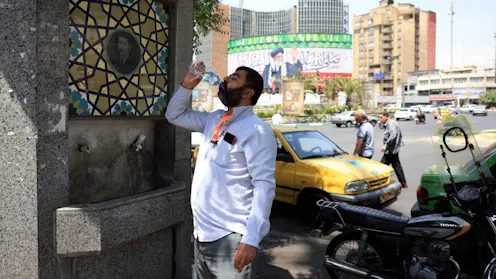
Iran is suffering huge water shortages. Expert believe there are changes that could help.
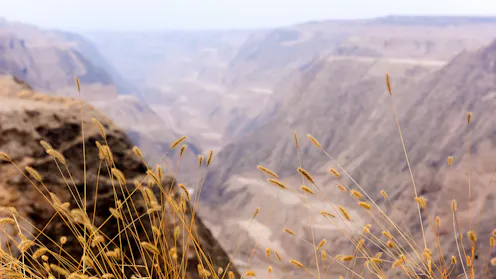
Knowing where best to scale up soil health solutions will help protect people, businesses and ecosystems from extreme events.
Contact Nima for
- General
- Media request
- Speaking request
- Consulting / Advising
- Research collaboration
- Research supervision
- Location: Hamburg, Germany
- Website
- LinkedIn: nima-shokri-00b066114
- X (formerly Twitter): @NimaShokri_GHI
- Article Feed
- Joined

