
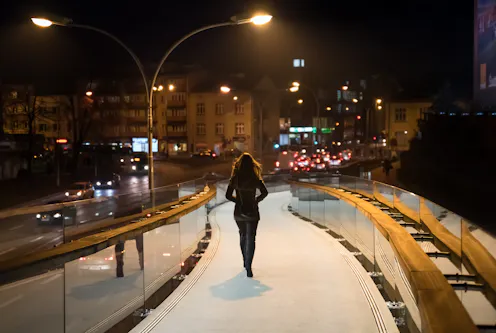
Women are most likely to feel unsafe in their cities or towns, but planning authorities have rarely listened to them. Here’s what we can do to change that.
- Director, XYX Lab, and Professor, Faculty of Art, Design and Architecture, Monash University
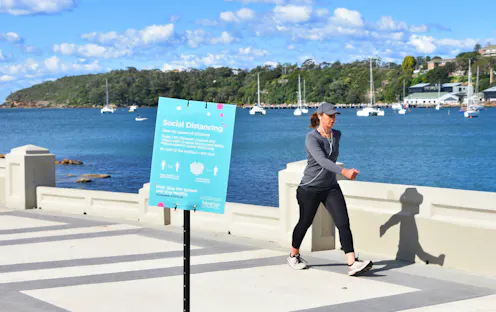
The Gender Equality Act in Victoria creates an obligation to understand how gender affects needs and experiences, and to design, assess and manage public spaces so women feel safe in those places.
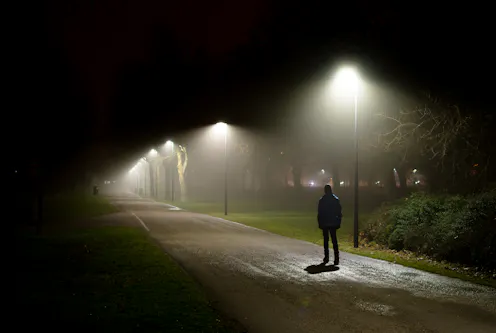
Bright lighting alone does not make a space feel safe. It can blind and disorientate and create dark shadows at the edges. Tellingly, ‘unsafe’ places had much higher illuminance than ‘safe’ places.
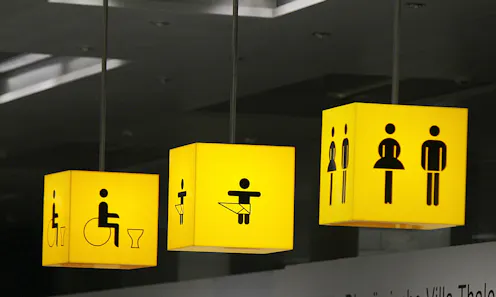
The map will help uncover real experiences of gender inequality in public places, from sports facilities to public transport, community services and infrastructure, to simply walking down the street.
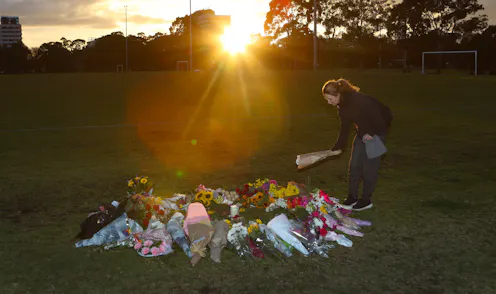
Australia has guidelines for designing safe parks, but the stories of many women show these are not enough. We must involve women in co-designing these shared public spaces.
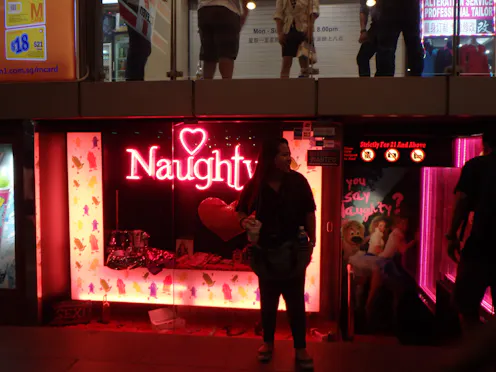
Despite the rise of feminism, strip clubs and other ‘sexual entertainment’ businesses have proliferated in our cities. And women are feeling the harmful impacts of the industry’s presence.
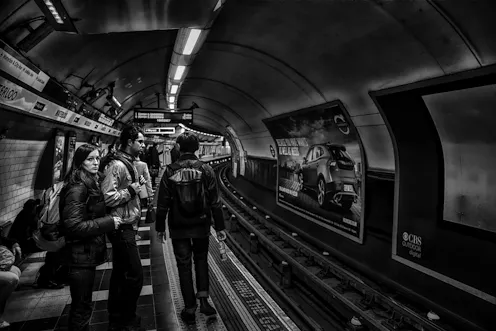
Most women feel unsafe when using public transport. Instead of gender segregation, researchers suggest gender-sensitive design could be a better way to ensure safety for all.
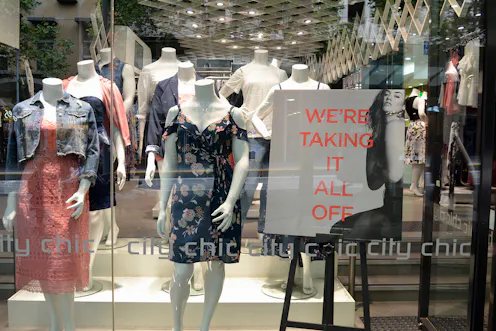
Where do women feel safe - or unsafe - in city streets? A new research project has unearthed some disturbing responses.
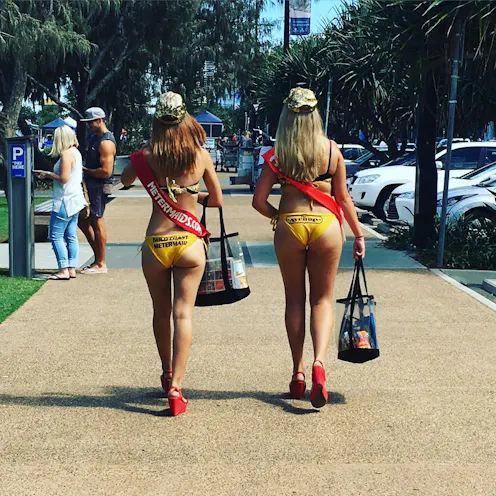
The Gold Coast Meter Maids are the most enduring example of a growing number of young women employed as promotional models in our cities. But how does this sexualised imagery shape our interactions – and men’s attitudes to women?
Contact Nicole for
- General
- Media request
- Speaking request
- Consulting / Advising
- Research collaboration
- Research supervision
- Location: Melbourne, Australia
- Website
- X (formerly Twitter): @TerraInteralia
- Article Feed
- Joined
