
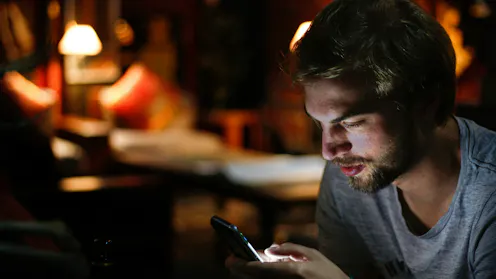
Sextortion is a form of online blackmail where a perpetrator coerces or tricks a victim into sending intimate images. New research shows it’s on the rise.
- Professor of Global & Language Studies, RMIT University

These images are being shared in an attempt to harass, demean or silence individuals.

Banning ‘nudify’ apps is an important step, but alone it won’t stop the harm they cause.
More must be done to bolster fairness in Australian workplaces as Diversity, Equity and Inclusion measures come under attack from the likes of Donald Trump.
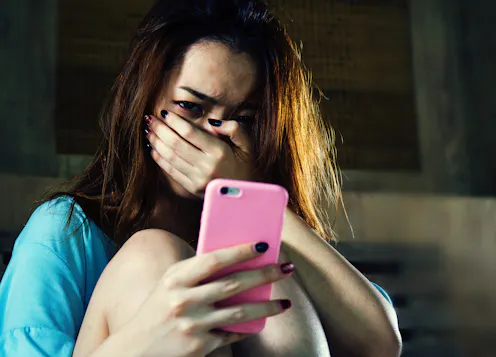
Within seconds, an app can turn anyone’s photo into an explicit image. The law is catching up to make this a criminal offence, but we need to do more.

Our survey of more than 16,000 people in ten countries found Australia had the highest rate of deepfake porn victims.
Sometimes it’s easy to point to figures like Andrew Tate and assume they are the problem. But they are more likely a symptom of it.
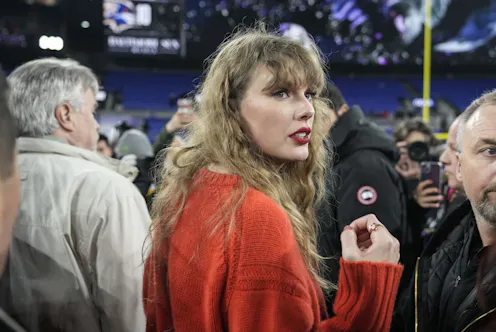
Não há nada surpreendente em imagens explícitas falsas se tornando virais: isto acontece com celebridades mulheres frequentemente, mas qualquer um pode se tornar um alvo
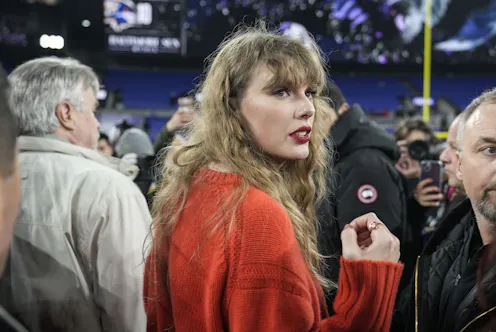
There’s nothing surprising about the fake explicit images going viral. It happens to women celebrities frequently – but anyone can be targeted.

The damning findings of five years ago did prompt universities to change policies and practices. The problem is we still lack evidence for what works to prevent sexual violence on campus.

In the wake of high-profile allegations of sexual assault, it is important people know there are informal avenues for survivors to report their stories.

New research has found that young women, Indigenous Australians and people with disabilities are the most frequent victims of ‘revenge porn.’

Universities have done a lot over the last two years to respond to the high rate of sexual assault and harassment on campus, but we still don’t know whether rates of incidents have dropped.
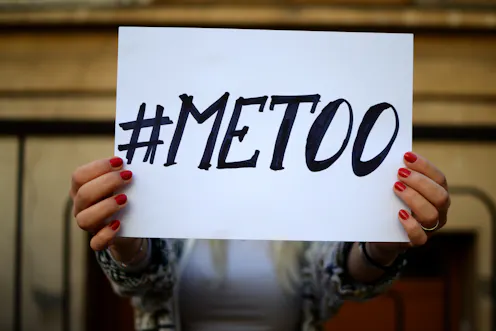
It’s important to differentiate between various forms of sexual violence to punish perpetrators appropriately, and to help those affected to label and describe their experiences.

People can now use artificial intelligence to swap the faces of actors in pornographic videos with those of people they know, raising fears about a new form of revenge porn.

Image-based abuse, more commonly known as ‘revenge porn’, affects many Australians from across diverse communities and in different types of relationships.

On Q&A, panellist Faustina Agolley questioned whether there were laws protecting against revenge porn in Australia. As it turns out, it all depends on where you live.
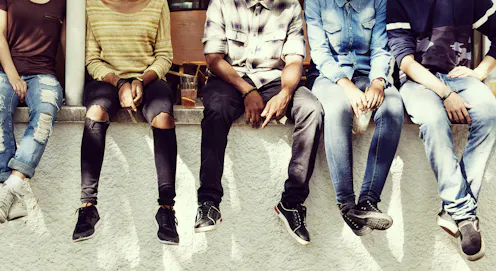
Prevention messages by universities are often directed at the victim and what she or he can do to avoid being raped. This may then deter reporting of the incident.
With a Senate inquiry into “revenge porn” due to report, the focus must be on changing the law to better protect victims.

Women and men are just as likely to report experiencing any form of digital harassment and abuse. However, the nature and impacts of these online harms differ significantly by gender and age.
Australia is at a critical juncture of increasing awareness and understanding of men’s violence against women. But one important type of sexual violence is often overlooked: acquaintance rape.
“Revenge porn”. It’s when a partner or ex-partner posts nude or intimate pictures or videos online and without consent. And in the absence of better laws, perpetrators are largely getting away with it…
Contact Nicola for
- General
- Media request
- Speaking request
- Consulting / Advising
- Research collaboration
- Research supervision
- Location: Melbourne, Australia
- Website
- X (formerly Twitter): @n_henry
- Article Feed
- ORCID
- Joined
