

Australians are increasingly comfortable with the idea of minority government, new research finds. We may all need to adapt to a new norm in Australian politics.
- Professor of Economics and Public Policy, ANU College of Arts and Social Sciences, Australian National University

We found concerns about income inequality in Australia are strongly related to dissatisfaction with democracy. This suggests Australia’s satisfaction with democracy is at risk.

The ABS is exploring whether and how to ask questions on gender, sexual orientation, and variations of sex characteristics.

Over the course of the pandemic, there’s been an increase in many aspects of social cohesion.
But this may be slipping as lockdowns drag on. Here’s how we measured social cohesion, and why.

A large study shows preschool benefits Aboriginal children’s development more than childcare or being taken care of at home. But the benefits of preschool are not as large as for non-Aboriginal kids.
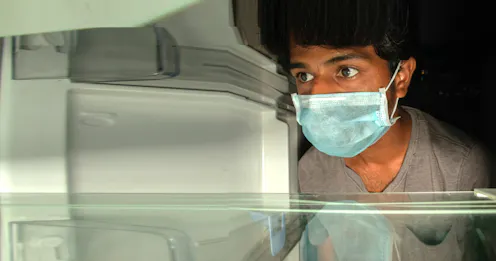
Making some of the Newstart increase permanent would undo the worst of the damage.

More than eight out of 10 self-employed Australians have taken a significant financial hit from COVID-19, new ANUpoll data shows.
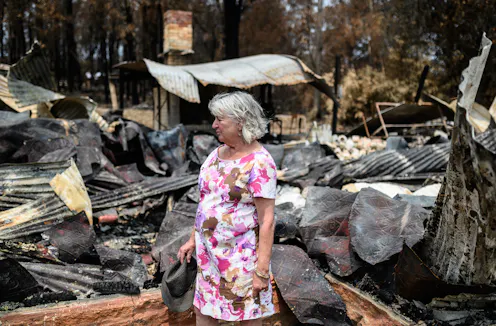
The study is the first of its kind to gauge how people were impacted by the bushfire crisis and how it changed their views on a range of subjects, from climate change to the government response.

Australians aren’t confident that the government can be trusted with their data, or that is has the right safeguards in place to protect it.

Some targets seem easier to meet than others, while some are just plain unreliable. Here are four things we’ve learnt from the last decade of Closing the Gap policy.

Random-controlled testing is widely accepted in medicine, and yet voters are not convinced this would be a good approach to testing out government policy before it is implemented.

Most Australian workers are fairly relaxed about their own job security, but they do worry about the risks of poor management and outsourcing to cheaper labour.

This study confirms that a student’s background matters, and that targeting students early is vital.
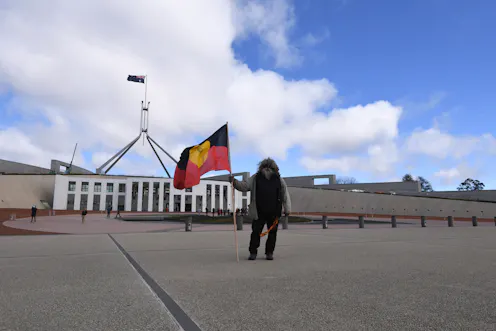
What may appear to be slow progress or steady outcomes for the whole Indigenous population may be masking worsening results.
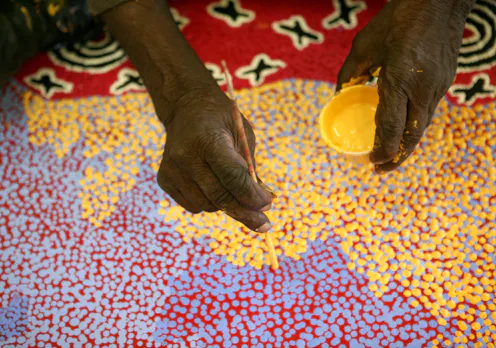
Care needs to be taken in interpreting progress on closing the gaps between Indigenous and non-Indigenous Australians, and ascribing it to actual policy change.

The latest census data reveals valuable insights into Closing the Gap targets. While there’s some improvement in school attendance rates, all other indicators suggest a radical rethink is required.
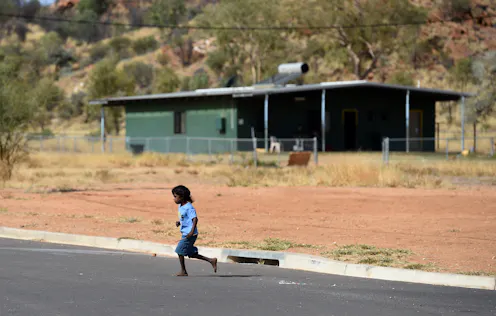
Despite an increase in government spending in the Indigenous sector, many key outcomes for Indigenous equality are not being met.
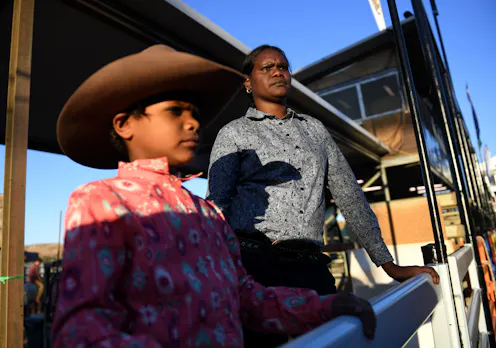
Looking past the headline Census figures, we see divergences between rural and urban Indigenous populations, and the young and old.

Comprehensive, independent Australian data regarding domestic violence within churches is long overdue.

Census data shows there is income inequality between, but also within, regions of Australia.
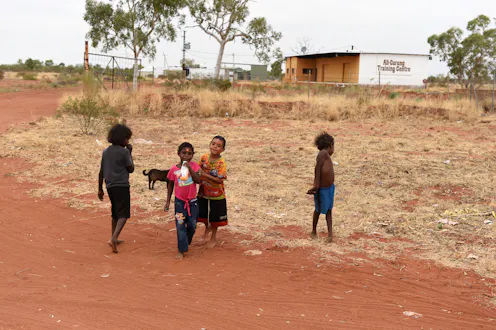
The census mostly delivered a good news story on Indigenous Australian outcomes, but it is unclear to what extent this correlates to improved lives for Indigenous families.

The 2016 Census reveals that Australia is becoming much more diverse – in terms of language, country of birth, Indigenous status, and religion.

Today’s release of data from the 2016 Census allows us to identify some of Australians’ more common characteristics, how they vary across states and territories, and how they are changing over time.

Chair of the Prime Minister’s Indigenous Advisory Council, Warren Mundine, told Q&A that $30 billion is spent every year on 500,000 Indigenous people in Australia. Is that right?

If the response rate to the 2016 Census is lower than expected, it could compromise our ability to draw meaningful information from the data.
Contact Nicholas for
- General
- Media request
- Speaking request
- Consulting / Advising
- Research collaboration
- Research supervision
- Location: Canberra, Australia
- Website
- Article Feed
- Joined
