
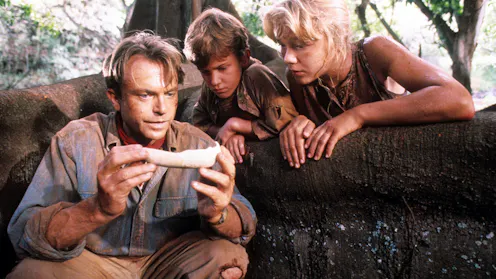
En su papel en ‘Parque Jurásico’, Sam Neill interpretó a un científico auténtico, normal y con el que era fácil identificarse. Para muchos paleontólogos en ciernes, eso les cambió la vida.
- Associate Professor in Ancient DNA, University of Otago
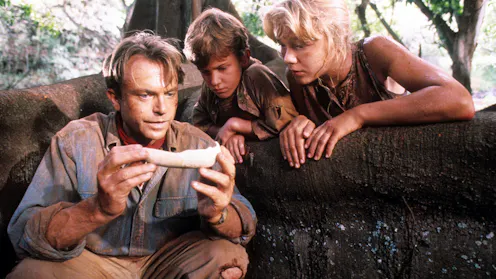
As Dr Alan Grant in Jurassic Park, Sam Neill portrayed a scientist who was authentic, normal and relatable. For many budding paleontologists, it was life changing.

Colossal Biosciences’ artificial egg technology would deliver a useful tool for the conservation of threatened birds, but only if it’s made publicly available.
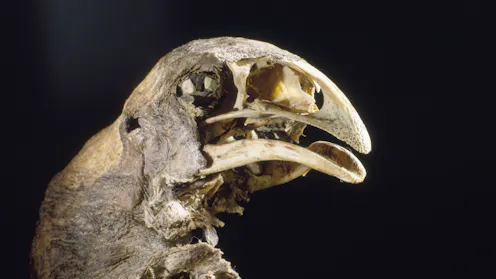
Debates over responsibility for past species loss generate heat but little light. Moving forward requires context, evidence and Indigenous knowledge.
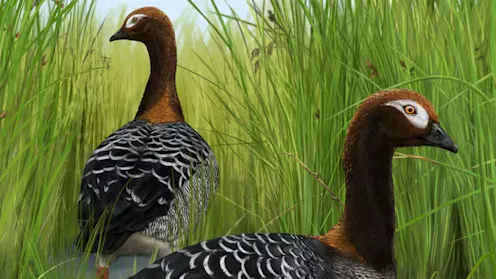
The newly described fossil goose Meterchen luti lived alongside crocodilians and turtles on the shores of the ancient Lake Manuherikia.
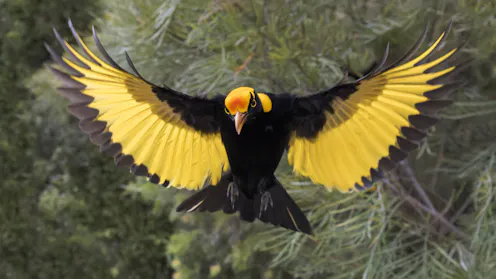
New Zealand’s ancient bowerbird was smaller and more slender than the species living in Australia and New Guinea today.
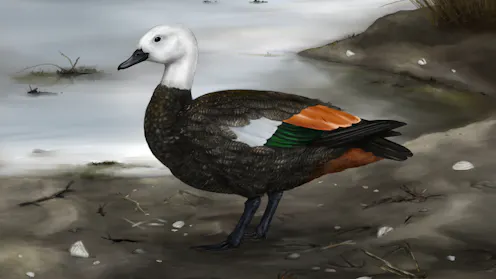
Many birds on Rēkohu Chatham Islands show how ‘island syndrome’ influences evolution – they are distinct but remain closely related to species on the mainland.
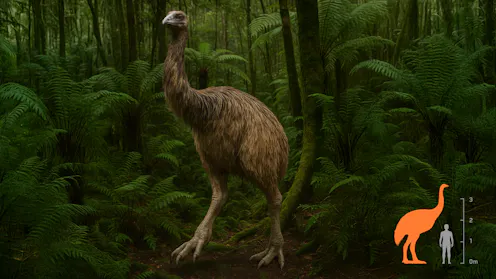
US company Colossal Biosciences claims wide support by Māori for its plans to resurrect the flightless moa, but many iwi are opposed to de-extinction.
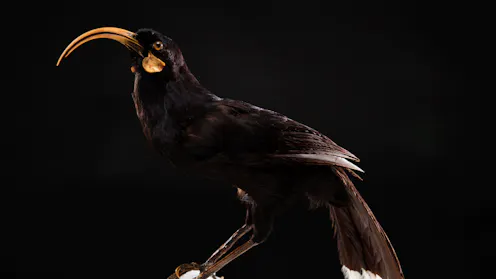
There is nothing to stop de-extinction companies using specimens from museum collections, despite little Māori support for reviving lost native species.

Fosil memberi tahu kita bahwa titanosaurus adalah dinosaurus terbesar – tetapi penemuan terkini dapat mengungkap raksasa baru.
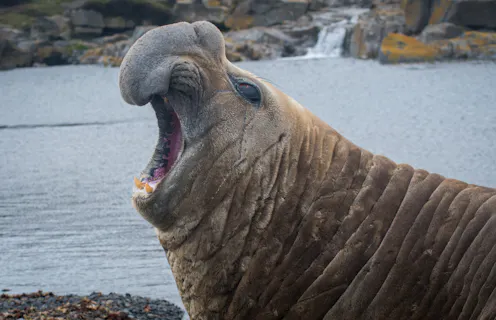
Protecting remaining strongholds and minimising human impacts on food sources will be crucial to avoiding further population decline of this remarkable creature.
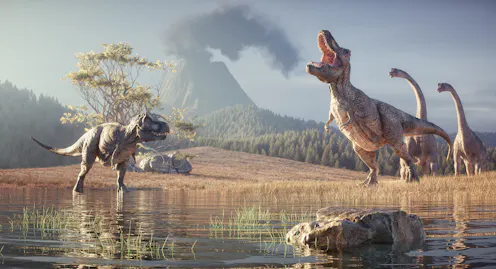
Fossils tell us the titanosaurs were the biggest dinosaurs – but new discoveries could reveal new giants!
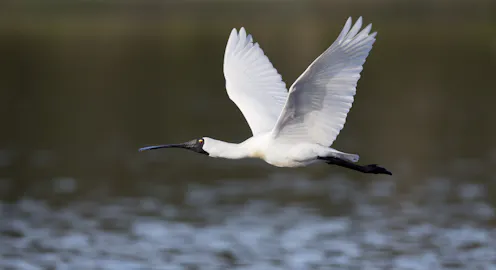
When landscapes change, exotic species take advantage of new habitats. Such a pulse of colonisation coincided with the Ice Age some 2.6 million years ago.
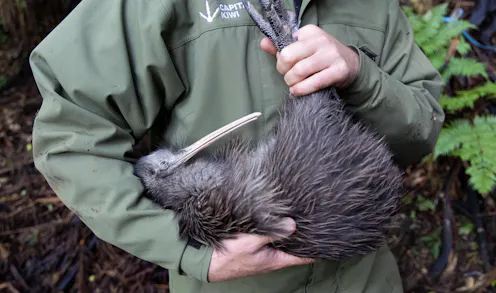
A recent announcement that kiwi and moa are Australian immigrants is not borne out by available evidence. Working out when birds arrived in New Zealand requires both fossil evidence and genetics.
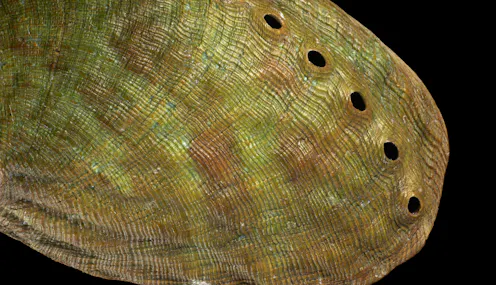
The discovery of the Manawatāwhi pāua, unique to the Three Kings Islands, highlights the need to build taxonomic expertise to speed up work to describe thousands of as-yet unnamed species.
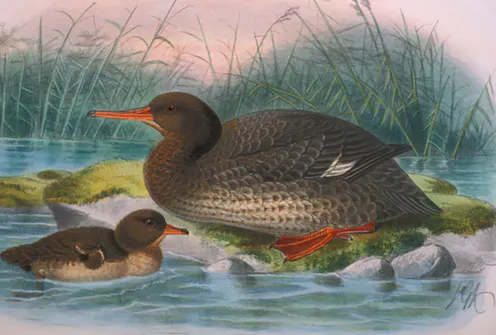
Many people may assume New Zealand’s native birds arrived via Australia. But our new research on the Auckland Island merganser shows they originated from much further away.
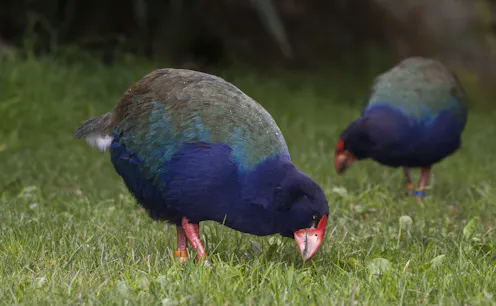
Examining the DNA of the takahē has upended long-held beliefs about how the flightless bird ended up on the southwestern tip of New Zealand. This new knowledge can help future conservation efforts.
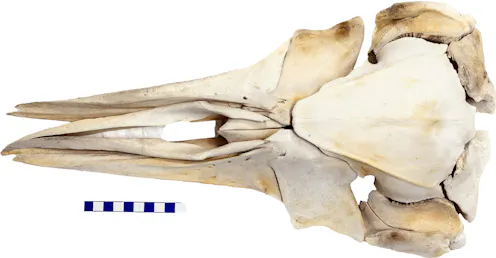
Our new genomic research finally solves a 150 years of scientific mystery about the unusual and ancient pygmy right whale.

A new gecko species in New Zealand was named te mokomoko a Tohu in consultation with a local Māori tribe. This could be a good example for how taxonomists might approach the naming of new species.
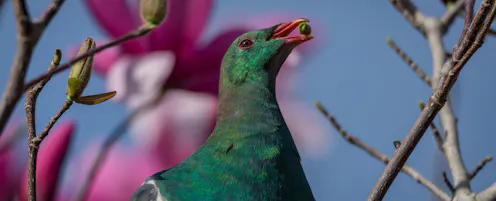
An overhaul of Aotearoa’s conservation laws could allow Māori to resume traditional harvesting practices of some native species.
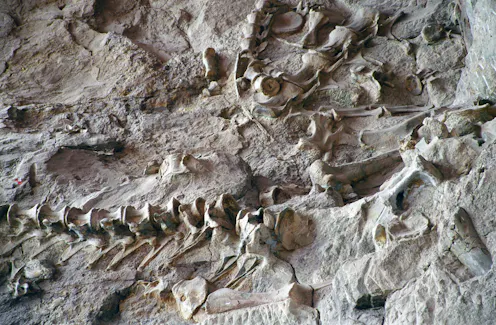
Despite causing hurt and offence, the legality of removing a whale fossil from the West Coast remains unclear. So what rules and laws govern amateur fossil hunting, and should they be strengthened?
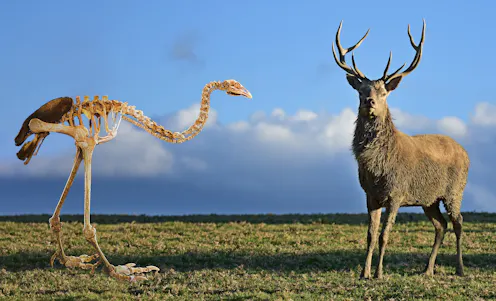
Claims that introduced deer perform the same ecological function as ancient moa are outdated and wrong. Deer destroy forests, and large-scale culling is still the best solution.
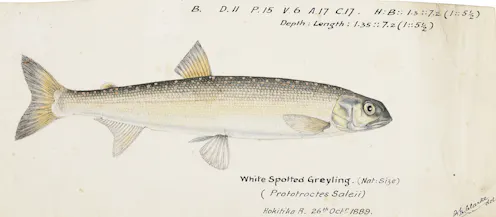
Historical accounts show the upokororo was once common in rivers across the country. It’s now officially extinct, but is there a chance survivors could still be found in remote waterways?
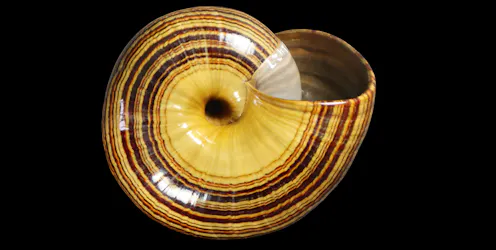
Only half of New Zealand’s roughly 4,000 mollusc species have been seen alive. Now geneticists can decode DNA from shells in museum collections to trace the life histories of extinct or rare species.

Australia has them, so why doesn’t New Zealand have national or regional fossil emblems? A campaign to change that kicks off today.
Contact Nic for
- General
- Media request
- Speaking request
- Consulting / Advising
- Research collaboration
- Research supervision
- Location: Dunedin, New Zealand
- X (formerly Twitter): @nic_rawlence_nz
- Article Feed
- Joined
