

The state government has enlisted a US software company to deploy a data management system that will speed up contact tracing. But security could be a hitch.
- Associate Professor, Computing & Information Systems; Director, Melbourne Data Analytics Platform, The University of Melbourne
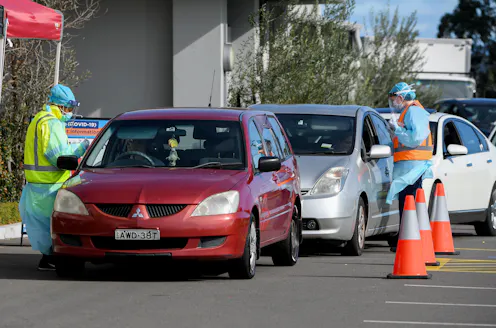
With COVID-19 spreading in Sydney’s southwest, can New South Wales avoid a return to lockdown and a similar scenario to Victoria’s second wave? The answer depends on whether there is community spread.

Only 51% of survey participants said they supported linking the number of COVIDSafe app downloads with an easing of lockdown restrictions.

Testing and isolating cases only after they develop symptoms might not be enough to prevent further outbreaks of COVID-19. Sentinel surveillance, by testing randomly in the community, can go further.

When an outbreak is brought under control, it’s possible only a small proportion of the population has been infected and gained immunity. This can set the scene for a second wave of infections later.

Vaccinating against an infectious disease can stop once the threat of future transmission is deemed sufficiently low.

During a disease outbreak, lots of people can become infected in a short time and develop immunity, making it hard for the pathogen to spread.
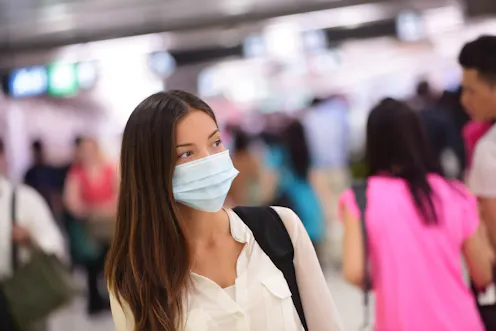
Millions of people die or suffer from infectious diseases each year. Computer modelling can now help simulate the impact of any spreading disease.

When a high proportion of a community is immune it becomes hard for diseases to spread from person to person – a phenomenon known as herd immunity.

Viruses cause all kinds of infections from relatively mild cases of the flu to deadly outbreaks of Ebola. Clearly, not all viruses are equal and one of these differences is when you can infect others.
Contact Nic for
- General
- Media request
- Speaking request
- Consulting / Advising
- Research collaboration
- Research supervision
- Location: Melbourne, Australia
- Website
- X (formerly Twitter): @nicgeard
- Article Feed
- ORCID
- Joined
