
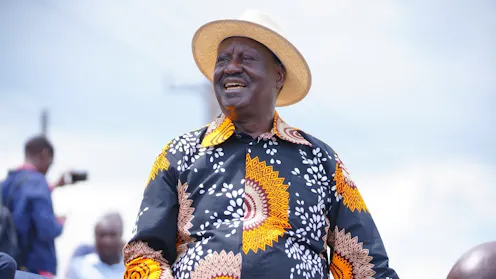
Odinga was both a remarkable figure and an embodiment of Kenya’s political contradictions.
- Professor of Democracy, University of Birmingham
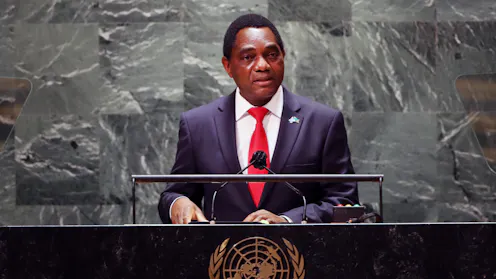
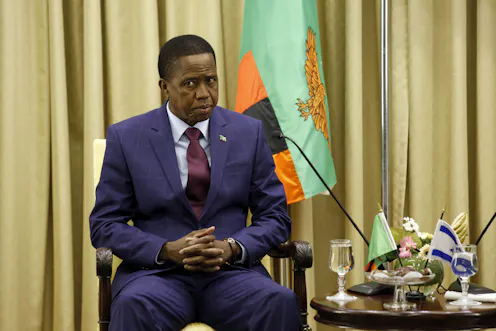
Zambia’s leadership is pushing to implement constitutional changes that civil society groups believe will preserve the ruling party’s dominance.
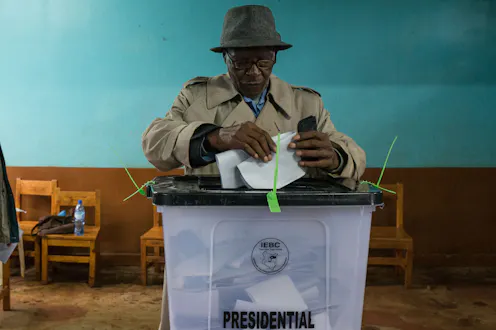
Electoral manipulation is rife around the world, but civil society organisations are working hard to counter attempts to erode the democratic process.
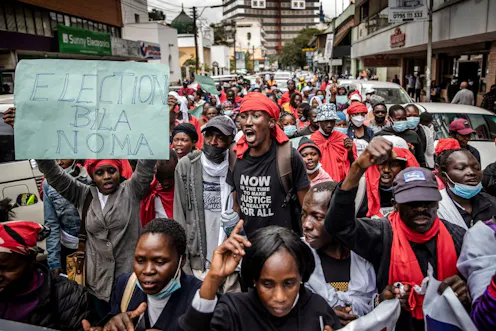
Patronage politics, a history of violent conflict and high-stakes elections increase the risks of poll violence in Kenya.
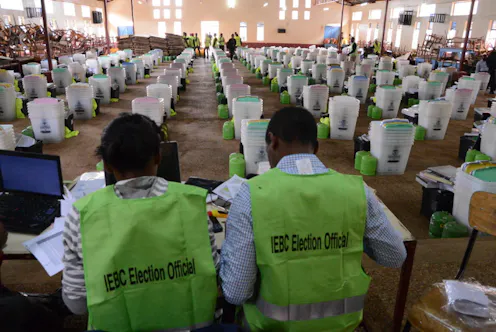
Electoral malpractice can be justified by some as preventing a greater injustice to the individual, community or nation.
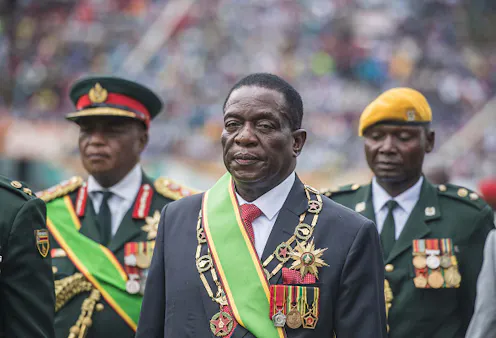
The extent of democracy capture varies markedly between countries. It’s much higher in states such as Zimbabwe, where the government has never changed hands.
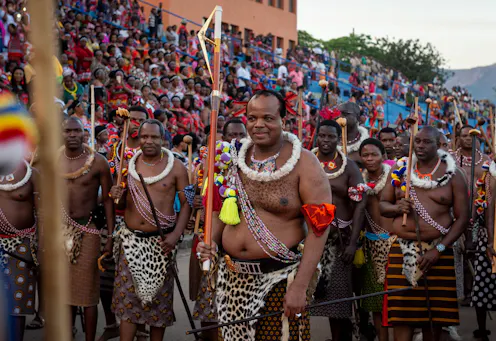
There is more support for democracy among African people than is often recognised. Yet this can be undermined by election rigging and is lower in countries like Lesotho, Mozambique and South Africa.
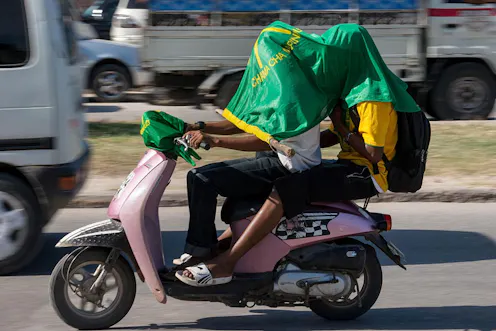
There may be significant limitations to the political reform that can be realised by new president Samia Suluhu Hassan.
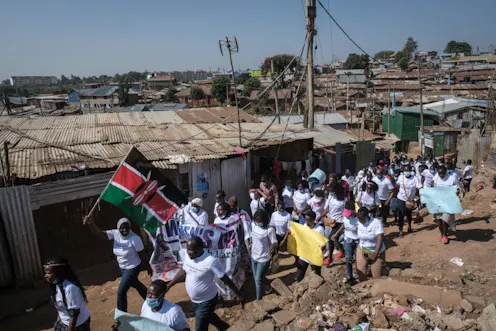
Removing funding from research-led projects puts people in highly vulnerable situations.
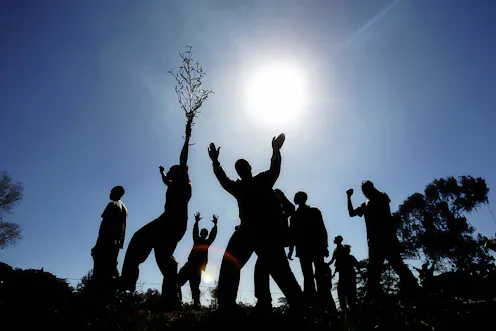
It is often assumed that patrimonial beliefs fuel electoral malpractice whereas civic ones challenge it, but this is an oversimplification.
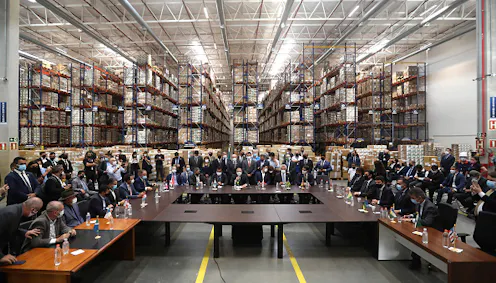
Almost a third of legislatures had no direct oversight over the initial responses to the pandemic.
CC BY-NC-ND15 MB (download)
Is authoritarianism on the rise on the continent? Or is democracy doing well? Nic Cheeseman discusses.
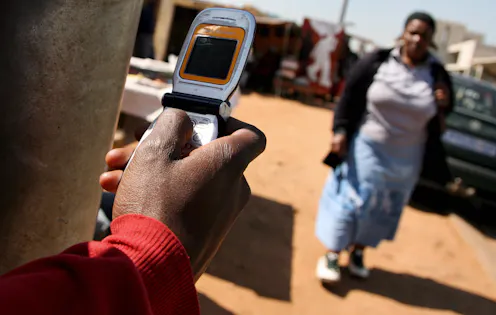
The full benefits of digital democracy are being thwarted by digital exclusion that is driven by the high cost of data.
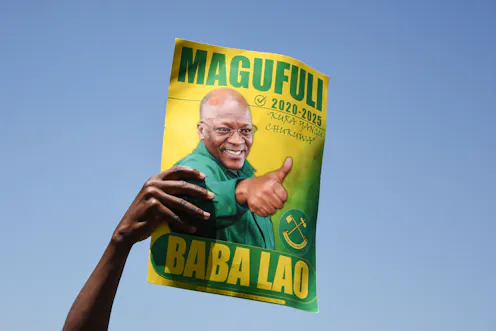
International observation will not insulate controversial polls – such as Tanzania’s in October – from malpractices, but will make them less likely and allow them to be exposed.
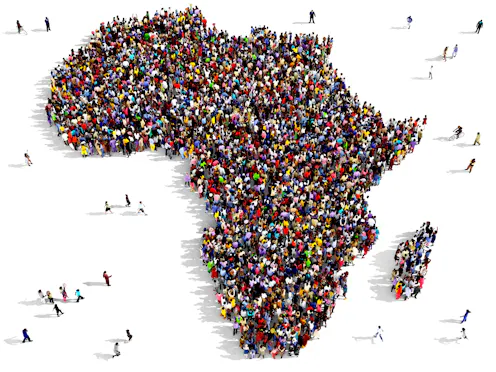
The gap between the continent’s most democratic and authoritarian regions is likely to continue to grow.
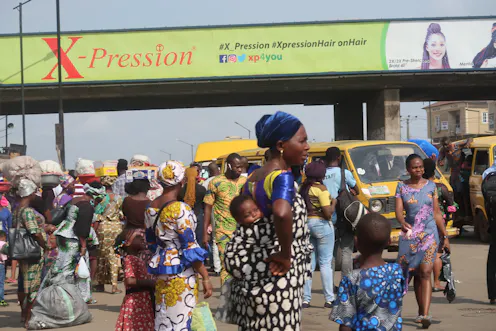
Some anti-corruption messages can encourage apathy and acceptance rather than inspire activism
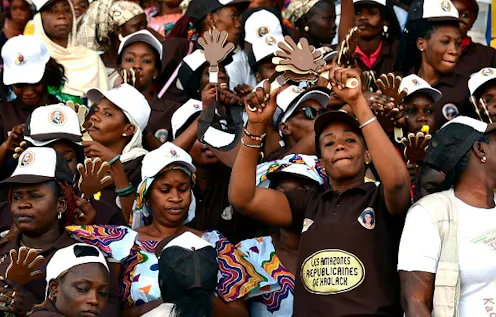
Africa is now formally free of colonial rule. Yet, the aim of remembering and furthering the fight for self determination remains relevant as ever.
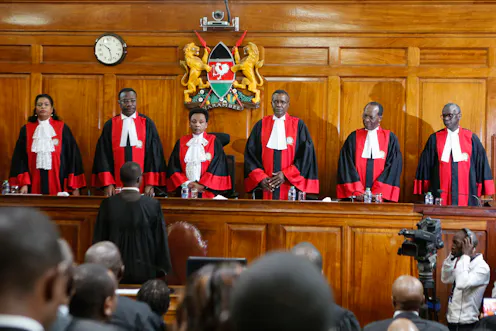
By pushing their usually valid complaints onto the streets and the courts, opposition leaders deny governments the popular goodwill and international credibility they need to govern effectively.
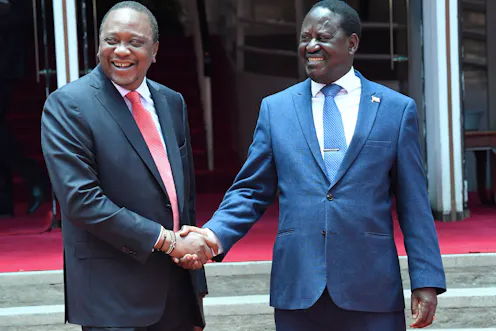
Even in the most tense and dangerous of moments, the elite has found a way to come back together.
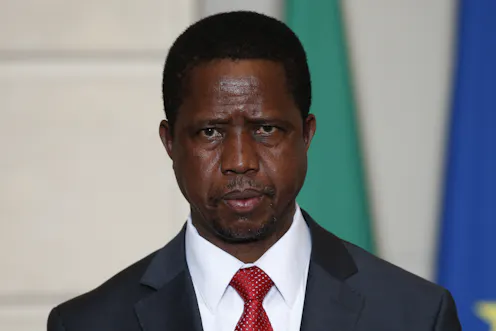
The unstable authoritarian pathway that many post-colonial African states followed was facilitated by the way in which European empires undermined democratic elements within African societies.
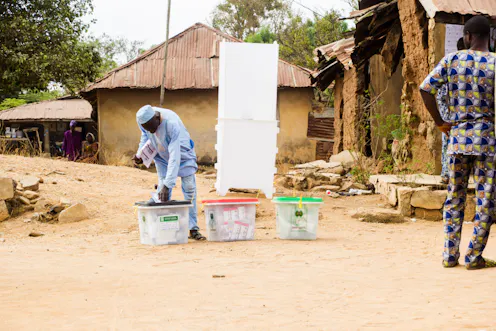
CC BY-NC-ND6.48 MB (download)
WhatsApp can amplify and complement a candidate’s ground campaign. But it cannot replace it.
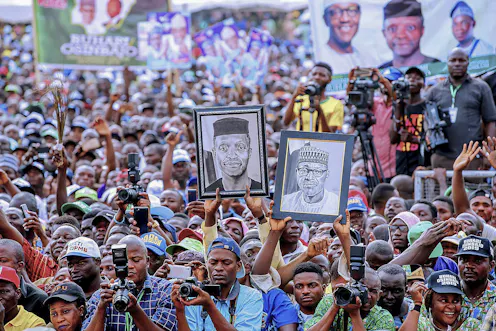
In the recent Nigerian election WhatsApp was used to mislead voters in increasingly sophisticated ways. But it also strengthened democracy in other areas.
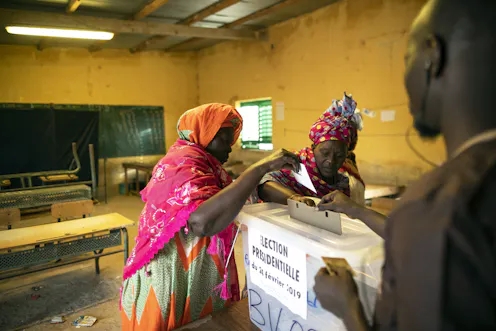
Africa’s democracies have grown stronger during a period in which the world is backsliding on democracy.
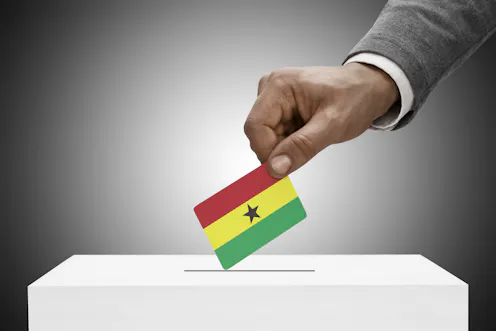
A dictionary of African politics reveals the witty and insightful political terminology that people in different African countries use.
Democratic and authoritarian countries are moving further away from each other.
Contact Nic for
- General
- Media request
- Speaking request
- Consulting / Advising
- Research collaboration
- Research supervision
