
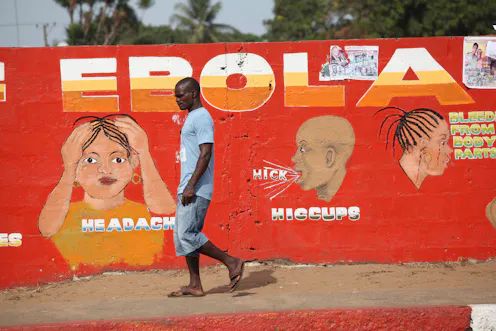
Aid has never been just about helping people. It’s also about gaining influence and exercising soft power.
- Professor of Democracy, University of Birmingham
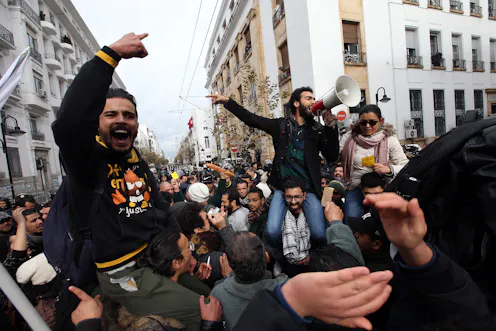
Populism gets a bad rap for fuelling the rise of authoritarianism. But it can also be a shot in the arm for liberal democracy.
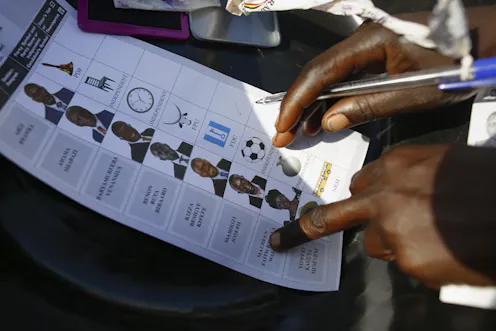
Elections are easy to rig, and they give authoritarian leaders a veneer of legitimacy they badly need.
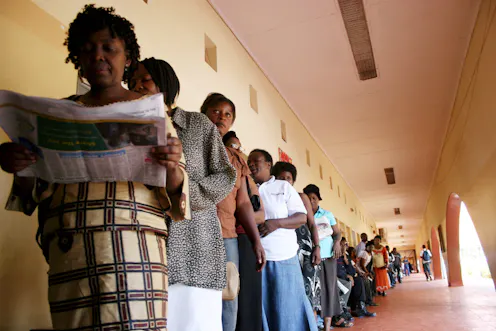
The process of institutionalisation may be patchy and uneven. But one thing is clear: Africa is not without functioning institutions.
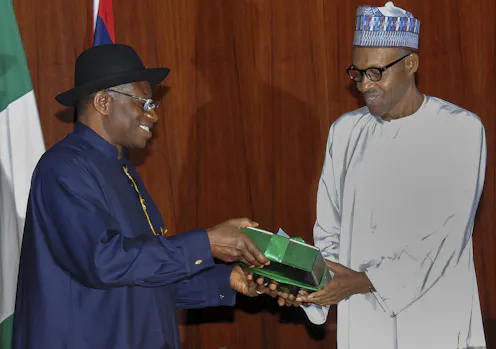
Claims about Cambridge Analytica’s role in elections in Nigeria and Kenya have been overstated.
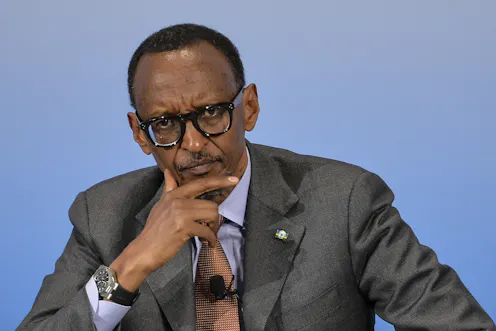
The Rwandan model can’t be replicated easily given that it depends heavily on political dominance and tight, centralised control of patronage networks.
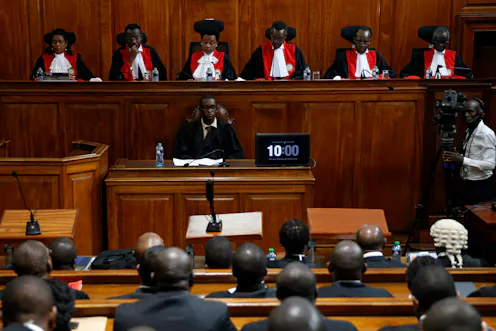
The past 12 months provided further evidence of the danger of democratic backsliding in Africa. But it also saw powerful presidents suffer embarrassing setbacks in a number of countries.
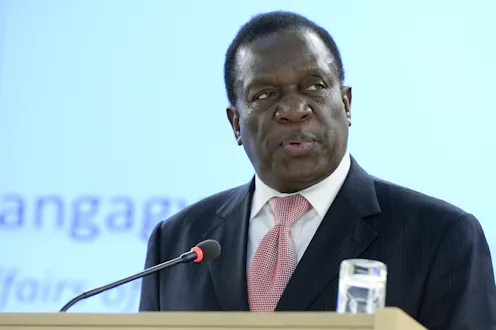
After the fall of autocratic ruler Robert Mugabe, Zimbabwe faces a difficult choice between the stability of a transnational government or a potentially divisive election contest.
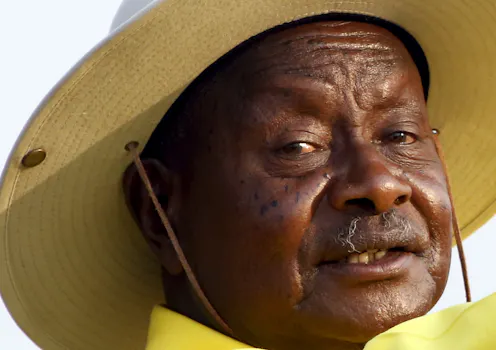
As a young radical in the 1980s, Museveni publicly scorned African rulers who clung to power. Now, after 30 years in office, he is clearly clinging pretty hard himself.
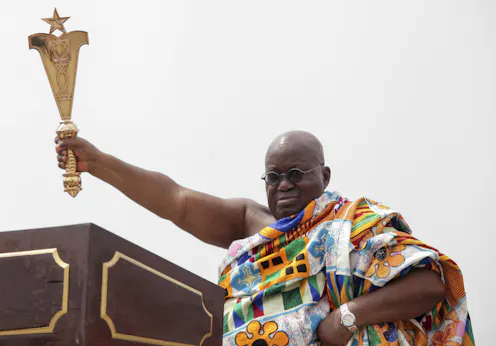
Until African political systems become less majoritarian and do a better job of protecting the rights of minorities, the true benefits of a democratic government are unlikely to be realised.
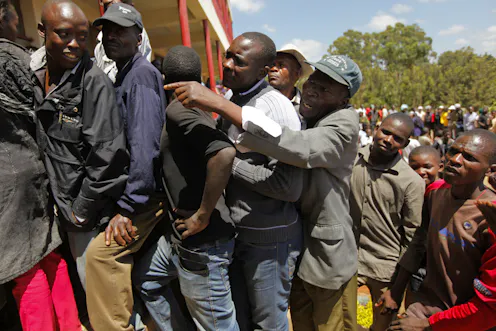
Kenya’s history of electoral problems is interwoven with a political drama which pits one dynasty against another in a rivalry that goes back more than 50 years.
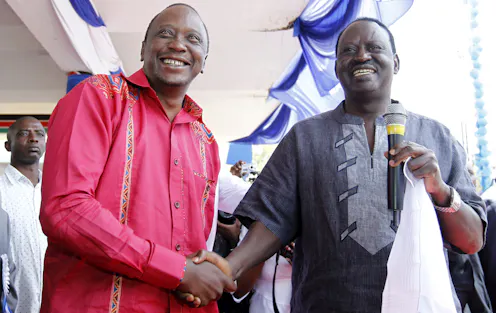
Although some complain that the differences between Kenyatta and Odinga are more rhetorical than real, one thing is clear: Kenyans have a real choice to make at the ballot box.
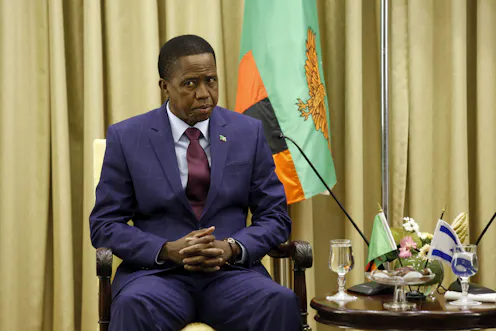
Zambia’s president is securing powers to consolidate his political control while generating ‘plausible deniability’ to whether or not he has fatally undermined democracy.
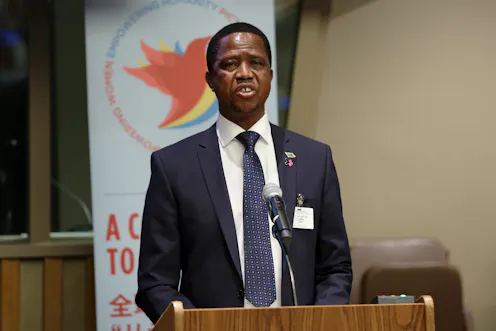
The IMF’s decision to go ahead with a bailout package for Zambia, despite the government’s democratic failings, could embolden the president to pursue an authoritarian strategy.
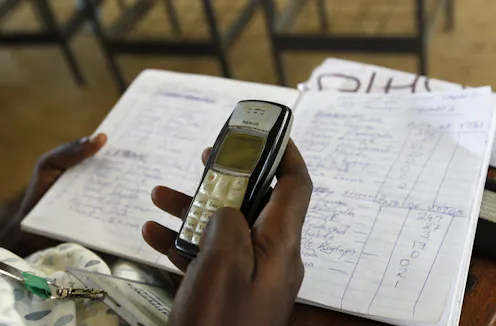
The closer the race between the incumbent Uhuru Kenyatta and Raila Odinga, the more Kenyans will start to worry about election rigging.
As we celebrate Africa Day and reflect on how far the continent has come since the Organisation of African Unity was founded in 1963, it’s a good time to assess whether democracy is working.
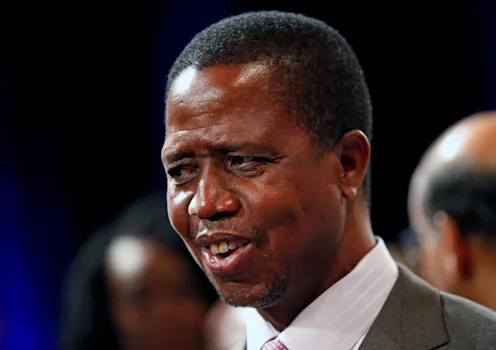
The world’s media, which has in the past found Zambia uninteresting, are suddenly paying more attention to the impoverished nation, for all the wrong reasons.
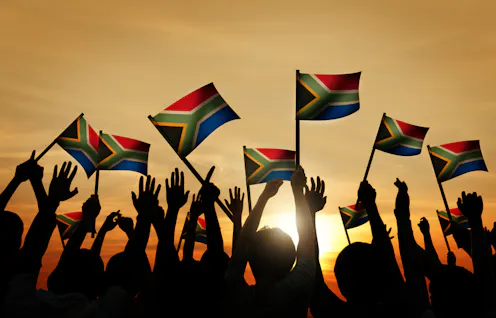
The notion of South African exceptionalism runs deep. Many people in the country believe that in some cases they are superior to the rest of the continent.
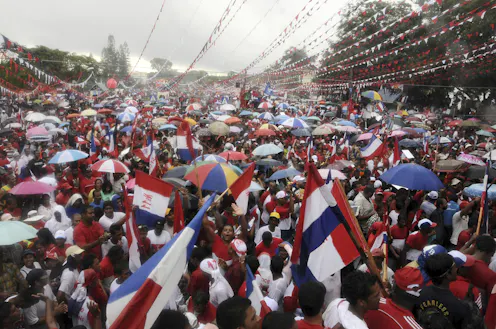
History tells us that while elements of competition and inclusion strengthen multiparty systems, too much of either can be fatal to the process of democratisation.
Contact Nic for
- General
- Media request
- Speaking request
- Consulting / Advising
- Research collaboration
- Research supervision
