
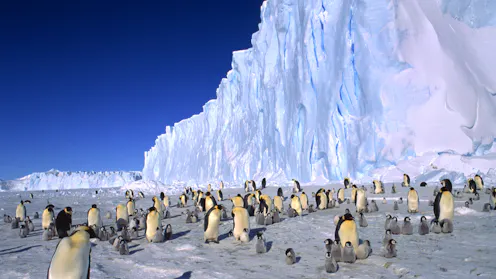
The vast ice of Antarctica has long seemed impregnable. But sudden changes are arriving – from shrinking sea ice to melting ice sheets and slowing ocean currents.
- Chief Scientist, Australian Antarctic Division and Professor of Climate Science, Australian National University
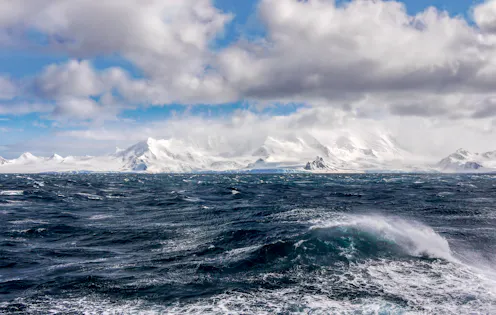
Howling winds take sea salt from the Southern Ocean and lay it down in Antarctica as snow, then ice. Hidden in these ice cores is a warning about Australian fire seasons.
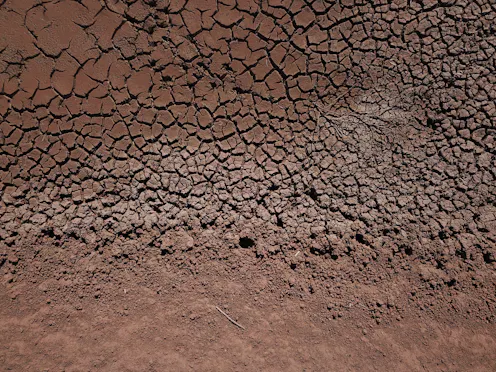
Natural variability in Australian rainfall can produce “mega-droughts” lasting 20 years or more. Add in human-caused climate change, and future droughts may be far worse than imagined.
As the world waits with bated breath for the release of the latest UN climate report, let’s take a fresh look at the IPCC. What can we expect from the Synthesis Report on Monday evening?
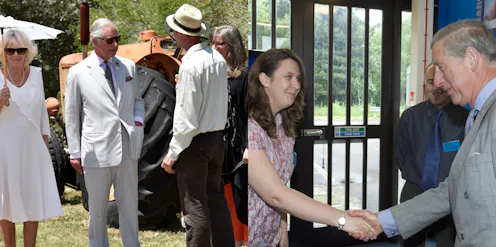
As Prince of Wales, Charles regularly met scientists to learn more about environmental research. Two Australian researchers recall encounters with the new monarch that left an impression.
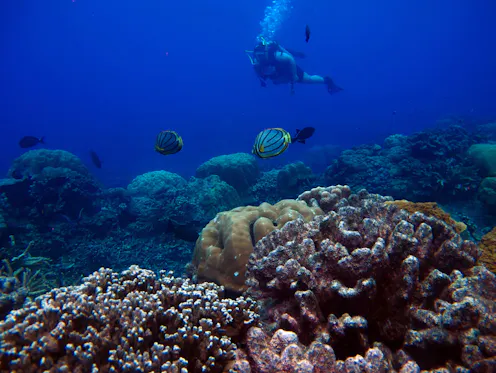
I implore the Labor Party to govern like every decision, and every year, matters. Because it really, really does.
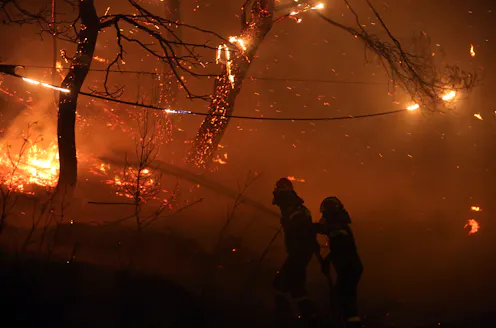
Academic research can shed light on crucial questions about what life on Earth will be like under the most plausible emissions scenarios. And a warning: the answers are confronting.

The IPCC report has laid out some alarming sea level projections for the future. But the relationship between sea level rise and real-world risk is complex.

An article in the eminent US magazine Science has triggered debate over whether scientists should use climate models. Here’s what you should know about climate models ahead of today’s IPCC report.
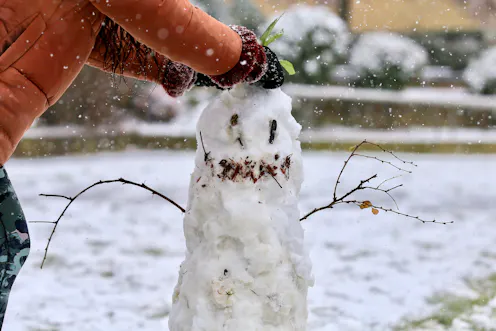
One cold winter doesn’t negate more than a century of global warming. We need the political leadership to set the world on a safer path. Ill-informed tweets by government senators won’t help.
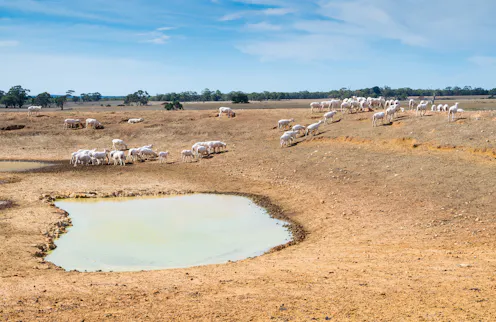
Future extremes from the Indian Ocean will be acting on top of global warming, giving a double whammy effect, like the record-breaking heat and drought we saw in 2019.
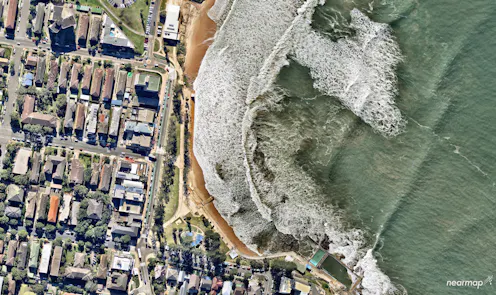
The IPCC report says extreme sea level events that used to hit once a century will occur once a year in many places by 2050. This situation is inevitable, even if emissions are dramatically curbed.
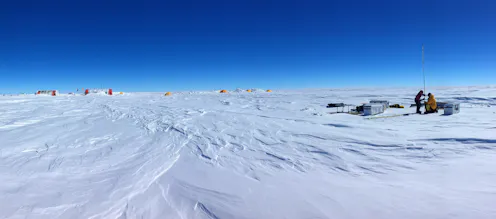
Some 58 metres of sea level rise is locked up in Antartica’s ice sheets, and it’s melting faster than expected.
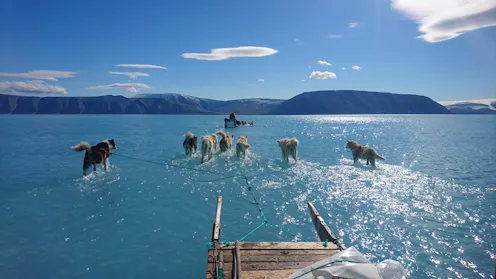
Greenland’s ice made headlines in June, as warm weather made for unseasonably widespread melting. And though this summer is still unfolding, the human fingerprint on Greenland’s ice can’t be denied.
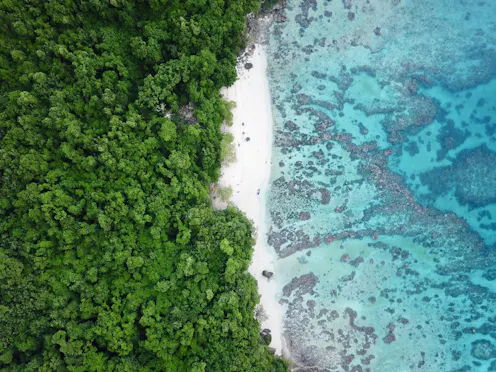
El Niño events can affect millions of people around the world, causing drought in Australia and floods in the Americas.
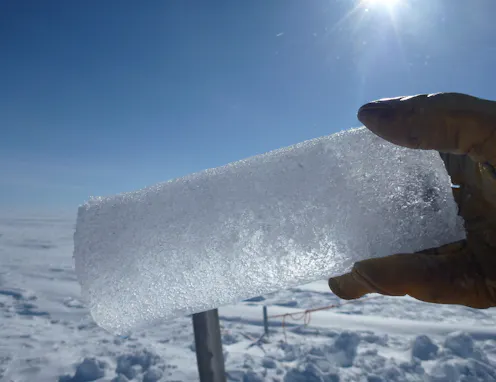
The current rise in atmospheric carbon dioxide levels is unprecedented in the past 800,000 years. As our video explains, ice cores track human changes to the atmosphere that are far beyond natural.

During a Q&A discussion about climate change, Tasmanian Senator Jacqui Lambie said it was four degrees hotter 110,000 years ago. Is that right?
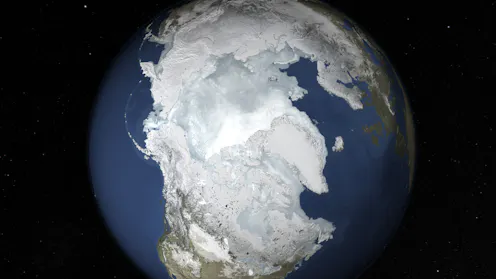
There is no doubt that 2016 has been a record-breaking year for the Earth’s climate.
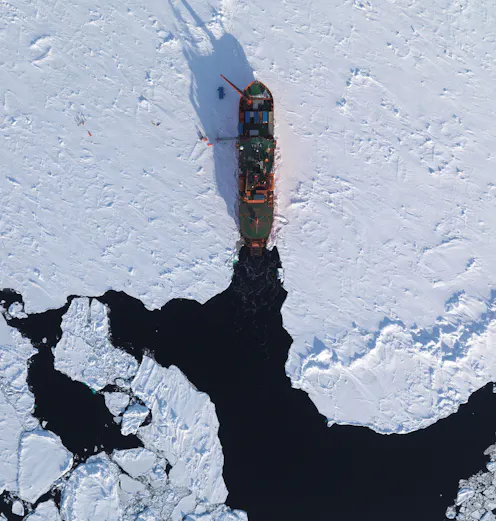
After record-breaking amounts of sea ice in Antartica, this year we’re seeing record lows.
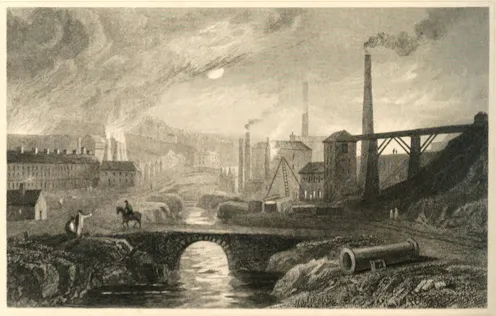
The first signs that humans were warming the climate appeared much earlier in the northern hemisphere - way back in the 1830s. But now the trend is emerging all over the globe.
Contact Nerilie for
- Media request
- Speaking request
- Research collaboration
- Location: Canberra, Australia
- Website
- BlueSky: @climatenerilie.bsky.social
- LinkedIn: nerilie-abram-02b17247
- Article Feed
- ORCID
- Joined
