
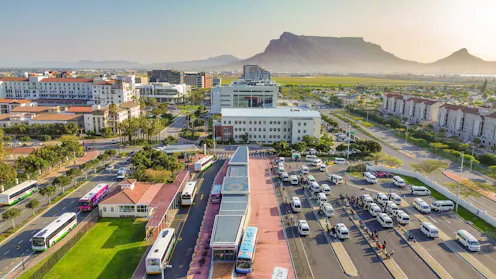
Electric taxis are a long-term climate solution whose immediate value lies in cleaner air, lower operating costs, lower noise and better urban health.
- Professor in Engineering, Stellenbosch University

Research suggests a shift to electric mobility is technically and economically feasible.
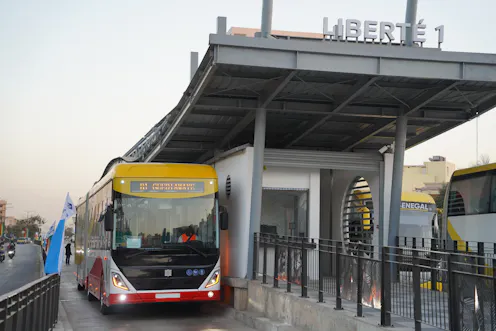
L'Afrique subsaharienne accuse un retard en électromobilité et requiert des investissements en production locale, énergies renouvelables et stockage pour alimenter les stations de recharge.
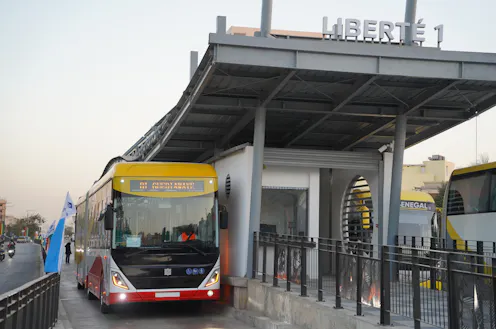
Sub-Saharan Africa is lagging behind in the transition to electric cars and motorbikes. Investment in local manufacturing, renewable energy and storage systems to supply charging stations is needed.

Deciding on the best system isn’t a simple matter. There’s a bewildering array of jargon to sift through and many elements to consider.
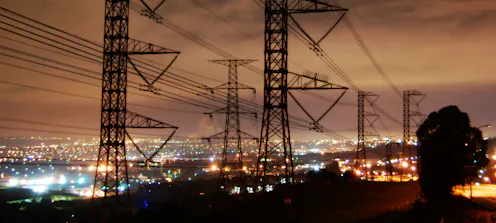
The ins and out of South Africa’s national power grid and why Eskom keeps tripping the switch.

Replacing fluorescent lights with efficient LED alternatives is the single best way to cut schools’ electricity costs.
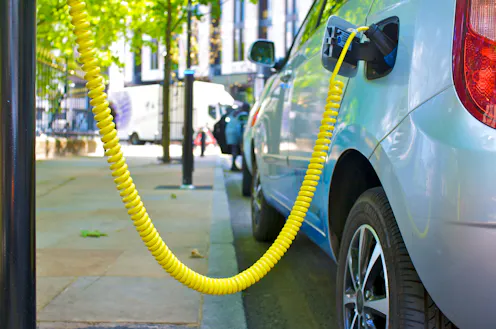
South Africa’s well positioned to adopt electric vehicles but this isn’t a solution in itself because the vehicles would still depend on electricity generated from carbon-emitting coal power stations.
Centrally switching water heaters on and off at specific times can distribute the demand for electricity and lead to energy saving.

Smart meters may help water saving initiatives as the drought persists in South Africa’s Western Cape. It can help those who need achieve saving targets.
Contact MJ for
- Research collaboration
- Location: Stellenbosch, South Africa
- Website
- LinkedIn: mj-booysen
- YouTube: @RechargingHope
- Article Feed
- ORCID
- Joined
