
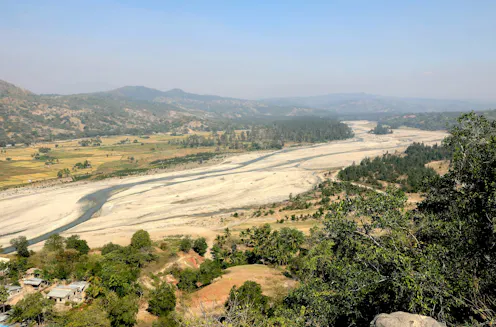
New evidence from Laili rockshelter on Timor hints at a rapid, large-scale human arrival 44,000 years ago.
- Associate Professor and Director, Flinders Microarchaeology Laboratory, Flinders University
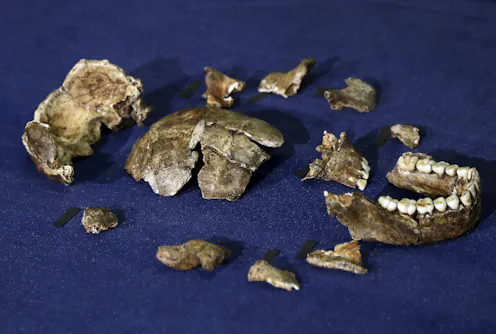
How, when and where did modern humans evolve? Nobody has all the answers, but studying rock and dirt can put the debate on firmer footing.

New evidence from contested Laos cave site shows humans reached Southeast Asia at least 68,000 years ago.

The mysterious Denisovans left DNA traces in populations across Southeast Asia and Australasia, but until now no physical signs of their presence outside Eurasia had been found.
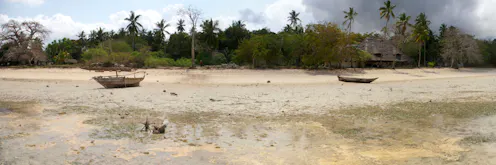
Human waste created the landscape for a medieval Indian Ocean trading port and may eventually have led to its demise.
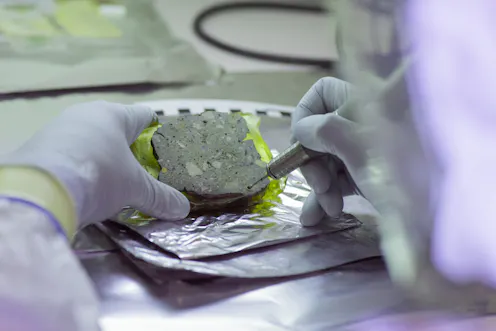
Genetic analysis of intact blocks of sediment from archaeological sites reveals that microscopic fragments of fossil bone and faeces are the main sources of ancient DNA.
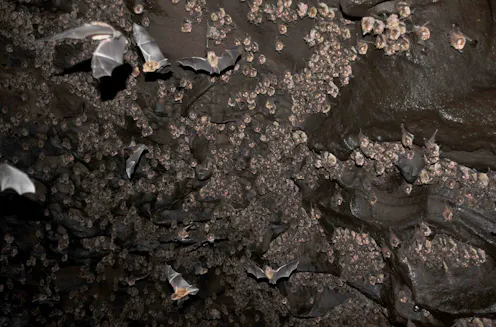
Laboratory experiments with bat poo reveal how archaeological materials in tropical caves have been chemically altered over the millennia.

Denisova Cave in Siberia has a rich fossil history of early humans - and deposits of droppings from hyenas, wolves and even bears, according to a new analysis of the cave’s dirt floor.
Contact Mike for
- General
- Media request
- Speaking request
- Consulting / Advising
- Research collaboration
- Research supervision
- Location: Adelaide, Australia
- Website
- X (formerly Twitter): @MikeGeoarch
- Article Feed
- ORCID
- Joined
