
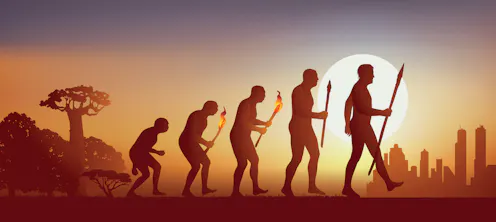
Light helps explains the evolution of our skin colour, why some of us have curly hair, and the size of our eyes. And light still shapes us today.
- Senior Research Scientist, South Australian Museum
- Professor in Evolutionary Biology, Flinders University
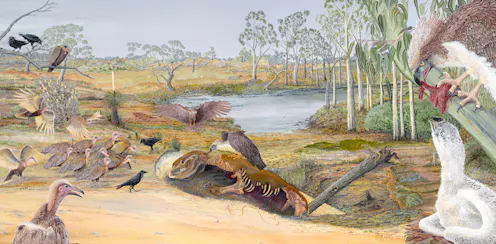
New fossils reveal Australia was once home to a much greater diversity of huge eagles and vultures, which died off alongside ‘giant wombats’ and ‘marsupial lions’.
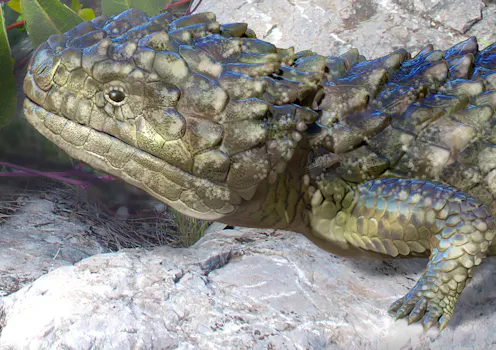
Researchers have found an armoured fossil skink 1,000 times heavier than the ones in your garden. Its closest living relative is the shingleback lizard.
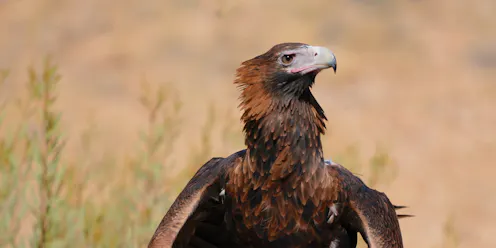
At twice the size of a wedge-tailed eagle, the newly discovered Dynatoaetus gaffae would have competed with thylacines and Tasmanian devils for prey.
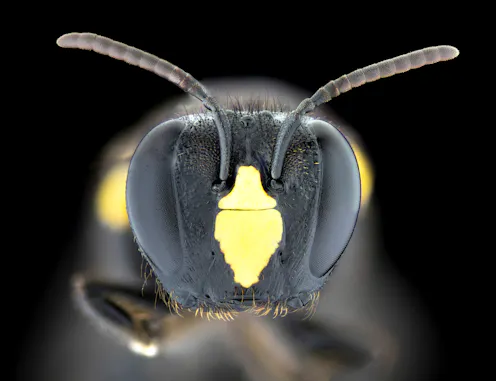
New research provides insights into the evolution and ecology of Australian bees. The capricious masked bee employs female nest guards in a cooperative social structure. Meanwhile, fussy feeders abound.
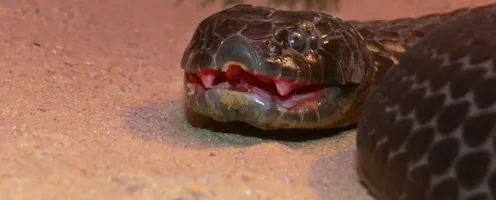
Less than a century ago, a slither of tiger snakes was abandoned on one of Western Australia’s tiny islets. Here’s how they adapted to survive.
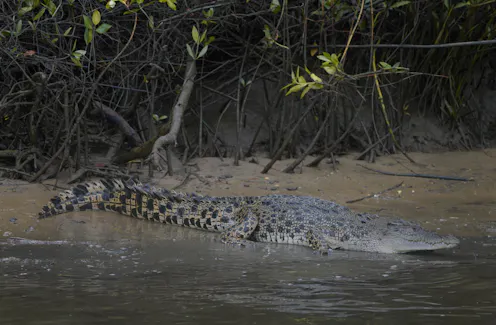
Buaya dapat bertahan hidup tanpa makanan untuk waktu yang lama – bahkan hingga lebih dari satu tahun – karena mereka dapat menghemat energi dengan baik.
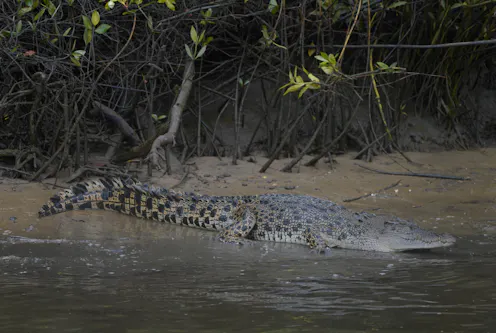
Crocodiles can survive without food for a long time – even up to more than a year – because of how well they can save their energy.
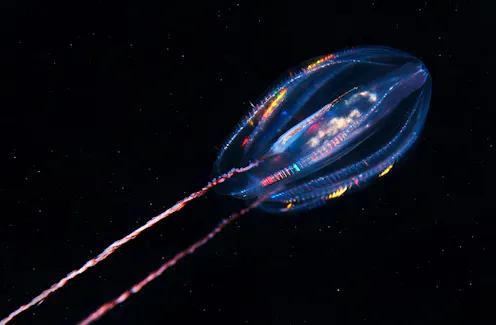
Fossilized comb jellies, or ctenophores, are rare because the creatures are almost completely soft-bodied. Rare fossil finds are helping us learn more about ancient animals and evolution.
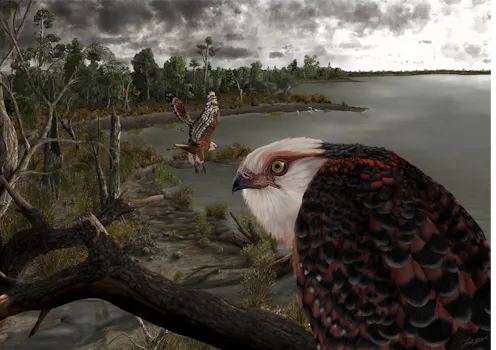
Archaehierax sylvestris, whose remains have been unearthed in the arid South Australian outback, was the apex predator in a lush prehistoric forest filled with marsupials and waterfowl.

Social distancing is vital to curb the spread of the COVID-19 coronavirus. But it doesn’t have to be purely physical - we can separate ourselves in time too, by staggering our daily routines.
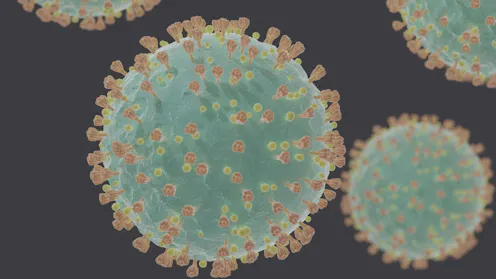
Tidak ada bukti bahwa coronavirus telah bermutasi menjadi lebih mematikan. COVID-19 hampir pasti tidak semematikan yang dilaporkan sebelumnya.
There is no evidence that the coronavirus has evolved into a deadlier strain. It is almost certainly less lethal than initially reported, but that might mean there are more cases than we realised.
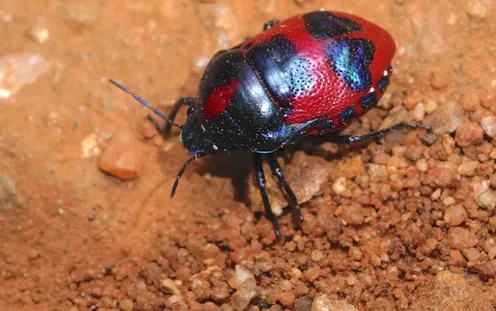
Once you include insects, snails, worms and other small creatures, it’s clear the fires could cause one of the biggest extinction events of the modern era.
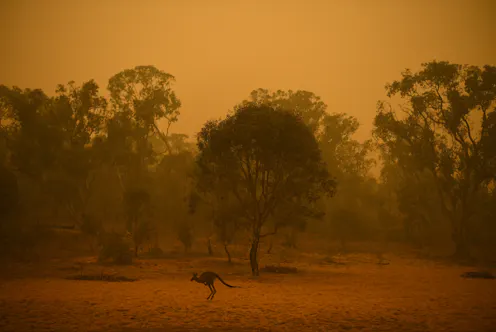
The asteroid that wiped out the dinosaurs sparked global firestorms. On land, only creatures that could evade fire survived
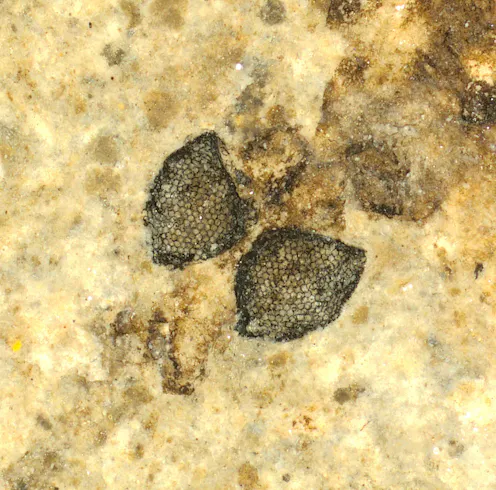
Fossil flies from what is now Denmark reveal some striking similarities between insect eyes 54 million years ago, and our own vision today.
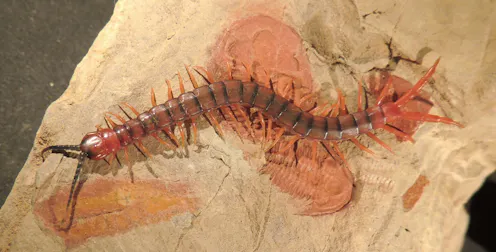
Modern animals took over our planet much more quickly than previously thought. This has both welcome and disturbing implications for the future of life on our rapidly changing planet
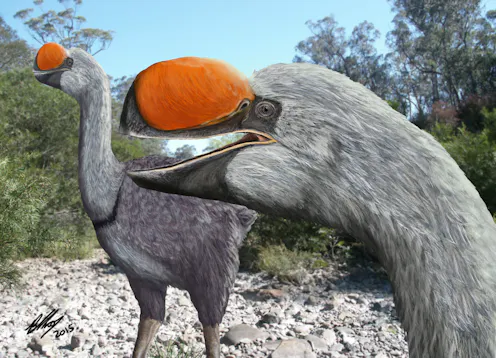
Australia was once home to giant fightless birds - much bigger than today’s emus and cassawories. But where did they come from, and where did they go?
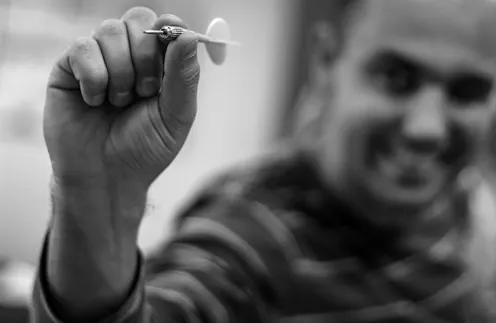
The decisions we make in life often come down to Bayes’ Theorem, but most of us don’t even realise what it is. So how does it work?
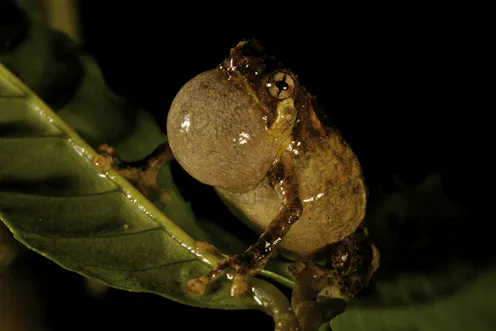
Tiny frogs that have spread across New Guinea’s isolated mountains could face an uncertain future if a warming climate pushes them higher up the peaks.
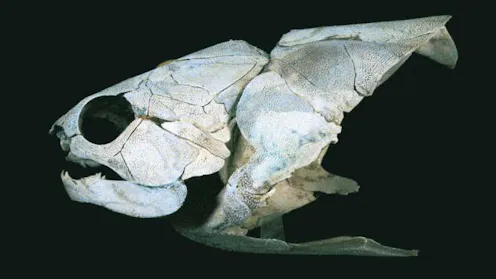
Scientists have long believed that our distant cousins are the placoderms, and ancient group of armoured fish. But a new study is casting doubt on that view.
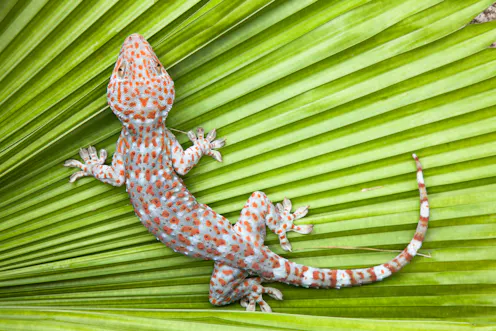
La Terre est couverte d’espèces variées, des plus grandes aux plus petites. Mais nous pensons maintenant qu’il pourrait y avoir dix fois plus d’espèces que l’on pensait à l’origine.
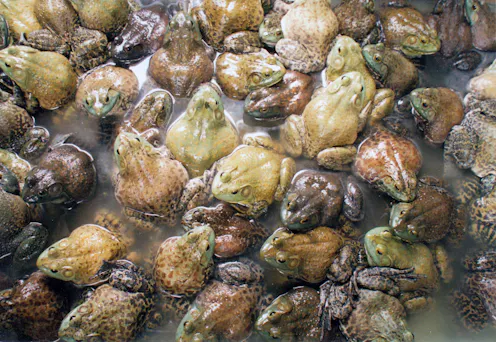
The Earth is full of many varied species from the largest mammals to the tiniest organisms. But we now think there could be ten times more species than was originally thought.
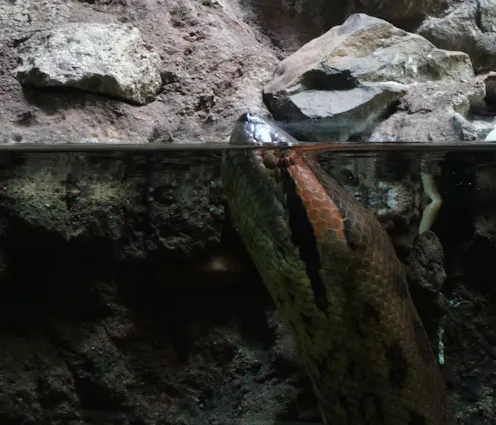
One of the enduring controversies in evolution is why snakes evolved their long, limbless bodies. A new study suggests snakes may have lost their legs at sea, before crawling ashore.
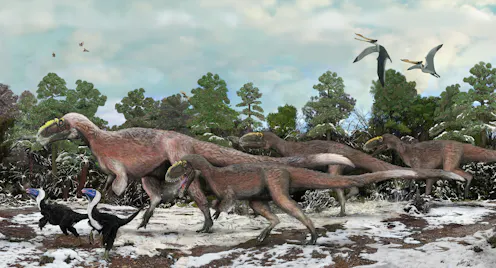
While a week can be a long time in politics, palaeontology typically moves more sedately, in keeping with its subject matter (the slow progression of the aeons). But one area of fossil research is seeing…
Contact Mike for
- General
- Media request
- Speaking request
- Consulting / Advising
- Research collaboration
- Research supervision
- Location: Adelaide, Australia
- Website
- Instagram: https://www.instagram.com/michael_s_y_lee/
- X (formerly Twitter): @michael_s_y_lee
- Article Feed
- Joined

