

The idea of government-run grocery stores is gaining traction in Canada and the United States. But evidence suggests the costs would be steep and the benefits poorly targeted.
- Professor, Food Economics, University of Guelph

Rising oil and fertilizer costs linked to Middle East tensions could affect food prices, but the effects will vary across products and may take time to fully emerge.

The new Grocery Code sets guidelines for retailers and suppliers, introduces a formal dispute resolution mechanism and may indirectly benefit consumers.
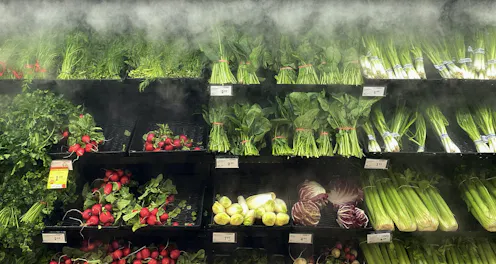
Bien que le taux d’inflation soit descendu à son niveau le plus bas en deux ans, les prix des aliments restent élevés, en raison d’une série de facteurs peu contrôlables.

Many Canadians are puzzled by food prices remaining high despite the Bank of Canada’s efforts to curb inflation. If interest rate policies aren’t bringing food prices down, then what will?

As the cost of living continues to rise, the amount Canadians are being asked to tip is also increasing due to a phenomenon known as tip inflation.

The emission reduction targets outlined for Canadian fertilizer use will not lead to food shortages and food insecurity.

Rising food prices are not an easy fix and we shouldn’t be pretending otherwise.
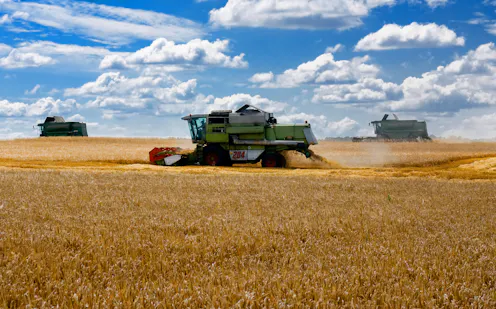
The Russian invasion of Ukraine will have global impacts far beyond the region directly involved in the fighting. Food prices will increase, and the effects will be felt by the most vulnerable.

Technological advancements in food production have created new ways to meet the growing demand for protein. Canada’s investment in this industry may create jobs and reduce carbon emissions.

Food delivery apps charge significant fees for orders, meaning restaurants already challenged by the pandemic can be squeezed into negative margins to access customers. Will cutting fees help?
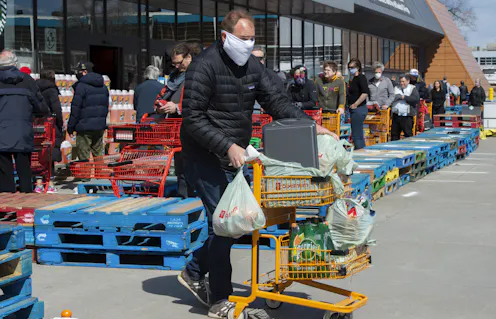
Canada’s food system has bent but not broken in the face of unprecedented demand during the COVID-19 pandemic. We will continue to have enough food available.

Dairy proteins may be the next product to be mass produced in labs, for use in fluid “milk” production and processed dairy products like yogurt and cheese.

Il y a des changements évidents dans la consommation de viande. Mais elle n'est pas alimentée par une augmentation du véganisme et du végétarisme.

There are clearly changes happening in meat consumption. But it’s not being fuelled by an increase in veganism and vegetarianism.
The six food trends likely to be front and centre in 2019.
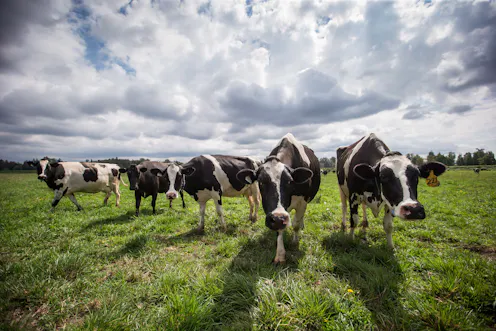
Canada and the United States are back at the table to try to save NAFTA negotiations. Two key issues need to be resolved.
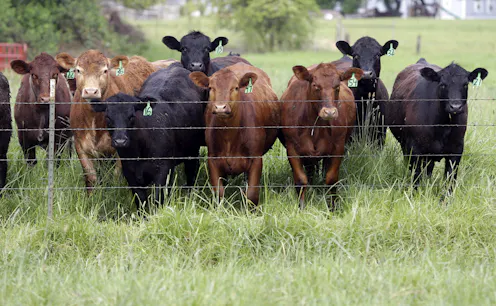
The use of antibiotics in raising livestock is complex. We could be moving towards a less-than-ideal result due to poor understanding, over-simplistic messaging and a rush for competitive advantage.

Restaurants are playing an increasingly influential role in how we live. We not only patronize them more often, they also influence our choices at the grocery store.

Canadians are increasingly looking to alternatives to meat to get their protein. Pulses like lentils and chickpeas are becoming more popular. Will insects find a way onto our plates too?
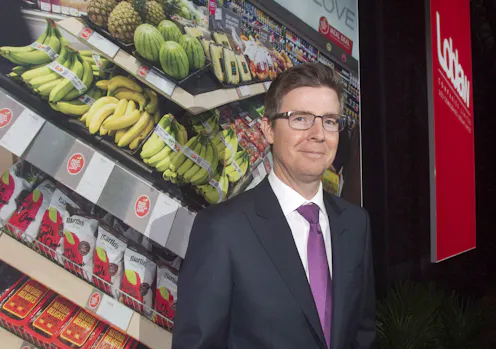
Loblaws’ reputation has taken a hit following the bread price-fixing scandal. But will it do prolonged damage to Canada’s biggest grocery chain?

Canada’s craft beer industry is exploding. But antiquated regulations stemming from the years of the temperance movement is preventing big acquisitions by larger brewers.
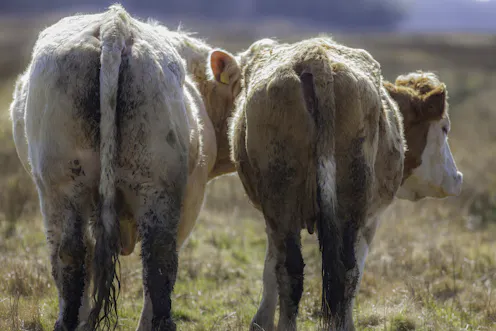
A tax on beef isn’t likely to achieve the intended outcome of reducing greenhouse gas emissions. Instead, it could create a spate of unintended consequences.

Minimum wages increases in jurisdictions across North America could have a big impact on the restaurant industry. Here’s how restaurants are trying to adapt.
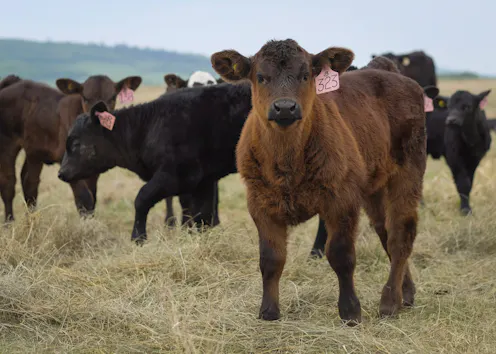
Canadians are increasingly invested in their food – where it comes from, how it’s produced, and whether it’s healthy. Here are some predicted food trends for 2018.
Contact Michael for
- General
- Media request
- Speaking request
- Consulting / Advising
- Research collaboration
- Research supervision
