
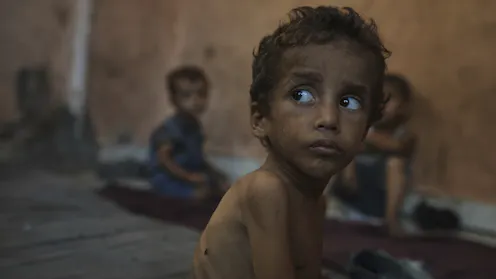
By August,15.8% of children aged under five were suffering from acute malnutrition.
- Associate Principal Research Fellow, Burnet Institute
The Centers for Disease Control and Prevention is a key institution when it comes to public health in the US, but it’s also instrumental in global health.
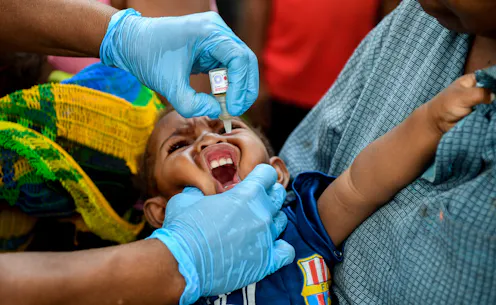
Recent cases of polio in PNG have concerned health authorities. Here’s what to know.
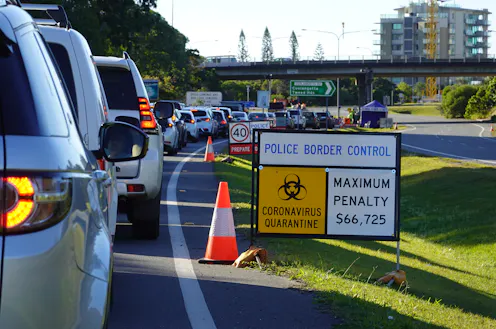
From the vaccine rollout, to hotel quarantine, to understanding the science of the virus, a range of experts look back at how Australia fared.
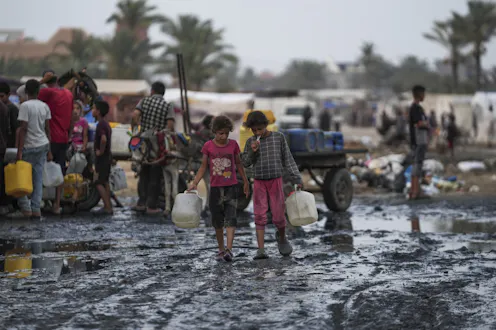
No cases of paralysis caused by poliovirus have been reported in Gaza. But the detection of the virus in wastewater is still cause for concern.
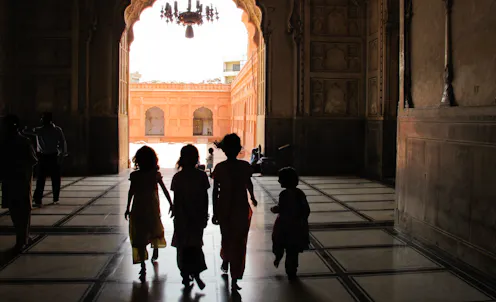
Food prices remain high in both urban and rural areas of Pakistan and achieving food security will remain a challenge for many families.

Australia seems to be focusing on boosters for people aged 75 and over, with its latest recommendations. But that may change.
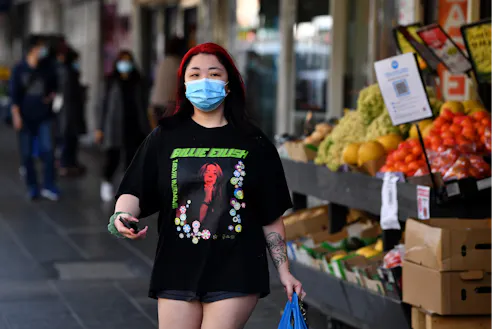
As much as we don’t want it to be, as much as it is off the front pages, COVID is still very much with us. We can end this pandemic, if we choose to.

China have been overestimated or deaths have been underestimated. Whatever the case, China’s massive COVID surge and expected Lunar New Year travel could raise risks for other countries.
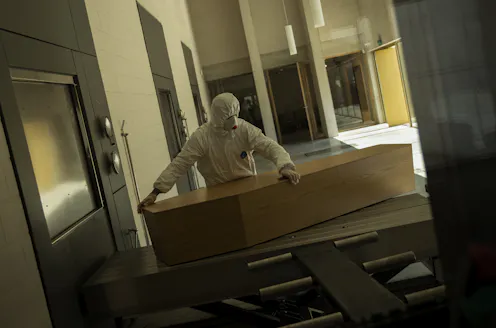
So far in 2022, more than 12,000 Australians have died with COVID, six times the number of deaths in the previous two years.
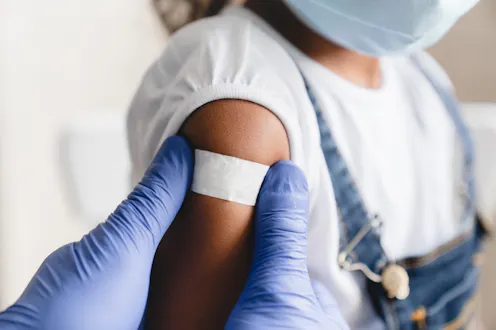
Polio cases in the US, UK and Israel remind us that this could also happen in Australia. Here’s what we should watch out for.
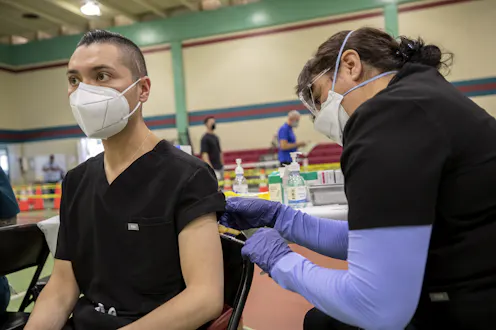
As monkeypox vaccination programs roll out and health authorities work to reduce the spread of the virus, progress is lagging on renaming it.

In the first two years of the pandemic, Australia’s COVID elimination strategy was among the most effective in the world. Now we rank second in the world for the most cases per capita.

Today should not be seen as ‘freedom day’. But it is the first step towards a time when the pandemic won’t dominate our daily lives.
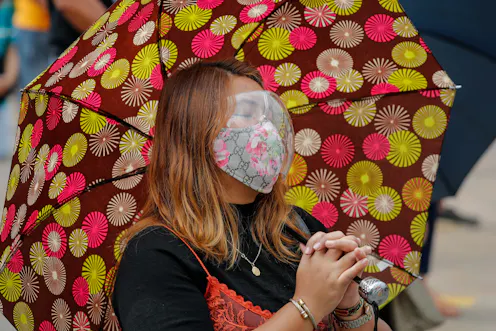
The Philippines has reported 34,000 deaths in the pandemic. It’s now in its fourth wave and with vaccination levels at just 14%, case numbers continue to soar.
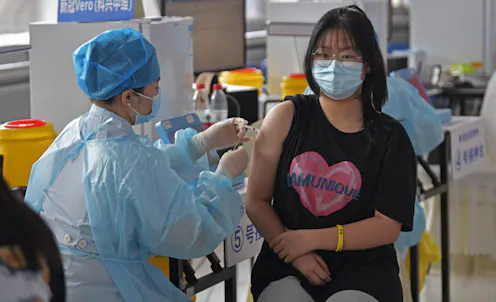
Since late July, China has faced its biggest challenge since the first wave in Wuhan.

It may take until the end of the year to get case numbers close to zero, unless more stringent measures are introduced.
The Delta variant is now accounting for the majority of COVID infections in many counties around the world.
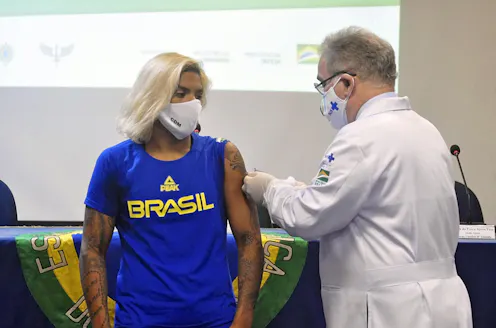
Japan is going through its fourth wave, testing rates are low and case numbers are climbing. Now athletes aren’t happy with the IOC’s plans to protect them.
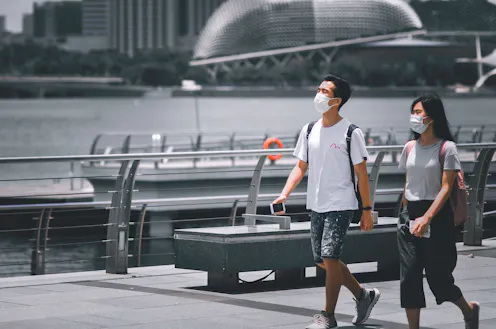
The first few months of 2020 were critical to the World Health Organization’s response to COVID-19. But the latest report into what happened wasn’t all damning.

Airborne transmission is likely to be behind several recent leaks in hotel quarantine. But the Northern Territory has a quarantine model that works.
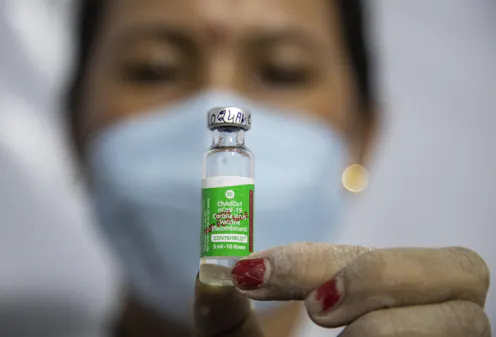
Pfizer and Moderna are expected to make billions in revenue this year. It’s time all vaccine producers share their IP, data and know-how with the rest of the world.
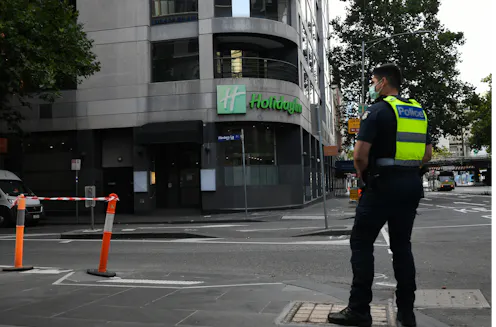
The revamped Victorian hotel quarantine system appears to have addressed the weaknesses of the previous system, particularly around the risk of airborne transmission.

Rolling out vaccines, sticking with public health measures, and keeping misinformation and complacency in check. These are just some of what to expect as the pandemic enters its second year.

Fair global agreements, home-grown vaccines and sharing extra doses with poorer nations are all needed if we’re to ever emerge from this pandemic.
Contact Michael for
- General
- Media request
- Speaking request
- Location: Melbourne, Australia
- Website
- X (formerly Twitter): @profmike
- Article Feed
- Joined
