
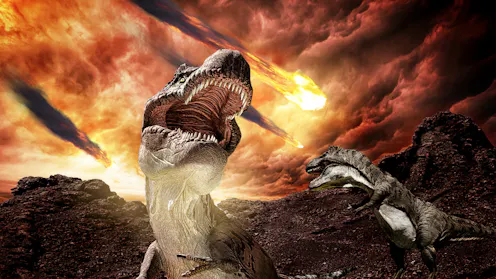
Tsunamis géants, pluies acides, obscurité mondiale, chute brutale des températures : l’impact de l’astéroïde de Chicxulub a transformé la Terre en planète hostile en quelques heures seulement. Voici à quoi aurait ressemblé la fin du Crétacé vécue depuis le sol.
- Professor of Vertebrate Palaeontology, University of Bristol
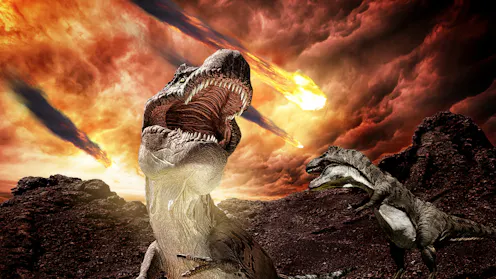
Uma semana após o impacto do asteroide, a vegetação em decomposição, a fumaça e o enxofre transformam o planeta em um lugar infernal e fétido
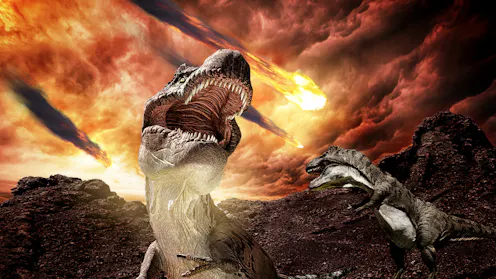
A week after the asteroid impact, rotting vegetation, smoke and sulphur create a stinky planet. Plant and animal survivors succumb to the corrosive acid rain.
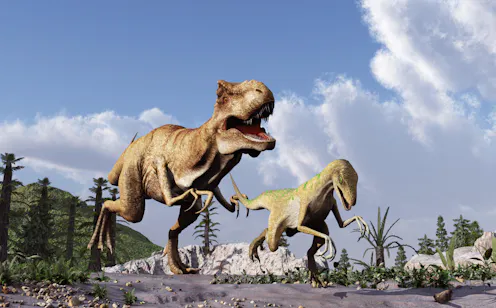
Scientific methods validated from modern life have brought dinosaurs to life in a testable way.
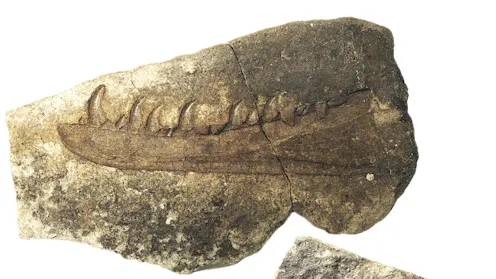
Old fossils can reveal new secrets using modern technology.
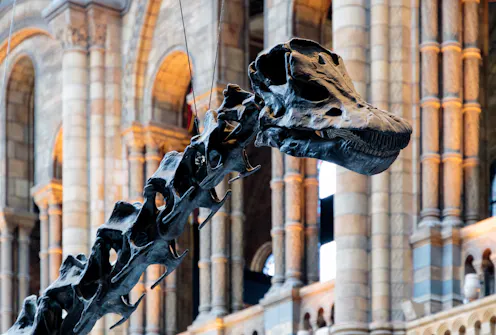
Dippy has been seen up close by more people around the world than any other dinosaur.

Our experts have you covered with recommendations of what to see this summer.
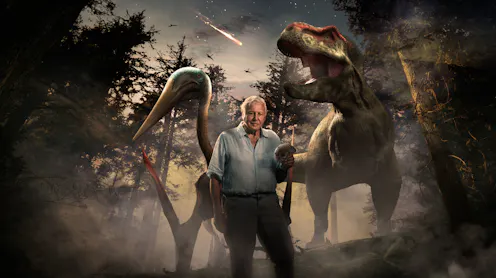
A recent BBC documentary examined fossils thought to have been made when an asteroid wiped out the dinosaurs.
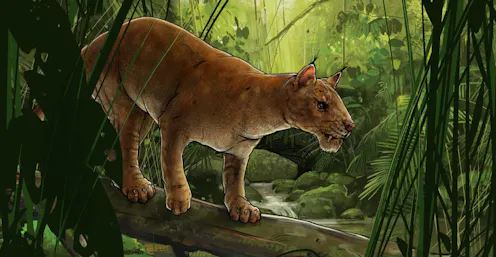
The first sabre-toothed cat-like predator was not much larger than a bobcat, but it had long teeth and a strong jaw to cut through thick skin.
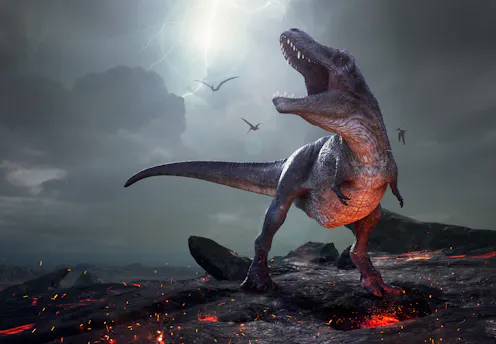
A recent study provides additional evidence that the dinosaurs died in June.
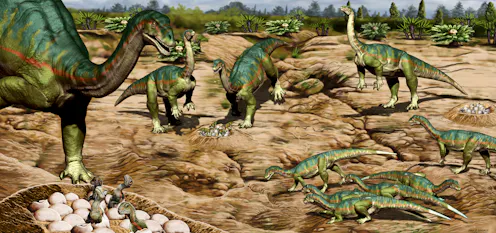
The complex social behaviour in early dinosaurs observed in a new study lines up with other fossil evidence that dinosaurs were more bird-like than crocodilian-like.
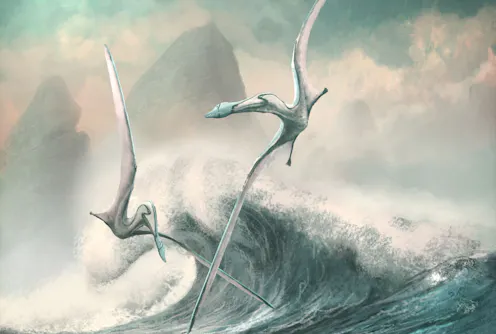
Fossils reveal that dinosaurs’ flying cousins become twice as efficient at flying over 150 million years.
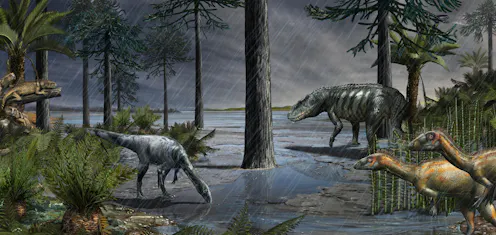
Our new research has discovered how a series of volcanic eruptions 233 million years ago fundamentally changed life on Earth.
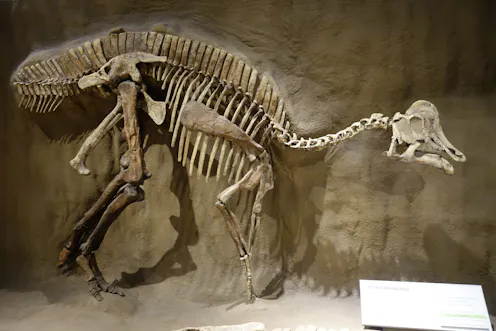
Scientists claim to have found DNA in fossilised dinosaur cartilage.
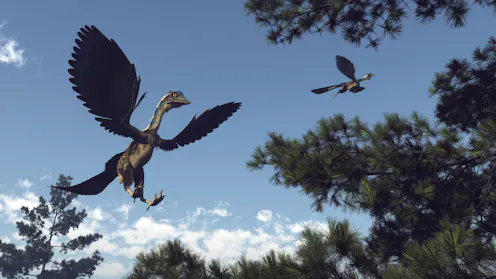
New research shows how dinosaurs suppressed their teeth and grew beaks, and then back-shifted this process from adult to embryo stage.
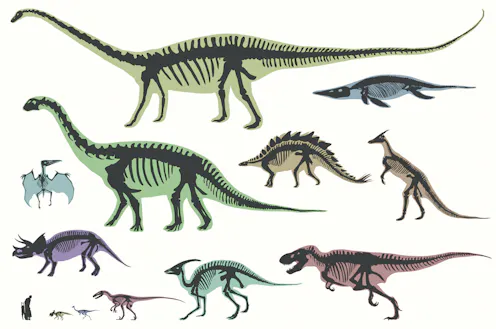
A new fossil study challenges 130 years of thinking about how dinosaurs evolved.
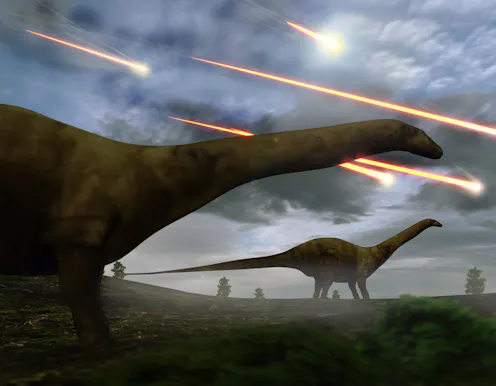
Their days were numbered for quite some time …
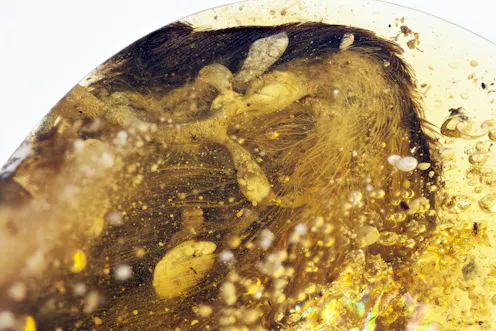
For the first time, feathers, bone and skin of the earliest birds have been found, trapped in amber.
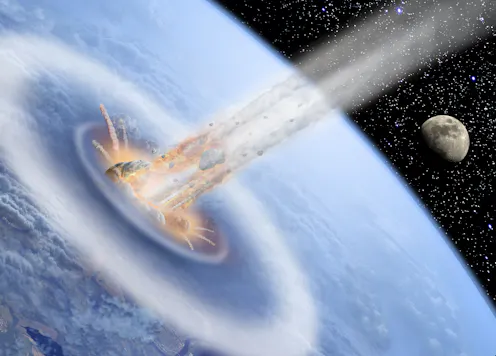
The idea that the dinosaurs were wiped out by a giant asteroid was ridiculed – until the remains of a giant crater were found deep underground.
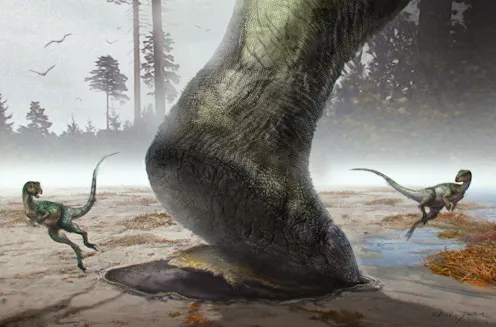
New research reveals the case for swimming dinosaurs isn’t as clear cut as once thought.
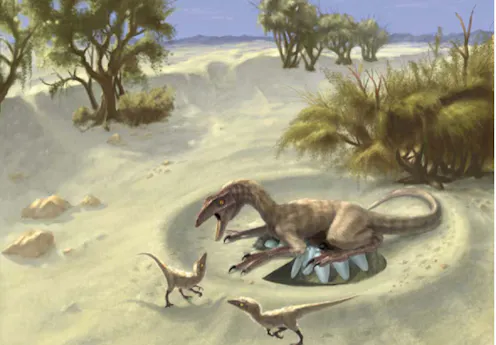
Scientists have come up with a way to tell how hot dinosaurs were by studying the remains of their eggs.
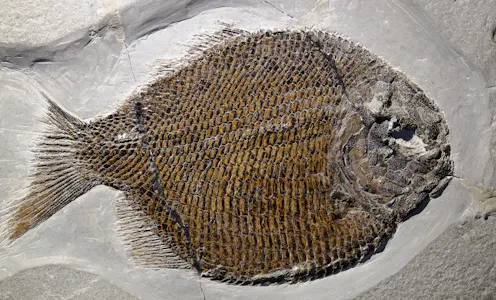
The feeding habits of an unusual 200-million-year-old fish have been tested in a ground-breaking study published in Palaeontology. This research is particularly notable as it wasn’t carried out by a leading…
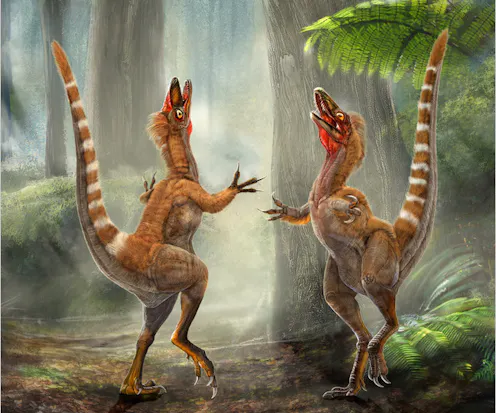
A series of fossil discoveries in the 1990s changed our understanding of the lives of early birds and mammals, as well as the dinosaurs they shared an ecosystem with. All those discoveries had one thing…
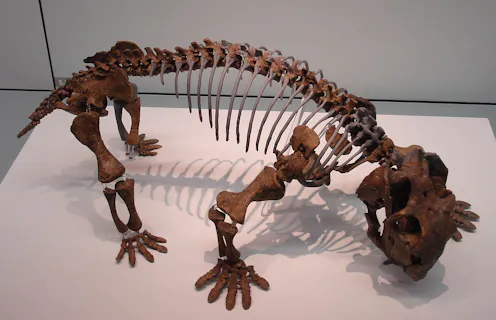
There are more than 5,000 species of mammals alive today and most people would argue that they are some of the most successful animals on Earth. But our research, published today, suggests that some mammals…
Contact Michael for
- General
- Media request
- Speaking request
- Consulting / Advising
- Research collaboration
- Research supervision
- Location: Bristol, UK
- Website
- Facebook: michael.benton123
- Article Feed
- ORCID
- Joined
