

The claim that national security can justify territorial acquisition marks a sharp break from the principles the US championed after World War II.
- Professor of Philosophy, Public Policy and Governance, University of Washington
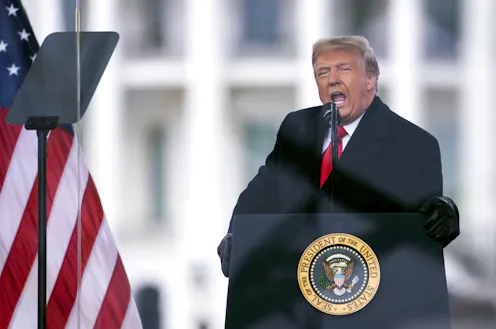
Presidential immunity can bring with it many risks. So how can we think about the nature and limits of such immunity?
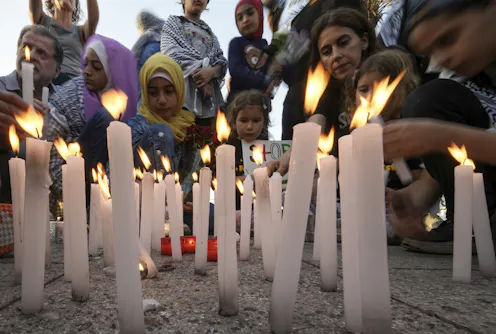
Why has the ICC indictment of Israeli and Hamas leaders drawn so much fire? Understanding the notion of moral equivalence might help explain why.
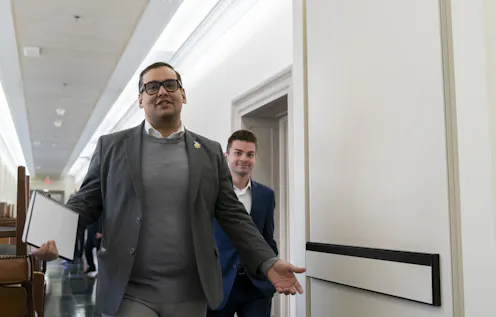
A political philosopher writes that voters may put up with some degree of deception from politicians, but they may not accept being lied to unnecessarily.
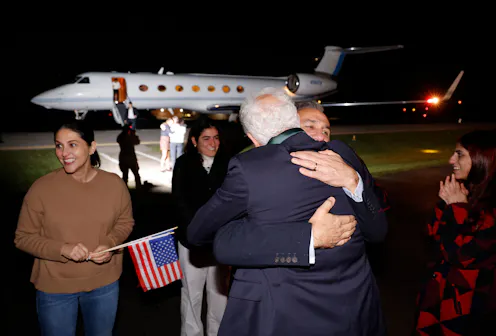
States sometimes choose to pay for the release of their citizens held hostage abroad – but there could be profound, long-term costs involved.
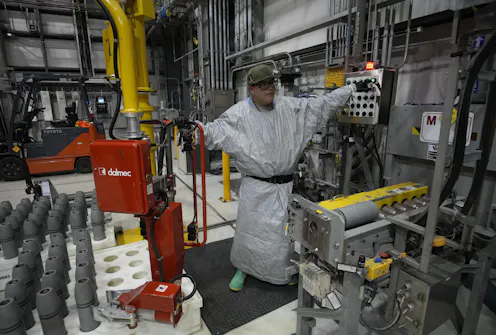
When it comes to chemical weapons, American condemnation, even if hypocritical, is still valuable.
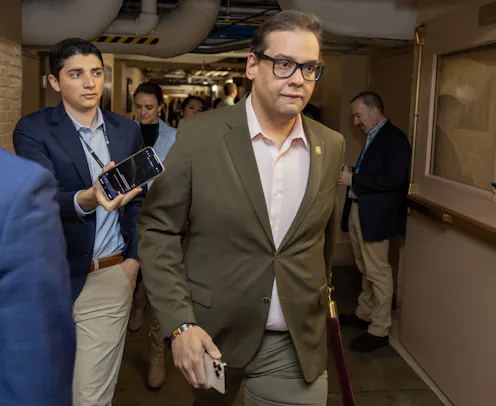
George Santos has admitted to having said some stupid things. But his lying became the subject of a federal probe that has resulted in criminal charges.
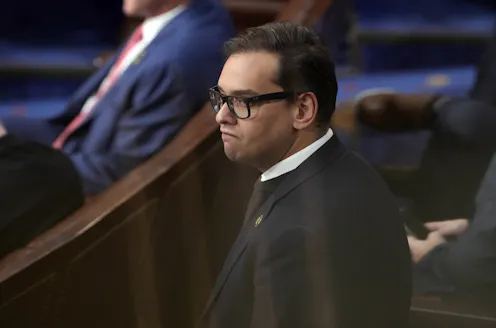
Constituents’ willingness to overlook deception may depend, in part, on whether politicians lie well and with a good purpose.
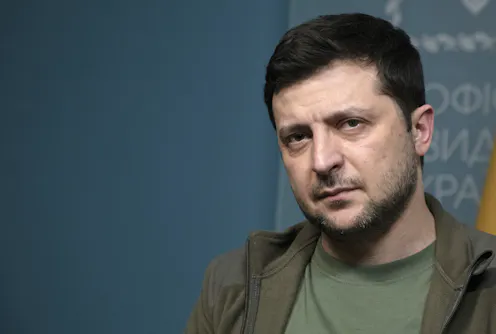
A political philosopher explains the moral symbolism ascribed to Zelenskyy’s ‘heroism’ and why he offers hope to those who hold democracy dear.
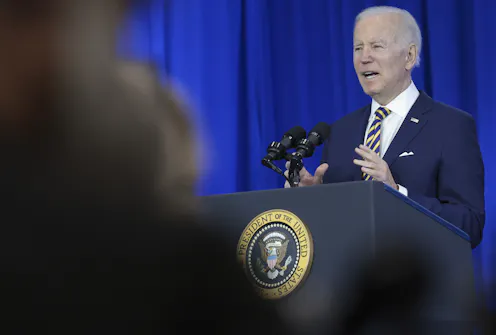
A political philosopher argues that while all American presidents may lie, those who appear to lie for the public good are often celebrated.
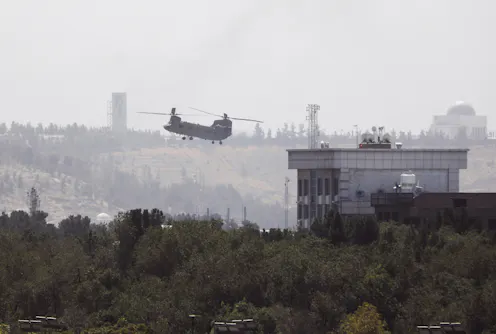
Los expertos de Afganistán ofrecen información sobre los talibanes y explican el papel de Estados Unidos en el colapso de Afganistán.
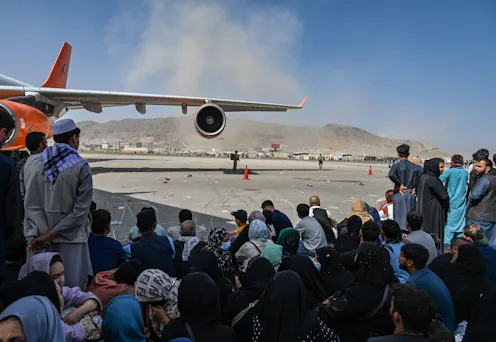
A political philosopher argues why the current situation in Afghanistan should weigh heavily on the American conscience.
The Taliban ‘expect a complete handover of power.’ Experts explain who the Taliban are, what life is like under their rule and how the US may bear responsibility for Afghanistan’s collapse.
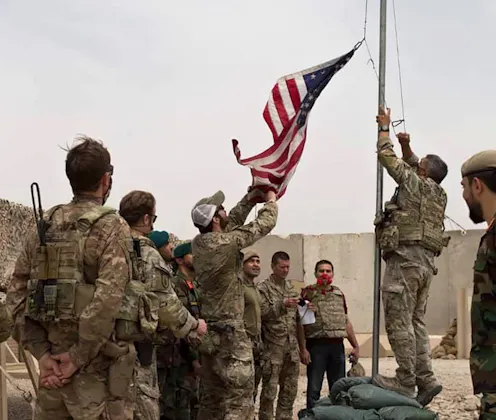
There is much at stake as the US withdraws troops from Afghanistan. A political philosopher explains why the US cannot escape the moral consequences of its actions.
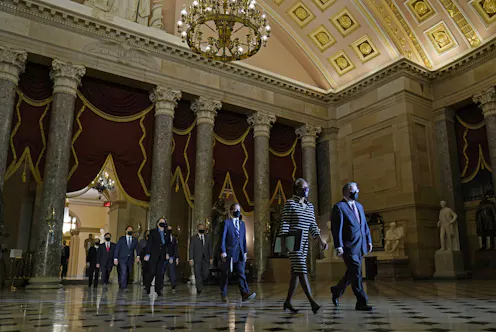
There are a lot of questions about the point of putting on trial someone who is no longer in office.
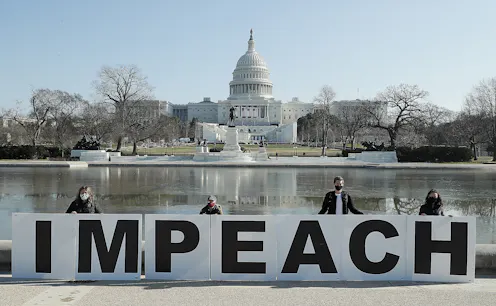
Even though a House majority voted to impeach, President Trump, the process will likely not be finished before he’s left office. A philosopher argues why the impeachment is an important moral action.
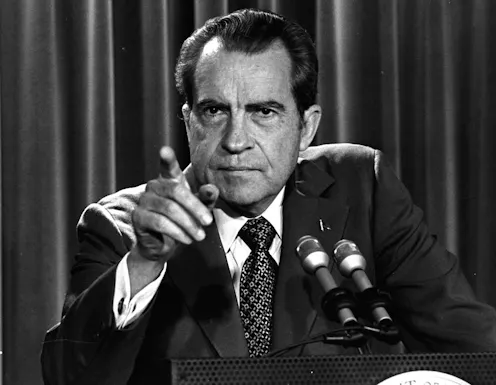
Some presidents have lied for honorable reasons, while for others the lies have been simply self-serving.
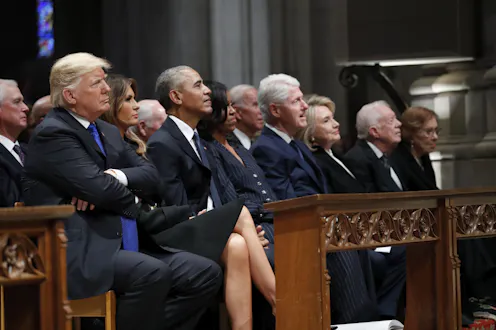
Presidents Day celebrates the American president – not only as a political leader, but as a moral leader. But can a president be a person of strong moral character, as well as a strong leader?
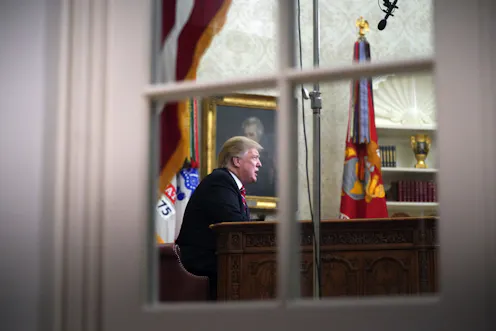
We asked experts on ethics, constitutional law and European political history to analyze Trump’s Oval Office address. Here’s what they heard in his speech about ‘crisis’ at the US-Mexico border.
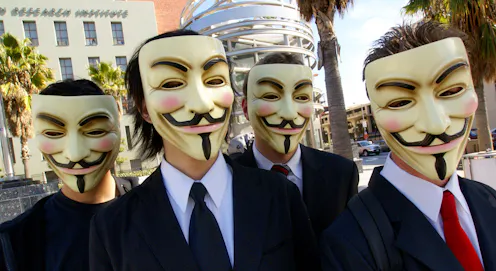
An expert argues why the anonymous op-ed in The New York Times can hardly be considered an act of civil disobedience and why it might make things even worse in the Trump administration.
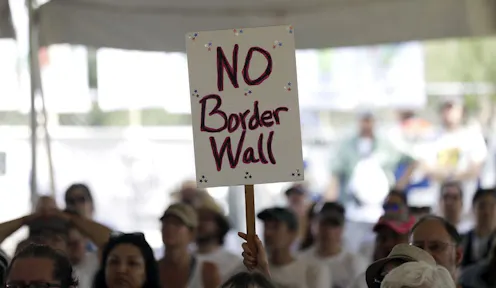
Los conflictos sobre la vigilancia de la frontera han estallado en gran parte del mundo. La respuesta de las personas depende de las diferentes visiones de qué es lo que las fronteras protegen.
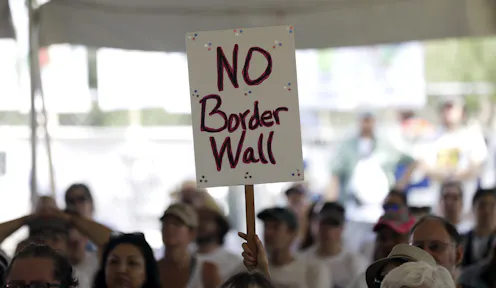
Conflicts about policing the border have erupted in much of the world. How people respond depends on the many distinct visions of what borders are meant to be protecting.
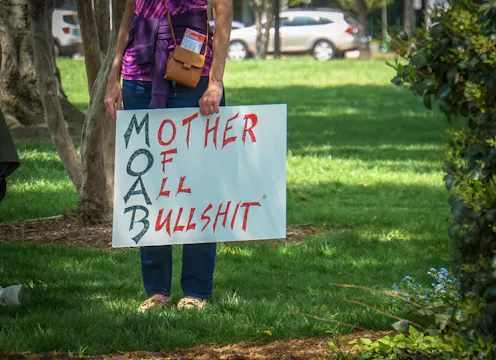
The bullshitter may do even more damage than the liar in politics.
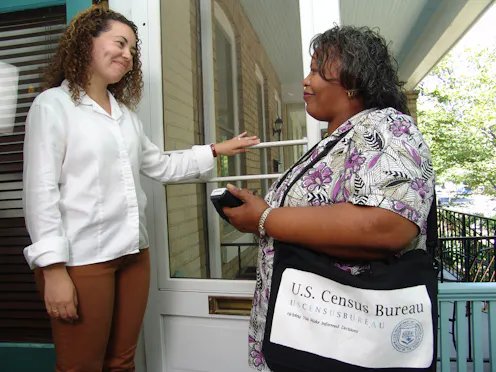
An expert explains why a recent plan to include a question about citizenship in the 2020 census is unjust, both for citizens and noncitizens.
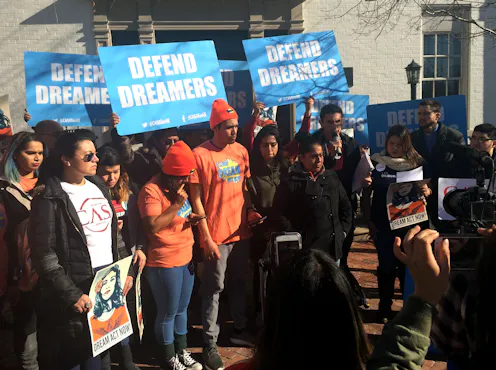
Conservatives on migration claim that allowing the DACA recipients to stay shows disrespect for the law. The moral principles that underlie the American legal system, however, tell a different story.
Contact Michael for
- General
- Media request
- Speaking request
- Consulting / Advising
- Research collaboration
- Research supervision
- Location: Seattle, Washington, U.S.
- Website
- Article Feed
- ORCID
- Joined
