
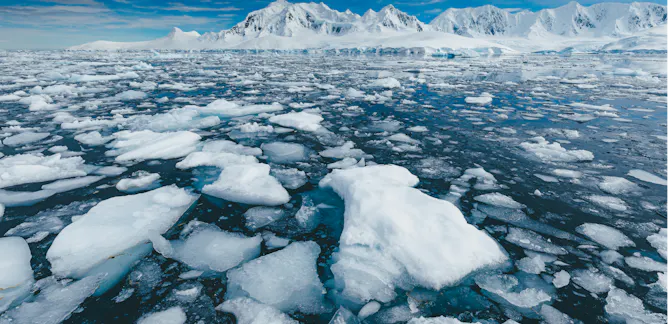
This remarkable seasonal change in Antarctic sea ice is like a heartbeat within our planet’s climate system. We need to better understand it.
University of Washington

Founded in 1861 by a private gift of 10 acres in what is now the heart of downtown Seattle, the UW is one of the oldest public universities on the West Coast.
The UW is a multi-campus university in Seattle, Tacoma and Bothell, as well as a world-class academic medical center.
We have 16 colleges and schools and offer 1,800 undergraduate courses each quarter. We confer more than 12,000 bachelor’s, master’s, doctoral and professional degrees annually.
Links
Articles
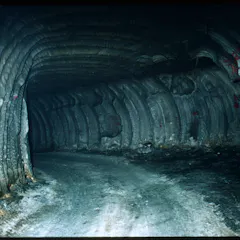
Geologist Scott Montgomery tells The Conversation Weekly podcast how strategic oil reserves work and why the U.S. keeps oil in underground salt caverns.

For sheer abundance and ease of production of oil and natural gas, it simply doesn’t get any better than the Persian Gulf region.
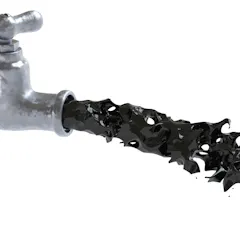
Nations’ stores of petroleum can dampen price shocks in the short term, but as reserve supplies dwindle, economic pain may continue.

Many cities are considering involuntary substance use treatment as a solution to drug use among the homeless. But research doesn’t support this strategy.
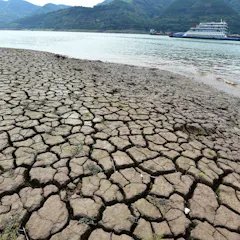
Rivers support billions of people but are among the least protected parts of nature. A major review shows what needs to be done as climate change accelerates.

L’histoire nous rappelle que les affrontements de rue entre les communistes allemands et les nazis dans les années 1930 ont profité aux seconds.
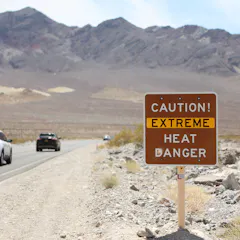
Climate change is making people sicker and more vulnerable to disease, doctors and scientists explain. Erasing the federal endangerment finding increases the risk.
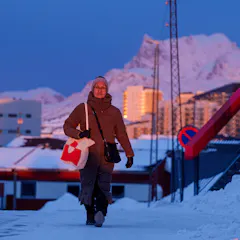
The claim that national security can justify territorial acquisition marks a sharp break from the principles the US championed after World War II.
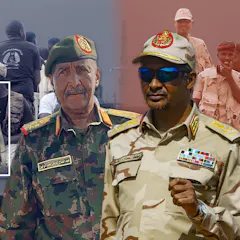
Since fighting broke out in April 2023, some 150,000 people have been killed in Sudan and an estimated 13.5 million displaced.

AI tutors are often held up as an ideal, but prioritizing individualized teaching can detract from the benefits of learning in social environments.

Entre 2003 e 2022, nuvens sobre o Atlântico Norte e o Pacífico Nordeste tornaram-se menos refletivas, permitindo que mais luz solar atingisse o oceano e aumentando a temperatura da superfície do mar.
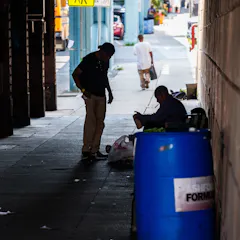
Supportive housing combines subsidies with wraparound social services to help people stay off the streets. But demand far outstrips supply in Philadelphia.

Between 2003 and 2022, clouds over the North Atlantic and Northeast Pacific became less reflective, allowing more sunlight to reach the ocean surface and causing sea surface temperatures to rise.
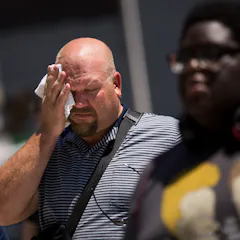
From extreme heat to mosquito-borne illnesses, climate change is making people sicker and more vulnerable to disease. Health scientists explain what individuals and governments can do about it.

Under-resourced schools are less likely to support teachers in implementing AI technology to best serve learning.

Security crackdowns may miss the root cause of radicalization.

Chaos at the CDC and the sharp move away from mRNA vaccines has public health experts alarmed.
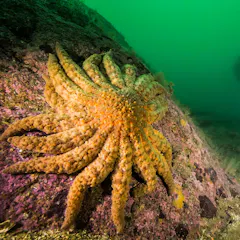
Sea stars are vital to ocean ecosystems; however, a pathogen has been killing them in large numbers, rendering some species critically endangered.

After Sinclair won the California Democratic primary in 1934, business and media elites helped derail his bid for the governorship.
Authors
-

PhD Student in Human Centered Design & Engineering, University of Washington
-
PhD Candidate in International Studies, University of Washington
-
Physicist, University of Washington
-
Associate Professor of History, University of Washington
-
Professor of Microbiology, School of Medicine, University of Washington
-
Professor Emeritus of Environmental and Occupational Health Sciences, University of Washington
-
Professor of Aquatic and Fishery Sciences, University of Washington
-
Professor Information School and Adjunct Associate Professor, College of Education, University of Washington
-
Senior Research Scientist, Marine Cloud Brightening Research Program, University of Washington
-
Professor of History, University of Washington
-
Professor of Philosophy, Public Policy and Governance, University of Washington
-
Associate Professor of Learning Sciences & Human Development, University of Washington
-
Assistant Professor of Information, University of Washington
-
Lecturer in International Studies, University of Washington
-
Professor of Psychiatry and Behavioral Sciences, University of Washington