
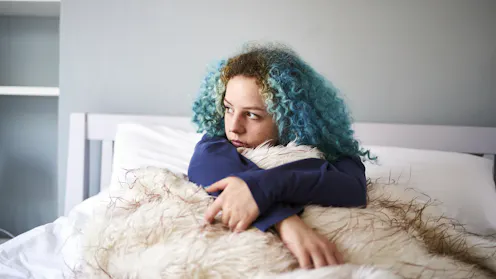
There’s been a rise of shingles cases among adults aged 25–49. Why aren’t they eligible for a free vaccine?
- Professor of Infectious Diseases and Global Health, University of Sydney
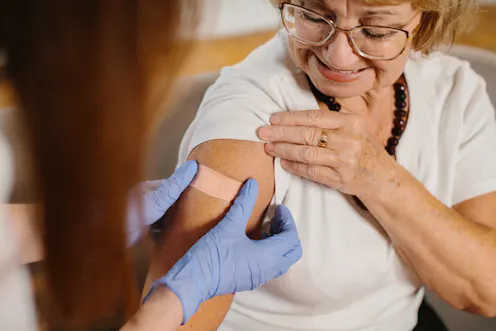
It depends how old you are and if you have an underlying health condition.
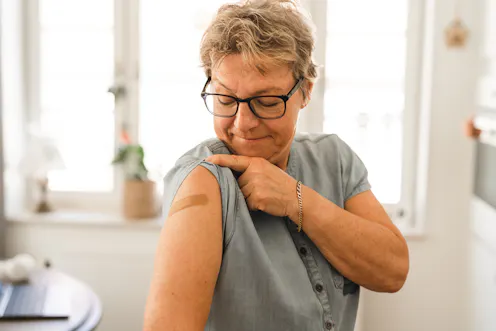
There has already been a lot of flu this year but the flu season is unlikely to peak until late winter.
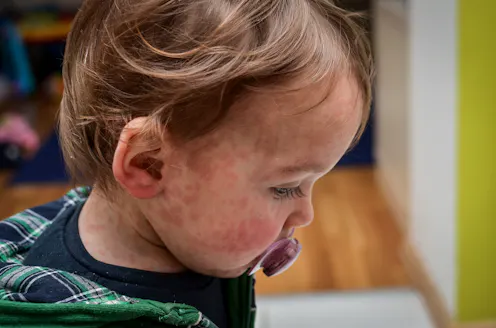
Vaccination is key to protecting against measles – but the question of when exactly is best to give the vaccine is not black and white.
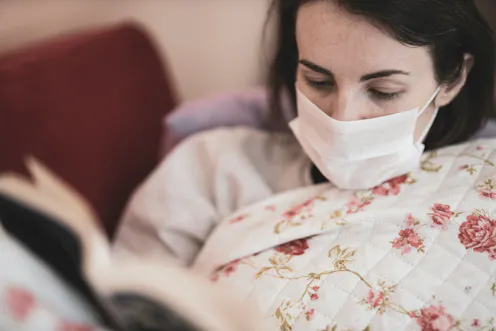
Most people who get COVID today will experience only a mild illness. But some are still at risk of severe illness. Here’s what the virus looks like 5 years on.
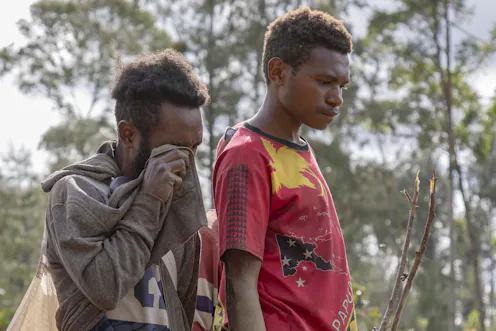
Many people who survived the catastrophic landslide in PNG are likely to be facing serious injuries and illness, with warnings of a significant risk of disease outbreaks in the country.
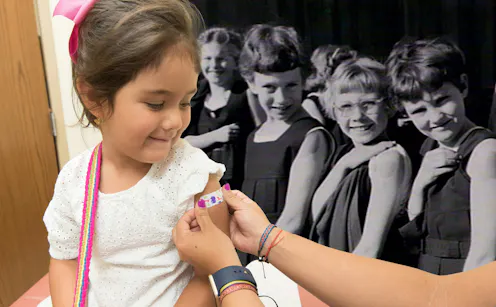
The chance of living one more year is up to 44% more likely thanks to the past 50 years of vaccines, according to new research. But global drops in vaccine coverage pose a risk.
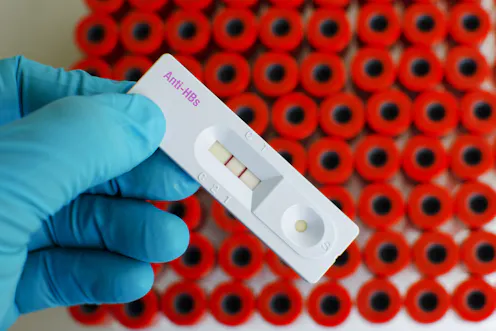
HBV cases in Nigeria point to a potential liver disease crisis. Prevention and care efforts are needed.
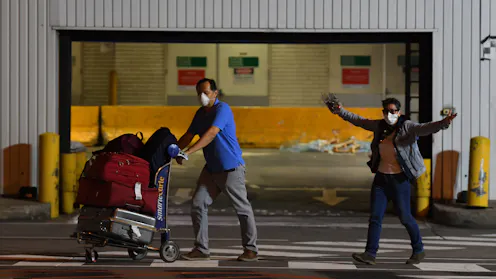
As we begin to emerge from restrictions, there are many things the federal government could do to improve the conditions for those stranded, and speed up their return home.

Just like your memory, which improves by repeated viewing or listening with a break in between, our immune memory improves with repeated exposure.
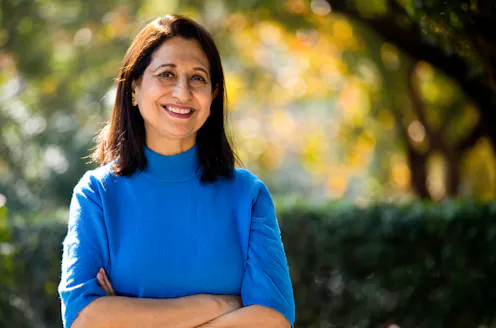
The AstraZeneca COVID vaccine is now available to Australians over 50. Here’s what you need to know before you roll up your sleeve.
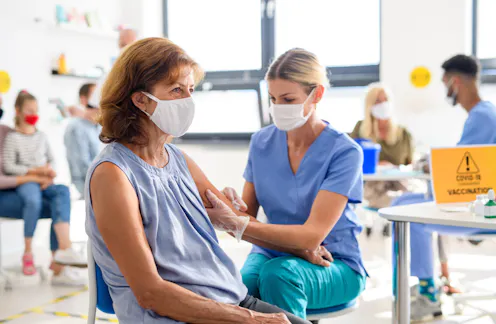
Even if you’re vaccinated, you still need to come forward for COVID testing, even if you have the mildest symptoms.
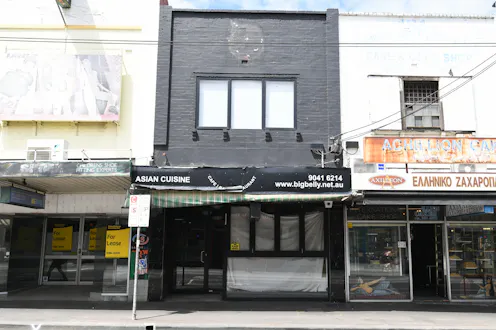
During the current COVID outbreak in Melbourne, the state government has been listing exposure sites as tier 1, tier 2, or tier 3. So what’s the difference between each level, and why does it matter?
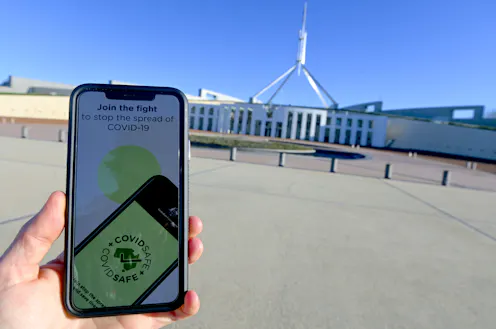
A proposed fix to help the COVIDSafe app work on Apple phones may come with costs to public health and accountability.
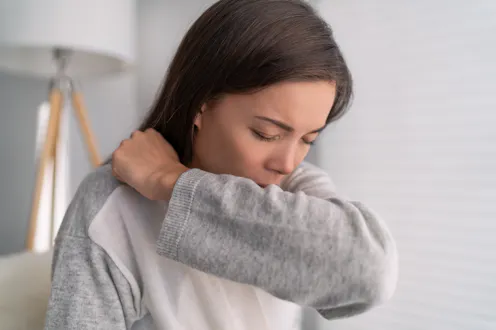
A recent study suggested the coronavirus could spread up to four metres. But the evidence isn’t strong enough to suggest we should change social distancing advice from 1.5 metres.

Most people with coronavirus will recover but how long until you’re no longer infectious? Here’s what the science tells us so far.

International outbreaks of the almost-forgotten disease diphtheria and pockets of low immunisation coverage put Australians at risk of catching the disease.
Contact Meru for
- General
- Media request
- Speaking request
- Consulting / Advising
- Research collaboration
- Research supervision
